 EN

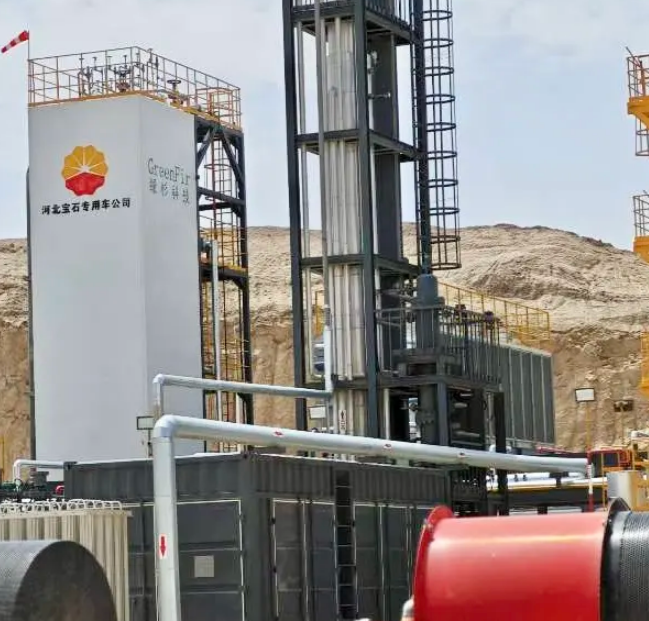
The Stakes in LNG Process Safety
LNG plants operate at the intersection of extreme conditions: cryogenic temperatures, high pressures, and flammable hydrocarbons. The combination creates hazards that demand serious attention. A leak of LNG at -162°C can cause brittle fracture of nearby carbon steel equipment. A vapor cloud from an LNG spill can ignite and explode with devastating force. The industry has learned these lessons the hard way.
Process safety in LNG plants isn't about compliance checklists. It's about designing systems that fail safely, operating them within defined limits, and maintaining the barriers that prevent loss of containment. The goal is not zero risk—that's unrealistic—but risk that is understood, managed, and reduced to as low as reasonably practicable.
The Hazard Landscape in LNG Operations
LNG facilities face a distinct set of process safety hazards. The cryogenic nature of LNG means that any release creates a cold zone where ordinary materials become brittle and fail. The flammability of natural gas means that any vapor release creates a potential explosion hazard. The combination—a cold, flammable release—creates consequences that can cascade.
The primary hazards include:
Loss of containment from piping, vessels, or storage tanks
Rollover in LNG storage tanks—a rapid mixing event that releases large volumes of vapor
Boil-off gas handling failures that lead to overpressure or venting
Cryogenic spills that damage equipment or injure personnel
Fire and explosion from vapor cloud ignition
Each hazard requires specific safeguards. The challenge is that these safeguards must function reliably under extreme conditions—cold temperatures that affect instrument response, thermal cycling that stresses materials, and operating conditions that change with feed composition and production rates.
Layers of Protection: The Swiss Cheese Model
Process safety in LNG plants follows the Swiss cheese model: multiple layers of protection, each with its own holes, but arranged so that the holes don't line up. No single layer is perfect, but the combination provides defense in depth.
The first layer is inherently safer design. Minimize the inventory of hazardous materials. Use materials compatible with cryogenic service. Design piping systems with sufficient flexibility to accommodate thermal contraction. Locate equipment to minimize the consequences of a potential release.
The second layer is active protection systems. Fire and gas detection that triggers automatic isolation. Emergency shutdown systems that stop the process and isolate sources of fuel. Pressure relief devices that vent overpressure safely. Firewater systems that cool exposed equipment and suppress fires.
The third layer is passive protection. Dikes that contain spills. Blast walls that direct explosions away from occupied buildings. Separation distances that reduce the probability of escalation.
The fourth layer is emergency response. Trained personnel, appropriate equipment, and practiced procedures that minimize consequences when all other layers fail.
The Role of Process Hazard Analysis
Process hazard analysis is the foundation of LNG process safety. The methodology—typically HAZOP (Hazard and Operability Study) or LOPA (Layer of Protection Analysis)—systematically examines the process to identify potential deviations, their causes, and their consequences.
A well-executed HAZOP for an LNG facility typically requires two to three weeks of facilitated sessions with a multidisciplinary team. The output is a list of recommendations: design changes, additional safeguards, or operating procedures that reduce risk to acceptable levels.
The quality of the HAZOP depends on the team's experience and the completeness of the process description. Missing a deviation or underestimating its consequences can leave a hole in the Swiss cheese that no other layer covers.
A Case Study: Storage Tank Overfill Prevention
An LNG storage tank overfill incident at a facility in the Caribbean highlighted the importance of independent protection layers. The tank had a level control system that managed filling operations, a high-level alarm that alerted operators, and a high-high level interlock that closed the inlet valve automatically. During a particularly busy shift, the control system malfunctioned, the alarm was missed, and the interlock failed to close the valve. LNG overflowed through the vent stack, creating a vapor cloud that drifted toward the facility's administration building.
No one was injured, and the vapor cloud did not ignite. But the incident prompted a thorough review of the facility's protection layers. The investigation found that the high-high level interlock had been bypassed for maintenance and not restored. The alarm had been silenced and not re-enabled. The operators were managing multiple alarms and had missed the critical one.
The lesson was not about technology—the technology worked. The lesson was about management of change, alarm management, and the importance of restoring safeguards after maintenance. The facility implemented a stricter lockout-tagout procedure for safety interlocks and revised its alarm management philosophy to prioritize critical alarms.
Standards and Regulatory Frameworks
LNG process safety is governed by multiple standards and regulations. In the United States, OSHA's Process Safety Management (PSM) standard (29 CFR 1910.119) applies to LNG facilities handling more than 10,000 pounds of flammable substances. The EPA's Risk Management Program (RMP) rule (40 CFR Part 68) requires facilities to develop and implement risk management plans.
International standards include NFPA 59A, which provides requirements for the production, storage, and handling of LNG. The standard covers siting, design, construction, and operation of LNG facilities, with detailed requirements for fire protection, leak detection, and emergency shutdown.
These standards establish minimum requirements. Leading operators go beyond them, implementing additional safeguards and more rigorous management systems based on their own risk assessments and operating experience.
The Human Factor in LNG Process Safety
Technology provides the barriers. People maintain them. The human factor is often the weakest link in process safety, not because operators are careless, but because the systems they work with are complex and the consequences of error are severe.
Effective process safety programs address the human factor through:
Rigorous training that goes beyond procedures to build understanding of process hazards
Clear alarm management that prioritizes critical alerts and reduces nuisance alarms
Shift handover practices that ensure critical information is communicated reliably
Management of change procedures that capture modifications before they are implemented
Incident investigation that focuses on system causes, not individual blame
The best technology cannot compensate for poor procedures or inadequate training. Conversely, well-trained operators can manage through equipment failures that would otherwise lead to incidents.
When Safety Systems Become the Problem
Safety systems can introduce their own hazards. An overly sensitive fire detection system that triggers frequent false alarms leads to alarm fatigue—operators stop responding promptly. A poorly designed emergency shutdown system that trips unnecessarily causes process upsets that create new hazards. Safety systems that are bypassed for maintenance and not restored create gaps in protection.
The design of safety systems must balance sensitivity with reliability. False trips are costly and erode operator confidence. Missed trips are dangerous. The optimal design is one that trips only when necessary and provides clear, actionable information when it does.
Greenfir's LNG equipment incorporates multi-layered safety redundancies and is engineered to meet industry standards including ASME code requirements.
Table of Contents
- The Stakes in LNG Process Safety
- The Hazard Landscape in LNG Operations
- Layers of Protection: The Swiss Cheese Model
- The Role of Process Hazard Analysis
- A Case Study: Storage Tank Overfill Prevention
- Standards and Regulatory Frameworks
- The Human Factor in LNG Process Safety
- When Safety Systems Become the Problem