 EN
EN

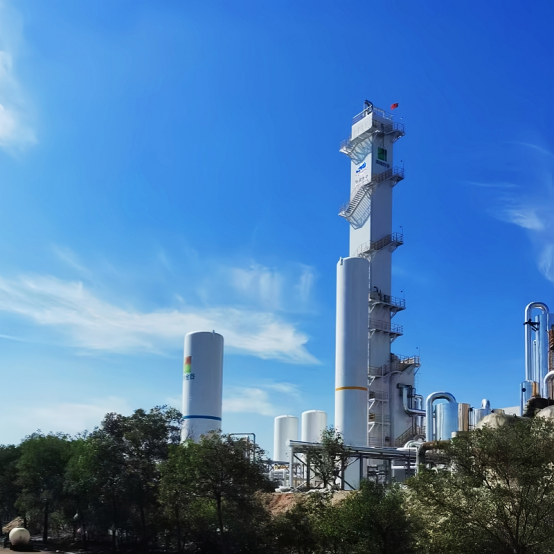
Capital Expenditure Drivers for Air Separation Units
Core Equipment Costs: Cryogenic Columns, Compressors, and Heat Exchangers
The heart of most air separation units lies in their cryogenic distillation columns, which typically eat up around 35 to 45 percent of the total equipment budget because they require special metals that can handle extreme cold. Then there are those centrifugal compressors that push things along at high pressure levels these account for roughly 25 to 30 percent of costs. We've seen prices jump recently thanks to problems getting hold of nickel alloys, something that's made each compressor cost about $1.2 million on average last year alone. Heat exchangers come next in line, taking another 15 to 20 percent from project funds. While brazed aluminum versions do work better for making liquids out of gases, they end up costing about 18 percent more than regular stainless steel options when all is said and done. And let's not forget maintenance either. Keeping these super cold systems running properly means dealing with really tight alignment specs at temperatures below minus 300 degrees Fahrenheit, which naturally drives down lifetime savings over time.
EPC Contract Scope, Risk Allocation, and Project Delivery Model Impact
The way engineering, procurement, and construction (EPC) frameworks are set up really affects how much money gets spent on capital. When companies go for lump sum turnkey contracts instead of reimbursable ones, they usually end up paying around 15 to 20 percent extra. But this does help protect owners from taking on too much risk themselves. Projects where schedules are tight often come with these liquidated damage clauses, which means businesses need to keep bigger contingency funds just in case things run late. That kind of thing can bump up those reserves by roughly 12 to 18 percent. Some organizations opt for split packaging when buying equipment because it helps them avoid getting stuck with one supplier forever. However, there's always going to be more work involved integrating all those different parts together properly. And let's not forget about what's happening in global supply chains right now. All this uncertainty has led to broader force majeure coverage being included in contracts these days, pushing contract prices up between 5 and 7 percent for items that absolutely must arrive on time.
Site-Specific Variables: Terrain, Utility Access, and Regulatory Permitting Timelines
When setting up new facilities in greenfield areas, developers often run into unexpected costs because of geotechnical issues. Mountainous regions can drive up foundation costs by around 40% compared to flat ground. And if the site has a high water table, special pilings become necessary, which typically adds about seven hundred forty thousand dollars to the budget according to recent industry reports. Getting utility connections also causes major headaches, especially when dealing with high voltage power lines. These delays can stretch out commissioning timelines anywhere from six to twelve months, and each month wasted costs between 120k and 180k just to keep the project alive financially. The regulatory landscape isn't much better either. Air permits from the EPA take significantly longer in areas that don't meet environmental standards, sometimes taking double the time (14-18 months) compared to other regions where approval comes within six months. All these factors create real problems for securing financing and sticking to original project budgets.
Material and Labor Cost Volatility in Air Separation Unit Construction
Stainless Steel, Aluminum Alloys, and Inflation-Adjusted Material Price Trends (2022–2024)
In air separation unit construction, stainless steel along with special aluminum alloys make up around 40% of all materials spent because they work well at very low temperatures. Looking at prices between 2022 and 2024 after adjusting for inflation shows some big swings. The cost of 304L stainless steel went up and down by about 27% during those years, while aluminum 5083 alloy prices jumped nearly 20% after problems hit the energy markets. These particular metals are absolutely necessary for making pipes that carry oxygen and nitrogen as well as building heat exchangers. If specifications aren't met properly, whole operations can fail. Why do prices keep bouncing around? Well, there's limited supply of raw ores, extra charges for going green initiatives, plus various tariffs getting imposed. Because of this uncertainty, many companies now sign long term contracts when buying materials to avoid unexpected costs later on. We're also seeing fabricators start to swap out standard 316L stainless steel for something called duplex steel wherever regulations allow it. This helps them cut back on how much they get affected when nickel prices shoot through the roof.
Cryogenic Systems Integration: Skilled Labor Scarcity and Regional Wage Pressures
Welders who specialize in cryogenic piping work earn around 30% more than average in most industrial areas because there just aren't enough people trained to meet ASME Section IX standards for pressure vessels. The lack of qualified workers creates serious scheduling problems when commissioning ASUs, especially since about one out of every four startup delays comes from bad brazing jobs on aluminum heat exchangers. Money matters change depending on location too. Workers sent to Arctic sites get paid roughly double what they would in milder climates, and companies fighting over spots at LNG facilities often end up in bidding wars for those few certified cryogenic techs available. To fix this skills gap, many training programs are turning to AR welding simulators these days. These virtual systems help trainees pick up triple-point safety procedures faster without wasting materials or risking accidents during practice sessions.
Proven Cost Optimization Strategies for Air Separation Units
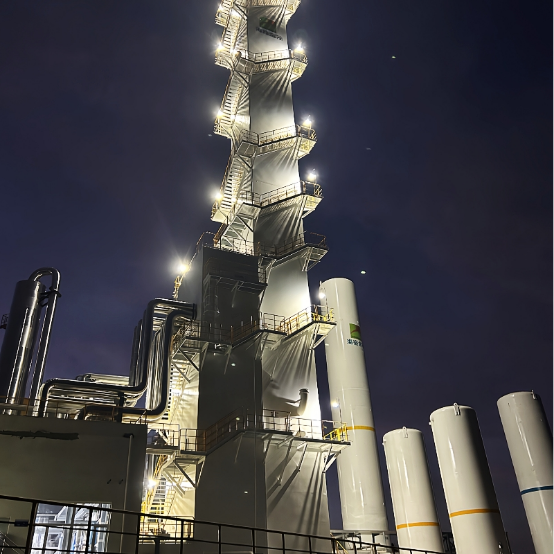
Modular Prefabrication: Reducing On-Site Duration and Schedule Risk by 37%
Modular fabrication cuts down on site construction time by around a third or so, plus it helps avoid problems caused by bad weather and those pesky labor delays we all know too well. When companies assemble things like distillation columns, compressor packages, and cryogenic heat exchangers in factories instead of onsite, they get much better control over weld quality and can actually check everything works properly before sending anything out. This method really brings down the risks associated with installing equipment in the field because there's less need for workers to do dangerous and fewer complicated lifting operations required. Standardized modules speed up the whole permitting process since many designs come already certified. According to industry standards from engineering procurement contractors, projects using modular approaches typically finish 37% faster than traditional methods. And when schedules are more predictable, companies don't have to set aside as much money for unexpected costs either – contingency budgets shrink by about 22%. All this is possible while still keeping operations running smoothly thanks to thorough testing procedures at manufacturing facilities.
Digital Twin–Enabled Commissioning for Predictive Fault Detection and Rework Reduction
The use of digital twins is changing how we approach commissioning, especially when it comes to simulating air separation unit (ASU) performance under actual operating conditions long before any physical equipment starts running. Virtual models catch problems early on such as pipes crossing each other incorrectly, valves not lining up properly, and logical mistakes in control systems thanks to detailed 3D views and advanced simulation techniques. When the real system begins operation, Internet of Things (IoT) sensors send real time information back to these digital replicas, highlighting issues like unexpected heat buildup spots or changes in oxygen purity levels that might otherwise go unnoticed until later stages. What makes this technology so valuable? Well, companies have seen around 80 percent fewer fixes needed after initial setup because many problems get addressed during preliminary testing phases. Field operators also notice benefits including roughly 25% faster startup times and about 15% savings on those pesky punch list items that always seem to pop up at the last minute, all because adjustments were made based on what worked best in the virtual world first.
FAQ
What are the main cost drivers in air separation units?
The main cost drivers include core equipment like cryogenic distillation columns, compressors, and heat exchangers, which can account for significant portions of the budget. Additional drivers include site-specific variables, material costs, and labor availability.
Why is modular prefabrication beneficial?
Modular prefabrication reduces on-site construction time, improves quality control, and decreases risks related to weather and labor. It helps projects finish about 37% faster than traditional methods.
What role do digital twins play in air separation units commissioning?
Digital twins simulate ASU performance, allowing for early fault detection and rework reduction. They help in identifying issues before physical setup, leading to quicker startups and fewer last-minute fixes.