 EN
EN

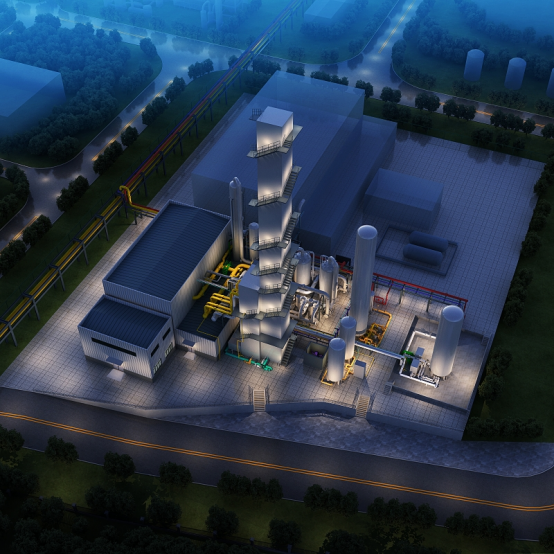
መሰረታዊ የአየር ግንኙነት ᒪኒት የማንጫል አቀራረብ
የማንጫል ትክክለኛ እና ትክክለኛ የተገመተ ማንጫል ለ የአየር ፈሳሽ ክፍል አሃዛት
የጥንቃቄ ሥራዎች የሚከናወኑት በተወሰነ ጊዜ ውስጥ ነው፤ በዚህ ጊዜ ቴክኒሻኖች ማጣሪያዎችን፣ ቅባት የሚለቀቁትን መያዣዎች ወይም ክፍሎችን በየጊዜው ይለውጣሉ፤ እንዲሁም መበላሸት እንዳይከሰት ያደርጋሉ። ጥናቶች እንደሚያሳዩት ግን ከነዚህ የተያዙ ተግባራት መካከል 30% የሚሆኑት በእውነቱ አያስፈልጉም፣ ይህም ለስህተት ተጨማሪ እድልን ይፈጥራል፣ እና አንዳንዴም በተለመደው የጥገና ስራ ወቅት እንኳን ድንገተኛ ጉዳት ያስከትላል። ትንበያ ጥገና የተለየ መንገድ ይከተላል፤ ይህም ችግር ከመከሰቱ ከረጅም ጊዜ በፊት ችግርን ለመለየት እንደ ንዝረት፣ የሙቀት መጠን እና የግፊት ለውጥ ያሉ ነገሮችን ከሚከታተሉ ዳሳሾች የሚመጡ መረጃዎችን በመጠቀም ነው። ይህ ብልህነት ያለው አካሄድ እንደ አየር መለያየት አሃዶች ላሉት አስፈላጊ ስርዓቶች ሲተገበር የመሣሪያዎቹን አስተማማኝነት ወደ 25% ያህል ከፍ ያደርገዋል። ቀደም ሲል የሚታወቁ ዘዴዎች እንደ የተለጠፉ ተሸካሚዎች ያሉ ችግሮችን በንዝረት ቁጥጥር በኩል ይይዛሉ ፣ ይህም ጥገናዎች በፕሮግራም በተያዘለት የጥገና ጊዜ ውስጥ እንዲከሰቱ ያስችላቸዋል ፣ ይህም ሥራውን የሚያስተጓጉሉ ያልተጠበቁ ድንገተኛ መዘጋት ያስገድዳል።
የተዘጋጀ የፈተና ፕሮቶኮሎች በክልል ውስጥ የአየር ማለፊያ ክፍሎች (ASU) ዋና ክፍሎች ላይ
በደህንነት የሚያስከትሉ አደጋዎች መሰረት የተመሰረተ የፈተና አቀራረብ እንዲኖር ማድረግ አየር ማለፊያ ክፍሎች (ASU) በጊዜው በትክክል ለማሰራጨት ያስችላል። ለኮምፕሬሰሮች፣ በእያንዳንዱ ሦስት ወራት ውስጥ የእንጅን ኢንስፔክሽን ማድረግ የሚያስከትለው የኦይል ጥንካሬ ለውጦችን እና የሜታል ቅንጣቶችን በቅርብ ጊዜ ማግኘት ይቻላል፣ እነዚህ በተጨማሪ ችግሮች ሆነው ስለሚገነቡ ነው። ትልቅ የሳሙና ችግር ለመፍታት ከ140,000 ዶላር በላይ ሊከፍል ይችላል፣ ስለዚህ የተደጋጋሚ መከታተል የንግድ አስተዋጽኦ አለመቻል ነው። የሙቀት ማቀነባበሪያዎች በወር የሚደረጋው የፈተና አስፈላጊ ነው፣ ምክንያቱም ውስጡ ላይ አረንጓዴ በመሰብሰብ በእያንዳንዱ ዓመት የሙቀት ተፅዕኖ በ12 እስከ 18 በመቶ ይቀንሳል። የክራዮጄኒክ የፒፒፖች ለውጥ የሚያስፈልጋቸው የተለየ ትኩረት ይጠይቃሉ። በሄሊየም በየ ሁለት ዓመት ሁለት ጊዜ የሚደረጋው የዝርዝር ፈተና የኦክስጅን በመሰብሰብ የሚፈጠሩ የደህንነት ችግሮችን ያስቀላል። የፒዮኔሞን በ2023 ዓ.ም. የተደረገው የኢንዱስትሪ ጥናት ገለጻ ያደረገው እንደ ሆነ፣ የዲስቲሌሽን ኮሎናዎች፣ የቀርጞ ቦክስ እና የአድሶርፕሽን ስርዓቶች ላይ የዚህ የገንዘብ ማስተዳደር ስራዎችን የሚከተሉ ድርጅቶች የተጠበቀ የማቆሻ ችግር በ40% ይቀንሳሉ።
ውጪ የሚገናኙ ማያያዣዎች የሉም፡ ሁሉም ማጣቀሻዎች በ authoritative=falseበማያያዙ ህጎች መሰረት።
የክራዮጄኒክ ኮር ክፍል የአገልግሎት አስተዳደር
የቀንጣቢ ሳጥን የተመሳሳይነት: የሙቀት ጭንቀት አስተዳደር እና የዝውውር ማከላከል
የኮልድ ቦክስ ጥንካሬ በተለምዶ በአንድ ጊዜ በሚከሰቱ ብልሽቶች አይጠፋም ነገር ግን በየቀኑ የምናያቸው በእነዚያ የማያቋርጥ የመነሻ ማቆሚያ ዑደቶች ምክንያት ከሚመጣው የሙቀት ድካም ጋር በጊዜ ሂደት ይገነባል ። የቧንቧው መከላከያዎችና ማቀነባበሪያዎች በተደጋጋሚ ሲሞቁና ሲቀዘቅዙ የሚከሰተው ችግር በጣም ከባድ ነው፤ ይህም ትናንሽ ስንጥቆች ከሚጠበቀው በላይ በፍጥነት እንዲፈጠሩ ያደርጋል። እነዚህ ትናንሽ ክፍተቶች ትልቅ ችግር ከመሆናቸው በፊት ለመያዝ በየሩብ ዓመቱ የሚደረጉ የሂሊየም ምርመራዎች አሁንም ቢሆን ከአንድ ሚሊሜትር በታች የሆኑ ክፍተቶችን ለመለየት እንደ ወርቅ መስፈርት ይቆማሉ። የሙቀት ምስሎችን መመርመርም በተቆጣጠሩት ሁኔታዎች ሥርዓቶችን በሚጀምሩበት ጊዜም ጠቃሚ ነው። ይህ ደግሞ የማቀዝቀዣው ሂደት በየቦታው እኩል የማይሆንበትን ቦታ ያሳየናል፣ ብዙውን ጊዜ መከላከያ መስራት ያልቻለበትን ወይም እርጥበት የገባበትን ቦታ ያመለክታል። በወሳኝ አካባቢዎች ዙሪያ የተገጠሙ የድምፅ ዳሳሾች ግንባታው እንዴት እንደሚቆም ቀጣይነት ያለው ግብረመልስ ይሰጣሉ። የጭነት መከላከያ ማሽኖች በገመድ ላይ የተቀመጡ ተለዋዋጭ ቦሎዎች በሙከራ ወቅት የናይትሮጂን ማጽጃን አይርሱ። በተገቢው መንገድ ካልተነጻ፣ በስርዓቱ ውስጥ በረዶ ይፈጠራል፤ ይህም የመከላከያ ውጤታማነትን ያቃልላል፤ እንዲሁም ከጊዜ በኋላ ይበልጥ ከባድ ራስ ምታት ሊያስከትል የሚችል የመበስበስ ችግርን ይደብቃል።
የዲስቲሌሽን ኮላምን ትሬይ የገምጋሚያ እና የአፈፃፀም ኦፕቲማይዜሽን
የትራዎቹ ቅድመ-ተስማሚነት፣ የአሲድ አፍታ መቋቋም ችሎታቸው እና የሃይድሮሊክ እረፍትን ለመጠበቅ የሚያገለግሉት ሁሉ በጣም ትልቅ ሚና ያጫውታሉ በሶስት አካላት የሚከፈቱ ነገሮች በ pillar ውስጥ በ 얼마나 በቀጥታ ይከፈታሉ። በእያንዳንዱ ዓመት የትራዎቹ ቅድመ-ተስማሚነት በ±3 ሚሜ ውስጥ መቆየት እንዳለበት ማረጋገጥ አለብን። ከዚህ ውጭ ሲሄዱ ነገሮች ይበላሽታሉ—የተነሳው እና የተፈሳው እንደገና በትክክል አይሰራም፣ ይህም የኦክስጅን አፈፃፀምን እስከ 6% ድረስ ሊቀንስ ይችላል። በአሲድ በጣም የሚሰበሩ አካባቢዎች፣ በተለይም በፋይድ ትራዎች አካባቢ፣ የስማቪ ጥንካሬን ለመፈተሽ የኡልትራሶኒክ ፈተና በጣም ጥሩ ነው። እና በሱር ትራዎች ላይ የሚገኙ የማይታዩ ትንሽ ትስስር ለማግኘት የዲ ፓኔትራንት ፈተና በጣም ጥሩ ነው። በትራዎች መካከል ያለው ግፊት የሚቀንስ በ10% በላይ ለረጅም ጊዜ ቢቆይ ይህ በተለምዶ አንድ ነገር ተዘጋጅቶ ወይም በቀጥታ ተበላሽቶ በመሆኑ በፍጥነት ማስተካከል ያስፈልጋል። የዊር ቁመታ በትክክል ማስተካከል እና የዳውንኮመር ቦታ በቂ መሆን የፍሮዝ ታዋቂነትን ያስተዳድራል እና የተፈጠረው የተፈሳው እንስሳ በትክክል ለመቆየት ያስተዳድራል። ኦፕሬተሮች ሁልጊዜ በአርጎን የሚጨመረው አካባቢ ውስጥ የሚገኙ ትራዎችን በተጨማሪ በስፋት ማስተዋል አለባቸው፣ ምክንያቱም የኦርጋኒክ የማይታመን ነገሮች በዚህ አካባቢ ይሰበራሉ እና በሌሎች ሁሉ አካባቢዎች የሚገኙት ከፍተኛ የማይታመን ነገሮች በፍጥነት ይበላሻሉ።
ለተረጋገጠ የአየር ማፍራዣ ክፍሎች የተጨማሪ ስርዓት የግንባታ ጥበቃ
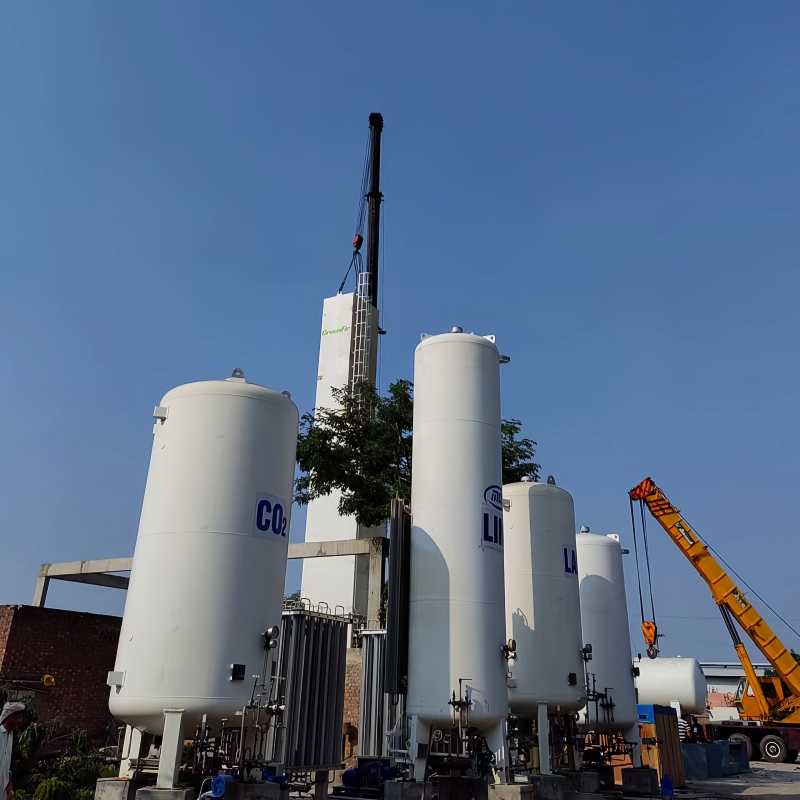
የሙቀት መለዋወጫ የተከማቸ ተግዳሮሽነት ቁጥጥር እና የእድገት ምክር
የአየር መለያየት ክፍሎች የሙቀት ቅልጥፍና እንዲቀንስ የሚያደርገው ዋናው ምክንያት ብክለት አሁንም ነው፣ ይህም የሙቀት ማስተላለፍን ከ15 እስከ 25 በመቶ የሚቀንስ እና የኃይል ፍጆታን ከፍ ያደርገዋል። ችግሮችን ቀደም ብሎ ለመለየት ሲመጣ፣ በሙቀት ልውውጥ አካላት ላይ ያለው የልዩነት ግፊት ክትትል በተሻለ ሁኔታ ይሰራል። አብዛኛዎቹ ተክሎች ግፊቱ ከመደበኛው ደረጃ ከ10 እስከ 15 በመቶ ሲጨምር፣ ይህ ማለት ቅልጥፍናው በቅርቡ መውደቅ ይጀምራል እና የሆነ ነገር መጠገን አለበት ማለት ነው። ለማፅዳት፣ የኬሚካል ሕክምናዎች ሁሉንም ነገር ሳይበታተኑ እነዚያን ግትር የማዕድን ሚዛን እና የዘይት ክምችትን በጥሩ ሁኔታ ይሰራሉ። ሌላው አማራጭ ከ200 እስከ 250 ዲግሪ ሴልሺየስ የሚደርስ ቁጥጥር የሚደረግበት የሙቀት መልሶ ማቋቋም ማስኬድ ሲሆን ይህም የቀሩትን ኦርጋኒክ ነገሮች ያቃጥላል። በየሦስት ወሩ የኢንፍራሬድ ቴርሞግራፊን መደበኛ ጥገናቸው አካል የሚያደርጉ ተክሎች 30 በመቶ ያነሱ ያልተጠበቁ መዘጋት ያጋጥማቸዋል። እነዚህን ሁሉ አቀራረቦች አንድ ላይ ማዋሃድ የሙቀት ቅልጥፍናን በ92 እና 95 በመቶ መካከል ለማቆየት ይረዳል፣ ይህም ኩባንያዎች በኢንዱስትሪ ሪፖርቶች መሠረት በየዓመቱ የኃይል ሂሳቦችን ከ5 እስከ 8 በመቶ ይቆጥባሉ።
የሞለኪውላር ሲቭ አድሶርበር (PPU) የሳይክል ኦፕቲማይዜሽን እና የዲሰርፕሽን ችሎታ
የሞለኪውላር ፍተሻ የሚያስቀምጡ መሳሪያዎች፣ በተለይም እንደ የቅድመ-ፀዳቀድ ክፍል ወይም በአጭሩ የPPU የሚባሉ፣ ከፍተኛ የሂደት ተግባራቸውን ለማሳካት እና ከፍተኛ የኢነርጂ ጥቅም ለማድረግ በማስገቢያ ሂደት ውስጥ የእነዚህ የሂደት ዙርያዎች በጥንቃቄ መ Quarry ይገባል። የዲሰፕሽን ብክለት በ98% ከፍ ማድረግ ለማድረግ በመሰረቱ ሦስት ነገሮች በትክክል ማስተዋወቅ አለባቸው። አንደኛ፣ በማስገቢያ ሂደት ውስጥ የሙቀት መጠን በ250 እስከ 300 ዲግሪ ሳልሲየስ መካከል በጣም ትንሽ የሙቀት ክልል ውስጥ መቆየት አለበት ምክንያቱም ይህ ሁሉ የውሃ ክብደት አጠቃላይ ለማስወገድ ያስፈልጋል። ሁለተኛ፣ በአሁኑ ጊዜ የካርቦን ዳይኦክሳይድ ደረጃዎችን ማከታተል የተለያዩ የሂደት ደረጃዎች መካከል ለመቀየር ጊዜውን ለመወሰን ይረዳል። ሦስተኛ፣ በቤድ ላይ ያለውን ግፊት ልዩነት በተደጋጋሚ ማረጋገጥ የአለመመጣጮ ፍሰት ወይም የቻናል ችግሮችን ለመለየት ይረዳል። ስለዚህ manufacturers በቀጥታ የውሃ ስንሰር ያስተካክሉ ጊዜ፣ በአጠቃላይ የአድሶርፕሽን ዙርያዎችን በ10% እስከ ከፍተኛው 15% ድረስ በቀድሞው የሚገኘው የዘመኑ አጠቃላይ የሚጨምር ይገኛል። ይህ ማለት የፒርጅ ጋዝ በከፍተኛ መጠን በ12% እስከ 18% ድረስ በቀድሞው የሚገኘው የሚቀንስ ማለት ነው፣ ቢሆንም የኦክስጅን ቅንጣቢነት በ99.999% የሚገኘው በተመሳሳይ የሚቆይ ነው።
የኮምፕሬሰር ጤና እና የተዋሃድ የክራዮጄኒክ ድጋፍ አገልግሎቶች
የውሃ ትንታኔ፣ የቪብሬሽን ማከናወንያ እና የASU ኮምፕሬሰሮች የሴል የተነካ ጥራት
የአየር የተለየ ክፍሎች ውስጥ ያሉት የማጎልበት መሳሪያዎች የተረጋገጡ መሆናቸው ላይ ሶስት ዋና የመከታተል መስኮች ይመሰላሉ፣ እነዚህ በማንኛውም ሁኔታ የማይተዋወቁ ናቸው። በመጀመሪያ፣ የእንጨት ትንተና በክብደት የሚገኙ የብረት አካላት እንደ አይረን እና ኮፐር፣ በተጨማሪም የኦክስጅን ጥቅም ላይ የሚውሉ ምልክቶች እና የተፈሳሽነት ምልክቶች በመለየት ችግሮችን በቀዳሚ ደረጃ ማግኘት ይረዳል። ይህ የድጋፍ ቡድኖች የቤርንግ ወይም የጎር ጉዳት በጣም በከፍተኛ ደረጃ ሳይደርስ በፊቱ እንዲሰራ ያስችላል። በሁለተኛ ደረጃ፣ የሞተር አካላት ላይ የተገናኙ የፀደይ መለኪያዎች በመጠቀም የሚከናወን የጭንቀት መከታተል በስራ ላይ ያሉ ችግሮችን እንደ የተመጣጠነ ስህተት፣ የማጣጣመን ስህተት እና የሪዞናንስ ችግሮች ያገኘዋል። የኢንዱስትሪ መረጃዎች ይህንን አቀራረብ በተጠቀሙ የማጎልበት መሳሪያዎች የማይጠበቅ የስራ አቃጠብ በስጠረው አካባቢ በ23% ይቀንሳል ብለው ያስረዳሉ። በሶስተኛ ደረጃ፣ የሴል የተረጋገጡ መሆናቸውን በሄሊየም የተፈሳሽነት ፈተናዎች እና የግፊት የተቀነሰ መለኪያዎች በመጠቀም ማረጋገጥ የውሃ ግቤትን ይከላከላል እና የተሻሻለው አየር ከመውጣቱ ይከላከላል። እነዚህ ሁለት ችግሮች የክራዮጄኒክ ስርዓቶች አፈፃፀምን በከፍተኛ ደረጃ ያጎዳሉ እና የምርት ጥራትን ያሳድራሉ። በጋራ ተገናኙ እነዚህ የመከታተል አቀራረቦች የተጠበቀ የድጋፍ አቀራረብ ይፈጥራሉ፣ ይህ የትክክለኛ የድጋፍ ጊዜ መካከል ያለውን ጊዜ ይጨምራል፣ ለእያንዳንዱ ቶን የተመረተ ጋዝ የኤነርጂ ፍጆታን ይሻሻላል እና በአጠቃላይ የአየር የተለየ ክፍሎችን በስራ ላይ የበለጠ ጥሩ ያደርጋል።
ተደጋጋሚ ጥያቄዎች
ለምን ነው የተከታታይ የማገጃ ሥራ (predictive maintenance) የ ASUዎች ለተከፋፈለ የማገጃ ሥራ (preventive maintenance) የበለጠ የሚወደፍ?
የተከታታይ የማገጃ ሥራ በተወሰነ ጊዜ ውስጥ የሚገኝ የውሂብ መረጃ በመጠቀም ችግሮችን በእጅግ ጥልቅ ስርዓት በመገንዘብ ከመከሰቱ በፊት ይገለጻል፣ ስለዚህ የማገጃ ሥራ ለማድረግ ያስፈልጋቸው የማገጃ ሥራዎች በማያስፈልጉ መልኩ ይቀንሳሉ እና የሰው ስህተት ምክንያት የሚከሰቱ እድሎች ይቀንሳሉ።
የቀንጣቢ ሳጥን (cold box) የተዋሃደነት እንዴ ይቆያል?
የቀንጣቢ ሳጥን የተዋሃደነት በሙቀት ግፊት አስተዳደር (thermal stress management)، በየጊዜው የሄሊየም ክፍተት ፈተናዎች (helium leak tests), በድምጽ ማስተዋል (acoustic monitoring) እና በማገጃ ሥራ ጊዜ የኒትሮጀን ማጽዳት (nitrogen purging) በመጠቀም ይቆያል።
የሙቀት ማካፈያዎች (heat exchangers) በ ASU ውስጥ የተመቻቸነት ምን ሚና ይጫወታሉ?
የሙቀት ማካፈያዎች የሙቀት ተመቻቸነትን ለመጠበቅ በጣም አስፈላጊ ናቸው። በየጊዜው የሚደረገው ማስተዋል እና የማጽዳት ሥራዎች የሚያስከትሉ የአካል ማሰባሰብ (fouling) ለመከላከል ይረዳሉ፣ ይህ የተመቻቸነትን በከፍተኛ ሁኔታ ሊቀንስ ይችላል።
የስንዴ ትንተና (oil analysis) በኮምፕሬሰር ማገጃ ሥራ ውስጥ ምን ሚና ይጫወታል?
የስንዴ ትንተና የሚከሰቱ የስንዴ አካላት የስንዴ አካላት የተበላሹ አካላት (wear metals)، የኦክስጅን ማጣመር (oxidation) እና የሌሎች አካላት የስንዴ ውስጥ መገኘት (contamination) በመገንዘብ በጊዜው የሚደረገው የማገጃ ሥራ በኮምፕሬሰር ላይ የሚከሰቱ ከፍተኛ ጉዳቶችን ለመከላከል ይረዳል።
የተለመዱ የማስተዋል ስርዓቶች ምን ናቸው ሀ የአየር ስéparation ክፍል የተከልለ ሴስተሞች?
ተለመዱ ፕሮቶኮሎች የኮምፕሬሰር የእንጨት ፍተሻዎችን፣ የሙቀት መለዋወጫዎች የወርሃዊ ጠቅላላ እይታን እና የክራዮጄኒክ ቧንቧዎች የሁለት ዓመታዊ ፍሳሽ ፈተናዎችን ያካትታሉ።
የማውጫ ጠረጴዛ
- መሰረታዊ የአየር ግንኙነት ᒪኒት የማንጫል አቀራረብ
- የክራዮጄኒክ ኮር ክፍል የአገልግሎት አስተዳደር
- ለተረጋገጠ የአየር ማፍራዣ ክፍሎች የተጨማሪ ስርዓት የግንባታ ጥበቃ
- የኮምፕሬሰር ጤና እና የተዋሃድ የክራዮጄኒክ ድጋፍ አገልግሎቶች
-
ተደጋጋሚ ጥያቄዎች
- ለምን ነው የተከታታይ የማገጃ ሥራ (predictive maintenance) የ ASUዎች ለተከፋፈለ የማገጃ ሥራ (preventive maintenance) የበለጠ የሚወደፍ?
- የቀንጣቢ ሳጥን (cold box) የተዋሃደነት እንዴ ይቆያል?
- የሙቀት ማካፈያዎች (heat exchangers) በ ASU ውስጥ የተመቻቸነት ምን ሚና ይጫወታሉ?
- የስንዴ ትንተና (oil analysis) በኮምፕሬሰር ማገጃ ሥራ ውስጥ ምን ሚና ይጫወታል?
- የተለመዱ የማስተዋል ስርዓቶች ምን ናቸው ሀ የአየር ስéparation ክፍል የተከልለ ሴስተሞች?