 EN
EN

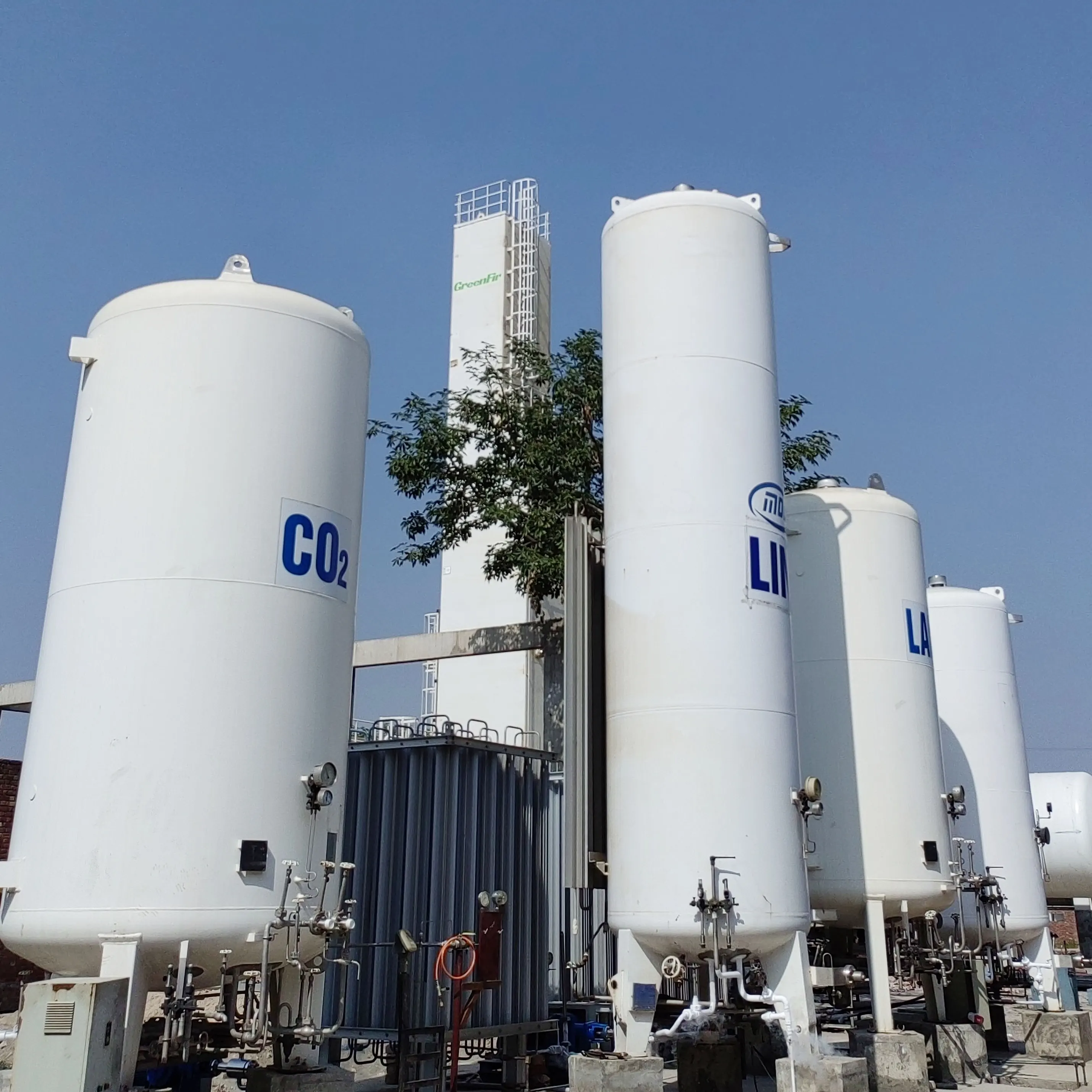
Why Standard Gas Systems Fall Short: The Imperative for Process Gas Engineering Services
Standard off-the-shelf gas delivery systems often fail to meet the precise flow, purity, and pressure requirements of demanding industrial processes. In semiconductor etching, even a minor fluctuation in gas composition can ruin an entire wafer batch—triggering multimillion-dollar scrap. Metal heat treatment relies on exact oxygen and nitrogen balances; a misaligned gas mix voids heat-treat certifications and compromises component integrity. In pharmaceutical sterilization, contamination risks multiply when generic gas panels lack real-time purity monitoring. These failures share a common root: the absence of application-specific process gas engineering services.
The Cost of Misalignment: Failures in Semiconductor Etching, Metal Heat Treatment, and Pharma Sterilization
When a gas system is not designed for the process, the financial and operational consequences are severe. A semiconductor fab may lose $740,000 per hour of downtime due to a gas purity issue [Ponemon Institute, 2023]. Metal heat treaters face rework costs and rejected parts if atmosphere composition drifts outside specification. In pharma, a sterilization batch failure can trigger regulatory audits and product recalls. In each case, the underlying problem is the same: standard components cannot adapt to the unique flow dynamics, chemical compatibility, and safety thresholds of the application.
Beyond Compliance: How Application-Specific Design Ensures Safety, Uptime, and Regulatory Readiness
Application-specific engineering goes beyond meeting baseline safety codes like NFPA 99 or ISO 13485. A process gas engineering provider customizes every component—from valve sizing to leak-detection logic—to actual process conditions. This reduces false shutdowns, extends filter life, and simplifies maintenance. For semiconductor fabs, custom panels include real-time purity telemetry that alerts operators before a drift occurs. For pharmaceutical lines, sanitary welds and automatic purge cycles prevent cross-contamination. The result is not just compliance but predictable uptime and lower total cost of ownership.
Engineering Custom Gas Solutions: From Modular Skids to OEM-Integrated Systems
Off-the-shelf gas systems frequently fail to meet the precise demands of specialized industrial applications. Customized process gas engineering services overcome these limitations through two strategic approaches: modular skids and embedded OEM solutions. Each method delivers application-specific performance while ensuring safety and operational continuity.
Modular Gas Skids: Pre-Validated, Field-Deployable Units for Rapid Metal Melting & Ceramic Firing Lines
Pre-engineered modular skids integrate gas handling components—valves, regulators, filtration systems, and safety controls—into compact, transportable units. Factory-validated under controlled conditions, these systems eliminate on-site fabrication errors and accelerate deployment in high-temperature environments like aluminum foundries or ceramic kilns. Field data shows modular units reduce installation timelines by 40–60% compared to traditional builds while maintaining 99.98% purity levels. Their plug-and-play design enables:
- Immediate operational readiness in metal melting lines
- Consistent gas flow dynamics during ceramic sintering cycles
- 30% lower commissioning costs through standardized interfaces
OEM Collaboration Framework: Embedding Custom Gas Panels Directly into Process Tool Architecture
Deep integration with original equipment manufacturers (OEMs) embeds gas control systems within production machinery—such as semiconductor etchers or pharmaceutical sterilizers. This co-engineering approach synchronizes gas delivery with tool operation, eliminating external piping and reducing contamination risks. A leading semiconductor manufacturer reported 22% fewer pressure fluctuations after integrating custom panels into chemical vapor deposition tools. Key advantages include:
- Reduced footprint through direct architectural embedding
- Real-time synchronization with process control systems
- Preemptive safety interlocks designed for specific operating parameters
Ultra-High Purity Gas Handling: Balancing Performance, Reliability, and Real-World Feasibility
Managing ultra-high purity (UHP) gases—critical for semiconductor fabrication, pharmaceutical sterilization, and advanced materials processing—demands precision engineering to prevent catastrophic contamination. Even parts-per-trillion impurities can ruin microchips or compromise sterile environments, making material selection (e.g., electropolished stainless steel), surface passivation, and hermetic sealing non-negotiable. However, achieving this purity often clashes with operational realities: escalating costs for specialized alloys, complex ASME BPE compliance, and vulnerability to supply chain disruptions create bottlenecks. Process gas engineering services mitigate these risks through modular designs with pre-validated purification stages, leak-tested assemblies certified to <1×10⁻⁹ mbar·L/s, and embedded redundancy for critical sensors. This approach balances zero-tolerance purity requirements with scalable deployment—ensuring yield protection without untenable capital expenditure.
FAQ Section
Why do standard gas systems fail in demanding industries?
Standard gas systems often fail due to their inability to meet precise flow, purity, and pressure requirements required in industries like semiconductor manufacturing, metal heat treatment, and pharmaceutical sterilization.
What industries benefit from process gas engineering services?
Industries such as semiconductor fabrication, metal processing, pharmaceutical sterilization, and advanced materials manufacturing benefit significantly from customized process gas engineering.
What are the advantages of modular gas skids?
Modular gas skids offer pre-validated compact units with rapid deployment, consistent purity levels, and lower commissioning costs.
What is the role of OEM collaboration in gas system integration?
OEM collaboration embeds gas systems directly into production machinery, ensuring synchronization, reducing contamination risks, and offering real-time operational control.
How do process gas engineering services achieve ultra-high purity gas handling?
These services utilize modular designs, pre-validated purification components, leak-tested assemblies, and sensor redundancy to ensure consistent and reliable ultra-high purity gas handling.
Table of Contents
- Why Standard Gas Systems Fall Short: The Imperative for Process Gas Engineering Services
- Engineering Custom Gas Solutions: From Modular Skids to OEM-Integrated Systems
- Ultra-High Purity Gas Handling: Balancing Performance, Reliability, and Real-World Feasibility
-
FAQ Section
- Why do standard gas systems fail in demanding industries?
- What industries benefit from process gas engineering services?
- What are the advantages of modular gas skids?
- What is the role of OEM collaboration in gas system integration?
- How do process gas engineering services achieve ultra-high purity gas handling?