 EN
EN

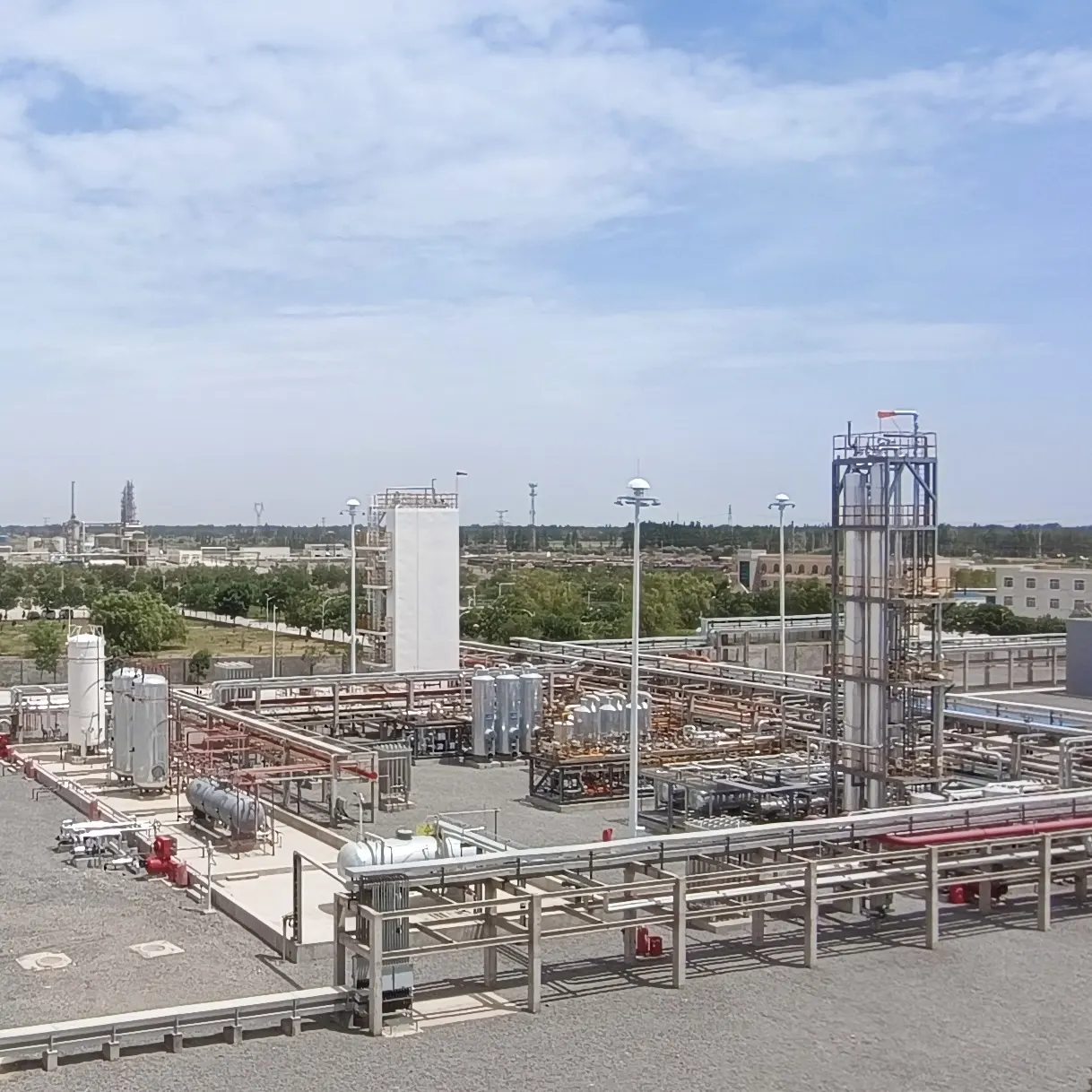
Intelligent Operations: AI, IoT, and Real-Time Analytics for Gas Technology Solutions Providers
AI-powered predictive decision-making for pipeline integrity and demand forecasting
Advanced AI algorithms analyze historical corrosion patterns and consumption data to forecast infrastructure vulnerabilities and energy demand fluctuations with 92% accuracy. This enables proactive maintenance before failures occur and optimizes distribution planning. Leading providers use these systems to reduce unplanned downtime by 45% while dynamically adjusting supply chains based on weather patterns and market indicators—converting raw operational data into actionable maintenance schedules and inventory forecasts.
IIoT-enabled remote monitoring and predictive maintenance across gas infrastructure
Industrial Internet of Things (IIoT) networks deploy thousands of sensors along transmission routes to monitor pressure differentials, temperature anomalies, and equipment vibrations in real time. These connected systems detect early signs of compressor fatigue or valve degradation, triggering maintenance workflows before failures escalate. Field studies show IIoT implementations prevent approximately $740k in annual emergency repairs per 100 miles of pipeline while cutting manual inspection costs by 60% [Ponemon Institute, 2023]. Continuous data streams also enable remote diagnostics for inaccessible or hazardous locations.
Multi-sensor fusion (optical fiber, electrochemical, laser-based) with edge AI analytics
Integrated sensor arrays combine distributed acoustic sensing (DAS) via optical fibers with electrochemical leak detectors and laser-based methane profilers, generating comprehensive integrity maps. Edge computing nodes process terabytes of raw data locally, applying machine learning to distinguish critical events—such as micro-leaks—from false alarms within milliseconds. This multi-layered approach identifies methane emissions below 5 ppm at flow rates under 0.2 CFM—sensitivity levels unattainable by single-sensor systems. Real-time analytics transform multi-source inputs into prioritized integrity alerts, enabling faster response and higher confidence in asset health assessments.
Precision Emission Detection and Environmental Accountability
Methane leaks remain a critical challenge for gas technology solutions providers striving to meet tightening environmental regulations. Optical gas imaging (OGI) and drone-mounted infrared (IR) systems now allow operators to quantify leaks in real time, detecting invisible plumes from pipelines and storage facilities with high spatial accuracy. These tools reduce manual survey times and enable rapid repair planning—directly lowering fugitive emissions.
Optical gas imaging (OGI) and drone-mounted IR systems for methane leak quantification
OGI cameras visualize hydrocarbon gases as dark plumes against a cooler background, making leak sources instantly identifiable. When paired with drone platforms carrying IR sensors, inspectors can survey hundreds of kilometers of pipeline in a single flight—even over remote or rugged terrain. Advanced models integrate quantification algorithms that estimate mass emission rates, supporting compliance reporting and repair prioritization. This combination shifts leak detection from infrequent spot checks to frequent, scalable aerial surveillance.
Networked smart sensors for continuous monitoring of methane, H₂S, and combustibles
Fixed sensor networks—equipped with electrochemical, catalytic bead, or infrared point detectors—deliver round-the-clock monitoring across gas processing plants and distribution networks. These sensors wirelessly transmit real-time concentrations of methane, hydrogen sulfide, and combustible gases to a central dashboard. When thresholds are exceeded, automated alerts trigger immediate investigation. The networked approach complements aerial surveys by filling coverage gaps between flyovers, ensuring leak events are detected within minutes rather than days. Routine calibration and drift correction maintain long-term accuracy across extended deployments.
Decarbonization Pathways: Hydrogen Integration and CCUS for Low-Carbon Gas Systems
A leading gas technology solutions provider must navigate two parallel decarbonization routes: hydrogen integration and carbon capture, utilization, and storage (CCUS). Both pathways require new infrastructure, material upgrades, and real-time monitoring to ensure safety, regulatory compliance, and operational efficiency.
Hydrogen blending standards, material compatibility, and green hydrogen scalability for gas networks
Blending hydrogen into existing natural gas pipelines reduces carbon emissions without overhauling the entire grid. However, hydrogen’s small molecular size and embrittlement risk demand stricter material standards—steel grades, seals, and welds must be certified for hydrogen service per ASME B31.12 and ISO 15930 guidelines. Current pilot projects in the U.S., Japan, and Europe are blending up to 20% hydrogen by volume, testing pipeline integrity and end-use appliance compatibility. Scalability of green hydrogen remains tied to electrolyzer cost reductions and renewable energy availability. Providers can support this transition with retrofitting services, hydrogen-specific leak detection sensors, and pressure management systems designed for gradual ramp-up.
Carbon capture, utilization, and storage (CCUS) applied to gas processing and power generation
CCUS captures CO₂ from gas processing plants and power generation flues before it reaches the atmosphere. The captured carbon can be stored underground in depleted reservoirs or used as feedstock for synthetic fuels and chemicals. Large-scale CCUS hubs are being built to retrofit existing fossil-fuel plants, but the technology requires extensive pipeline networks to transport CO₂ to storage sites. Advances in amine-based solvents, membrane separation, and cryogenic capture are improving efficiency and lowering capital and operating costs. For gas technology solutions providers, retrofitting gas processing facilities with CCUS units—and integrating CO₂ transport monitoring systems using IIoT and AI-driven anomaly detection—represents a high-growth service area aligned with global net-zero commitments.
FAQ
What is the accuracy of AI algorithms used for pipeline integrity and demand forecasting?
AI algorithms achieve a forecast accuracy of 92% for energy demand fluctuations and infrastructure vulnerabilities.
How do IIoT-enabled systems reduce costs?
IIoT systems cut manual inspection costs by 60% and prevent about $740k annually in emergency repair costs per 100 miles of pipeline.
What technologies are used for methane leak detection?
Methane leaks are detected using Optical Gas Imaging (OGI), drone-mounted IR systems, and fixed sensor networks with real-time monitoring capabilities.
What hydrogen blending standards are required for gas pipeline systems?
Hydrogen blending standards follow ASME B31.12 and ISO 15930 guidelines to mitigate risks like embrittlement and ensure compatibility with existing infrastructure.
What is CCUS, and how does it help with decarbonization?
CCUS captures CO₂ emissions from gas processing and power plants, storing it underground or using it for synthetic fuels, aiding in global net-zero commitments.