 EN
EN



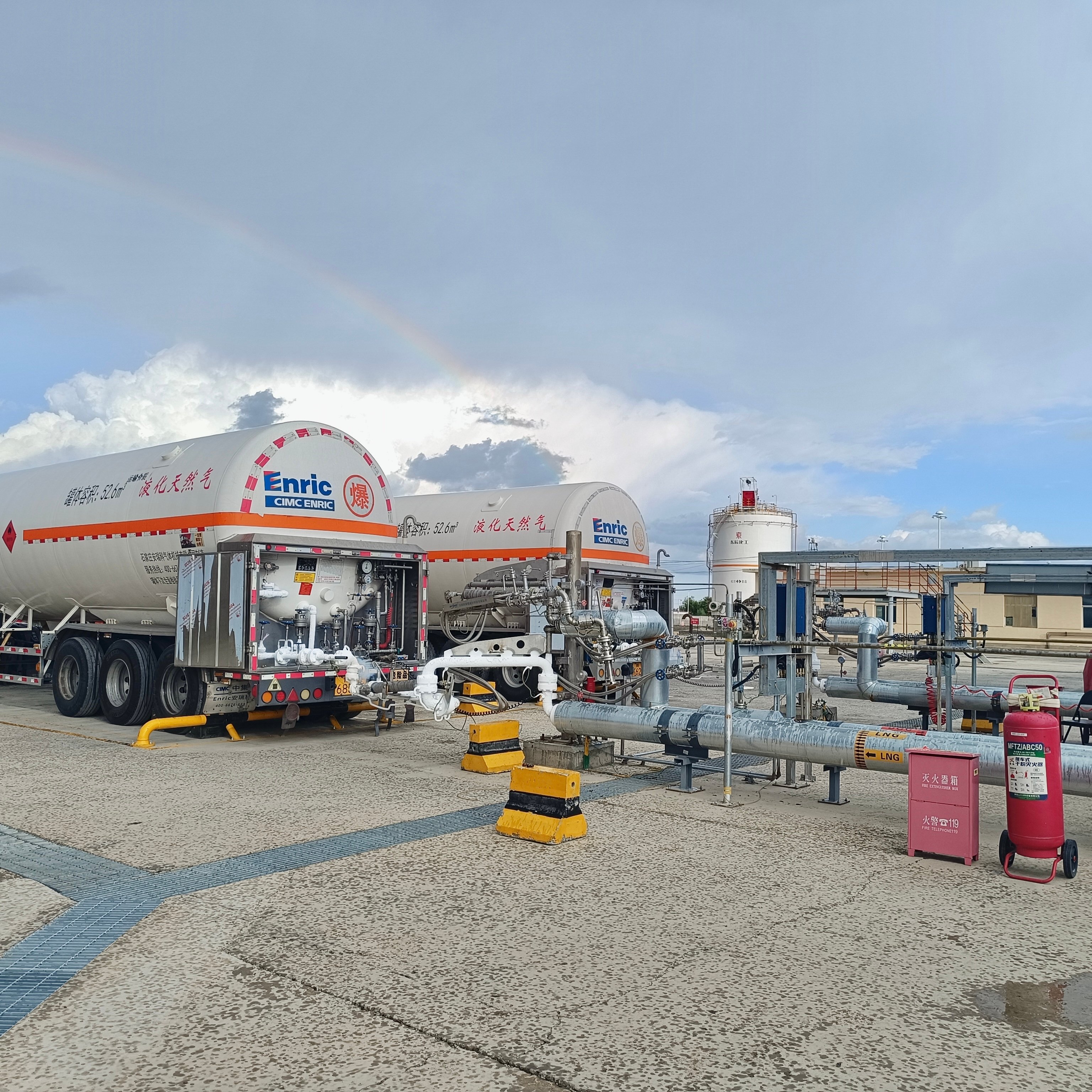
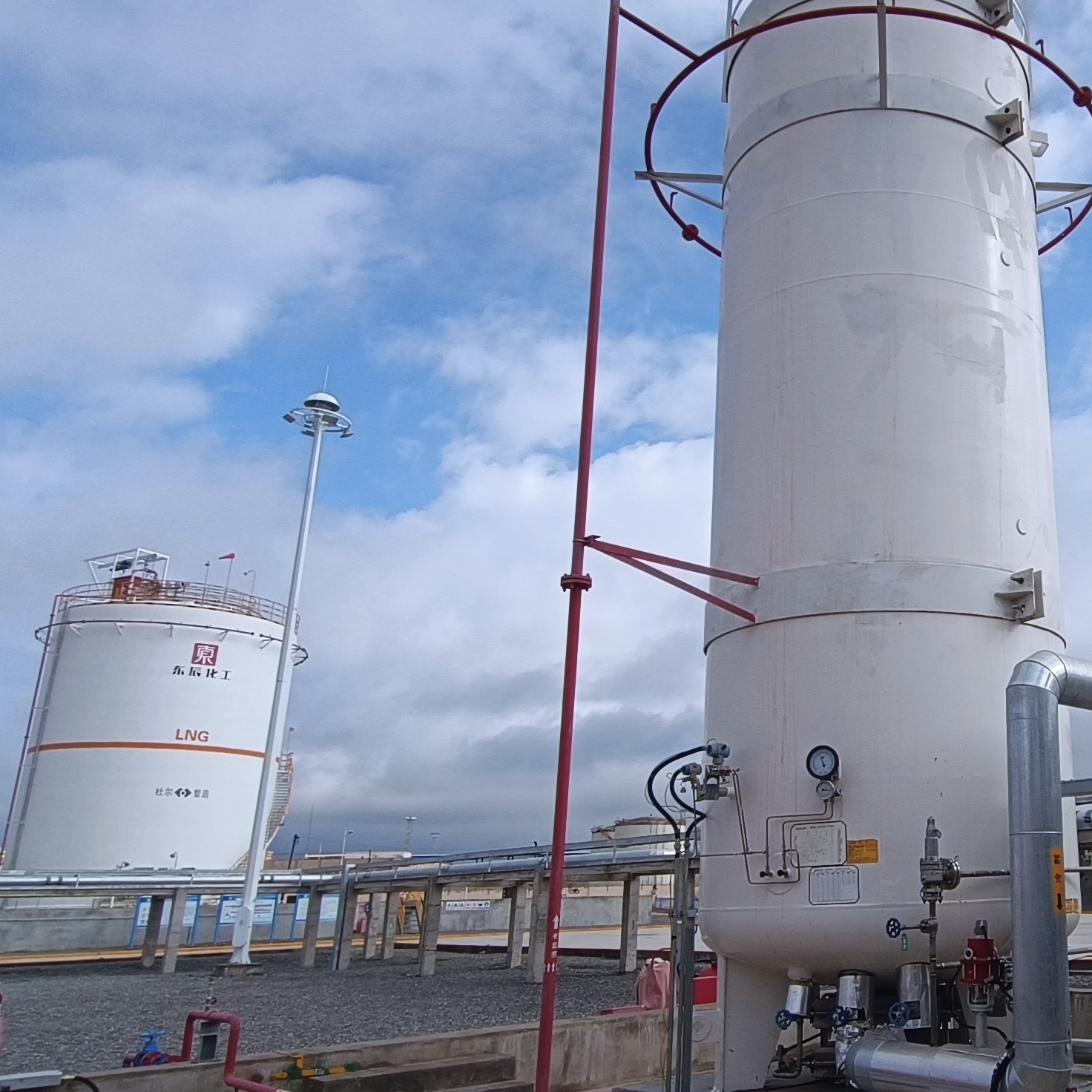
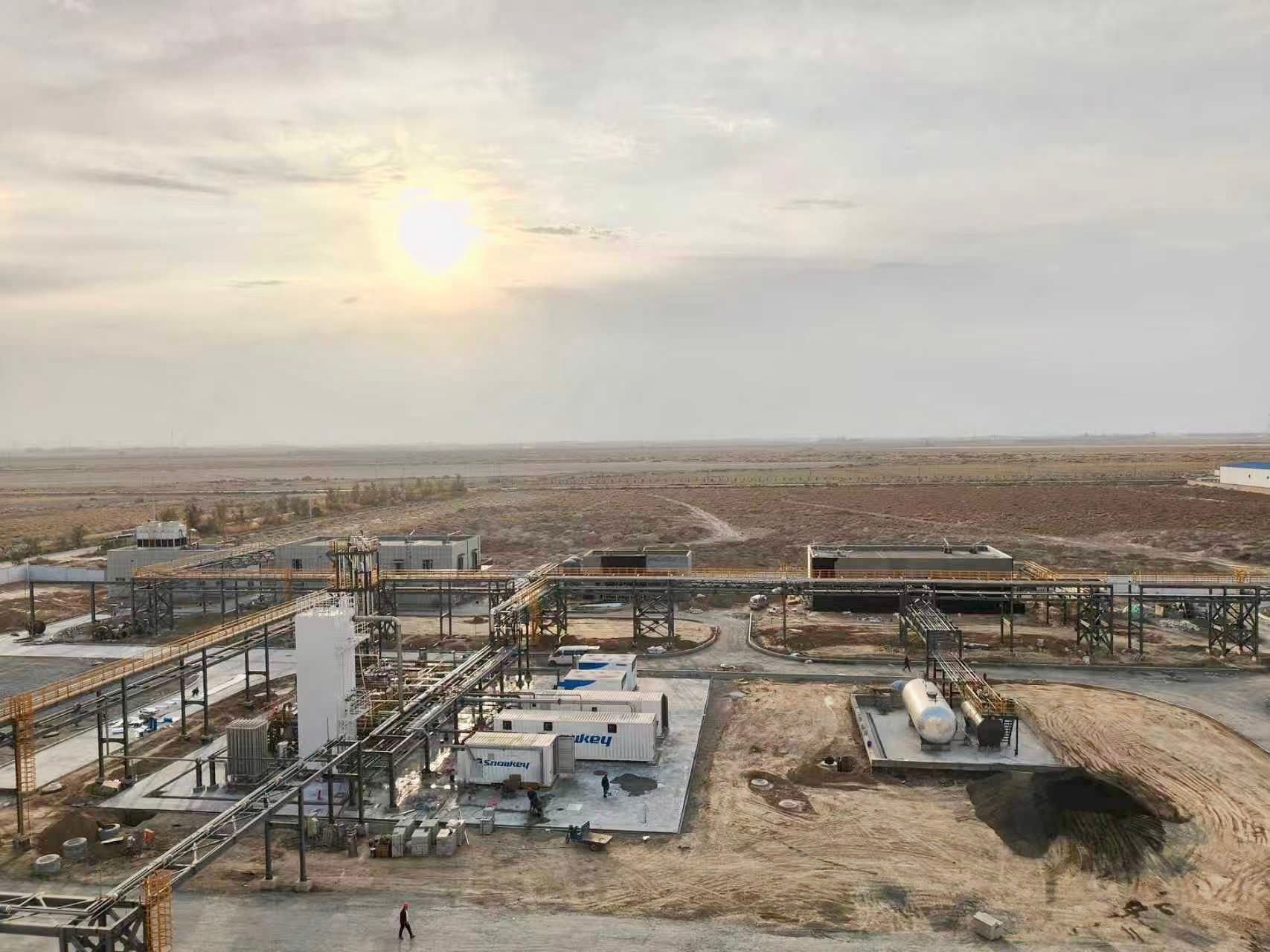
Natural Gas Purification & Dehydration
Remove impurities and non-hydrocarbon components from raw natural gas to meet the pipeline transmission standards for commercial natural gas or the requirements for subsequent processing.
Description
Natural gas purification equipment is an essential pretreatment step for subsequent utilization (pipeline transmission, liquefaction, chemical processing, and refueling). It removes harmful impurities, meets product standard requirements (GB 17820, GB 18047, GB/T 38753, etc.), protects downstream equipment, and recovers high-value by-products.
Our purification equipment is suitable for various gas sources, such as: associated gas from oil fields, pipeline gas, shale gas, coalbed methane, biogas, flare gas, and chemical tail gas. The equipment operates over a wide pressure range with an operational load adjustment range of 30% to 110%. We have extensive experience in purifying gases with high organic sulfur, H₂S, and CO₂ content. The highly integrated design significantly reduces the footprint, shortens construction time, and lowers installation costs. Additionally, it is equipped with an intelligent monitoring system to detect operational parameters in real time and enable automatic control, along with a safety interlock system to ensure stable operation.
Specification
Case—Xinjiang Luntai 220,000 Nm³/h Nitrogen Removal and Liquefaction Unit
Product |
Output(Nm³/h) |
Outlet Pressure(Mpa.G) |
Temperature(℃) |
Nitrogen Content |
LNG |
8000 |
≥15KPa |
-162 |
≤1%mol |
Process Description
·MDEA Decarbonization Process Description:
The feed gas is filtered through a separator and enters the bottom of the absorption tower, where it contacts lean MDEA solution sprayed from the top in a countercurrent flow. CO₂ and H₂S are selectively absorbed. The rich solution is depressurized in a flash tank to remove hydrocarbons, preheated in a lean rich solution heat exchanger, and then enters the top of the regeneration tower. Under steam stripping in the reboiler, CO₂ and H₂S are desorbed. The regenerated lean solution is exchanged, cooled, and pumped back to the absorption tower for circulation. The acid gas from the top of the tower can be sent to sulfur recovery or CO₂ liquefaction units.
·Molecular Sieve Dehydration Process Description:
After decarbonization, the raw gas enters adsorption Tower A, where water is selectively adsorbed by the molecular sieve bed. The outlet dry gas has a water dew point ≤ -60°C and is sent downstream. After adsorption saturation, Tower B switches to the regeneration process: dry gas or nitrogen is heated in a heater and used for reverse purging of the molecular sieve bed. The desorbed water is condensed and separated in a cooler. Subsequently, cold dry gas is used for forward cooling of the bed to 40°C, completing regeneration for standby. The dual towers automatically switch via programmed valves, with a cycle time of 8–12 hours.
·Low-Temperature + Temperature Swing Adsorption (TSA) Process Description:
After molecular sieve dehydration, the raw gas enters a plate-fin heat exchanger for precooling, causing partial condensation of C₅+ heavy hydrocarbons. It is then deeply cooled by a turbo-expander or mixed refrigerant, and oil phase (recovering LPG/NGL) is separated in a low-temperature separator. Residual heavy hydrocarbons in the gas phase enter the TSA molecular sieve adsorption tower, where heavy hydrocarbons are selectively adsorbed. The outlet gas, with heavy hydrocarbon content ≤ 20 mg/Nm³, is sent to the liquefaction unit. After adsorption saturation, heated purified gas is used for reverse purging regeneration. The desorbed heavy hydrocarbons are cooled and recovered, and the regeneration gas is used as fuel gas.
·Cryogenic Distillation for Nitrogen Removal:
After dehydrocarbonization, the raw gas exchanges heat with top nitrogen and bottom methane in the precooling section to lower its temperature and partially remove heavy hydrocarbons. It then enters the main cooler, where it is deeply cooled to -162°C by a DMR mixed refrigerant and enters the middle of the nitrogen removal tower. The top nitrogen is fully refluxed in the condenser, while the bottom methane is vaporized in the reboiler and rises, completing distillation separation. The bottom methane is reheated to ambient temperature and exported as product gas. The top pure nitrogen gas is used as fuel gas after recovering cold energy in the expander, achieving self-balance of cold energy.
·Manufacturing, Installation, and Commissioning Period:
Modularized for factory assembly and on-site installation, ensuring efficient product delivery. The total project duration from contract signing to successful commissioning is 7 months.
FAQ
Q: Are you a manufacturer or a trading company?
We are a professional manufacturer in the cryogenic equipment field.
Q: What's your advantage?
We provide you not only technology-leading, stable and reliable, cost-efficient equipment, but also solutionsand after-sales service.
Q: Have your engineers participated in any foreign projects?
Yes, our engineers have more than 15 years of experience in this field and have participated in the design, manufacturing, installation, and commissioning of the equipment in Turkey, Egypt, Myanmar, etc.
Q: How can I get the exact price of the product?
Please tell us your specific requirements and environmental data,so we can provide the most suitable products and solutions for you.