 EN
EN

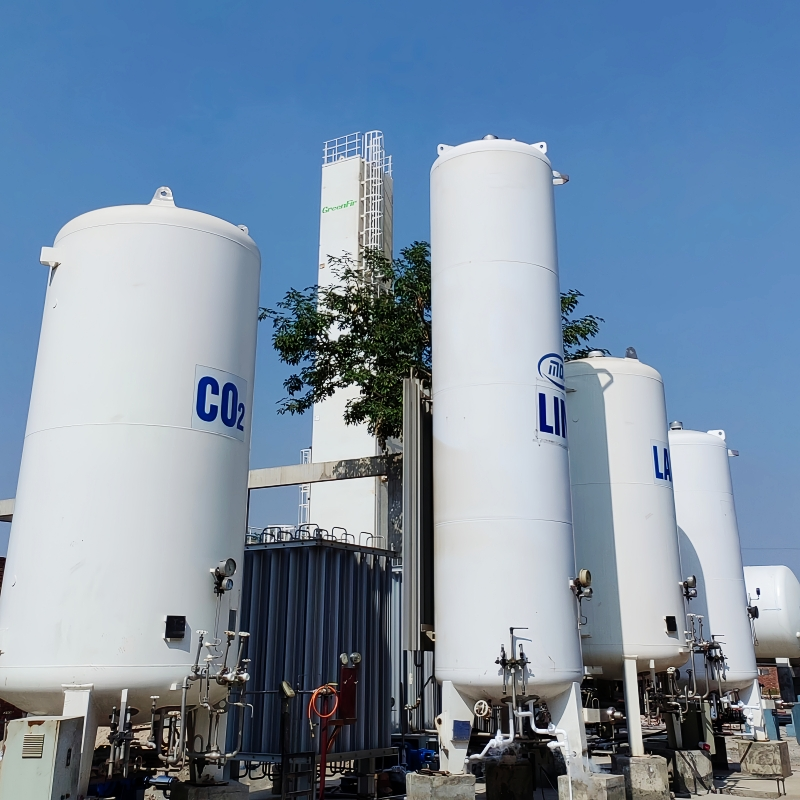
Why Integrated Steel Mills Rely on On-Site Air Separation Units
Operational Demand Drivers: High-Volume, High-Purity Oxygen, Nitrogen, and Argon Requirements
Steel mills need huge amounts of industrial gases that must meet very strict purity standards. Take a big blast furnace for example it can go through more than 300 tons of oxygen every hour. The Basic Oxygen Furnace method needs oxygen that's at least 99.5% pure to get good combustion results and manage the slag properly. For continuous casting operations, they actually require argon with purity levels above 99.999% when doing nitrogen flushing processes. This helps prevent those pesky oxidation defects from forming in the steel slabs. Given these massive volume requirements and exacting specifications, trying to deliver all this gas in bulk just doesn't work out practically. That's why most facilities install on site air separation units (ASUs). These systems give plant operators immediate control over how much gas they produce, what pressure it comes at, and most importantly, how pure it is. This kind of flexibility allows them to match their gas needs exactly with whatever the production line throws at them day to day.
Economic and Reliability Advantages of Cryogenic ASUs vs. Bulk Gas Delivery
Cryogenic air separation units offer some serious long term benefits when compared to getting gases from outside suppliers. When companies generate gases on site, they cut down on all those extra costs related to moving cryogenic materials around, plus there's no need for special handling or storage facilities anymore. And let's face it, nobody wants their operations held hostage by supply chain issues. Facilities that need more than 2,000 tons of oxygen each day usually find that investing in a cryogenic ASU pays off big time. Studies show these plants can save between 40 to 60 percent on gas expenses over ten years instead of relying on bulk deliveries. Some newer systems even recover energy through things like heat recuperation during compression processes, cutting overall power usage by about 15%. But what really matters most is having a reliable gas supply right where it's needed. Plants integrated this way avoid those catastrophic blast furnace shutdowns that can cost millions every single hour they're offline.
Core Steelmaking Applications of Air Separation Units
Blast Furnace Oxygen Enrichment: Boosting Productivity and Reducing Coke Consumption
Today's blast furnaces typically blow in air enriched with oxygen at around 25 to 30 percent O2 concentration, which really ramps up how much coke burns inside. The effect? Hot metal production goes up between 15 and 25 percent, but at the same time, they need about 200 to 300 kilograms less coke for every ton produced. This means lower costs to run the furnace and fewer carbon dioxide emissions for each ton of iron made. When companies install their own air separation units on site, they get better control over this oxygen enrichment process. These systems keep those intense flames burning steady above 2200 degrees Celsius without causing problems from temperature fluctuations. Better temperature control leads to smoother flowing slag and less wear on the furnace lining materials. Industry experts from organizations like the American Iron and Steel Institute have noted these benefits in their operational guidelines, showing why many steelmakers are making this switch.
Basic Oxygen Furnace (BOF) Oxygen Blowing: Precision Control with 99.5% Purity
The BOF steelmaking process needs very pure oxygen, typically above 99.5%, to get consistent and effective decarburization results. Small amounts of impurities like nitrogen or moisture can cause unpredictable oxidation reactions that actually reduce yields and affect surface quality negatively. Cryogenic air separation units provide this high purity oxygen at around 12 to 15 bar pressure through specially designed lances. These lances allow operators to control the blow pattern and positioning with much greater accuracy. The improved precision cuts down on accidental iron oxidation losses by approximately 3 to 5 percent compared to using oxygen with lower purity levels. This matters a lot when producing steels that meet strict chemical requirements for applications such as automotive components and pipeline materials where consistency is absolutely critical.
Argon for Continuous Casting & Secondary Metallurgy: Inclusion Control via Ultra-High-Purity (99.999%) Gas
For ladle metallurgy and continuous casting operations, ultra high purity argon at levels above 99.999% simply cannot be done without. Injecting this gas into molten steel helps remove unwanted hydrogen and nitrogen content. At the same time, it pushes those pesky non metallic inclusions such as alumina and silicates upwards where they get trapped in the slag layer. The numbers matter too. Keeping total impurities under 10 parts per million makes all the difference. Even tiny amounts of nitrogen can lead to those annoying subsurface blisters in both stainless and electrical grade steels. Factories that switch to argon sourced from air separation units see dramatic improvements. Some plants report cutting inclusion related rejections by more than 40% in their finished slabs and billets. These results match what the International Iron and Steel Institute found in their recent 2023 quality benchmarking study.
Energy Efficiency and System Integration Challenges for Air Separation Units in Steel Plants
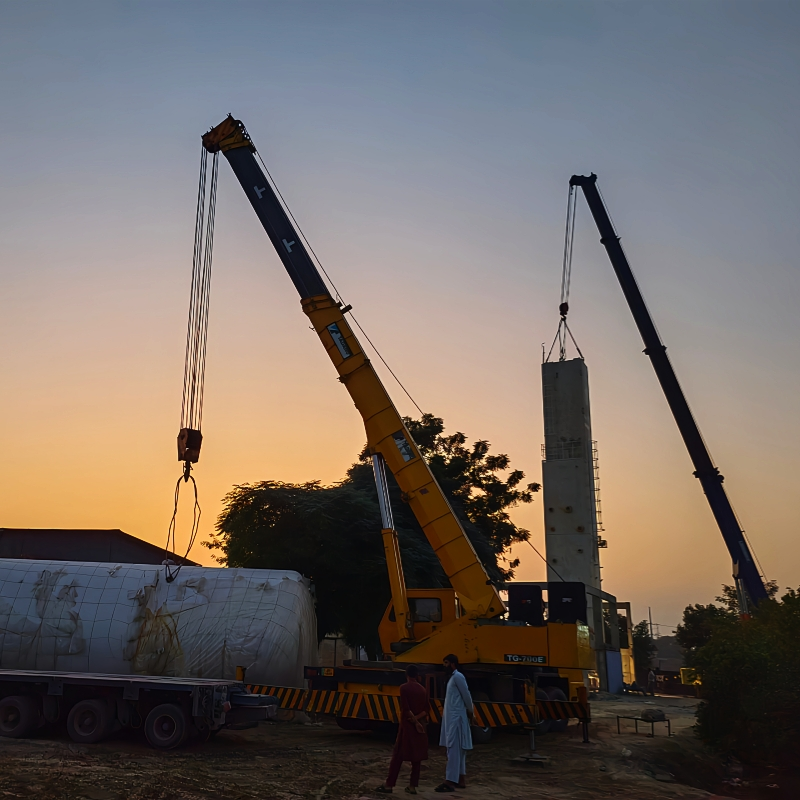
Key Energy Loss Sources: Main Air Compressor Exergy Destruction and Heat Recovery Opportunities
Air separation units, commonly called ASUs, struggle with energy efficiency issues when integrated into steel plants. A big part of the problem lies in how these systems work at a fundamental level, with certain parts losing efficiency through unavoidable thermodynamic losses. Take the main air compressor for instance it eats up around 40% of all the electricity used by an ASU. When we look closer, much of this wasted energy comes from the compression process itself, where valuable energy gets lost as heat. What happens next is pretty wasteful too. The system generates high temperature waste heat between 150 and 300 degrees Celsius, but most facilities just let it escape into the atmosphere instead of putting it to good use. Some smart companies are now installing heat recovery solutions like organic Rankine cycles or generating low pressure steam from this waste heat. These approaches can actually recover about two thirds of the lost thermal energy across the whole plant. This not only makes oxygen production roughly 20% less energy intensive, but also cuts down on cooling water requirements significantly. Getting these systems to work properly though remains challenging. The control systems need careful coordination so the ASU can adjust its output according to changing demands in the steelmaking process. Especially during those tricky periods when blast furnaces switch campaigns or casters get changed over, even small fluctuations in pressure can throw off entire production runs.
FAQ
Why do steel mills need extremely high-purity gases?
Steel mills require high-purity gases for precision and quality control in production. High-purity oxygen, nitrogen, and argon ensure optimal combustion, effective slag management, and prevent oxidation defects in steel slabs.
What advantages do cryogenic ASUs offer over bulk gas delivery?
Cryogenic ASUs provide reliability and cost efficiency. Facilities save on transportation and storage expenses, avoiding supply chain disruptions. ASUs also deliver energy savings and consistent high-purity gases.
How does argon improve continuous casting operations?
Ultra high-purity argon reduces impurities and non-metallic inclusions in molten steel, pushes these inclusions into the slag layer, and helps maintain steel quality. This reduces rejection rates and improves production consistency.
What energy efficiency challenges do ASUs face?
Air separation units face energy efficiency challenges due to thermodynamic losses, particularly in the main air compressor. Heat recovery solutions are being used to mitigate energy wastage and improve overall plant efficiency.