 EN
EN

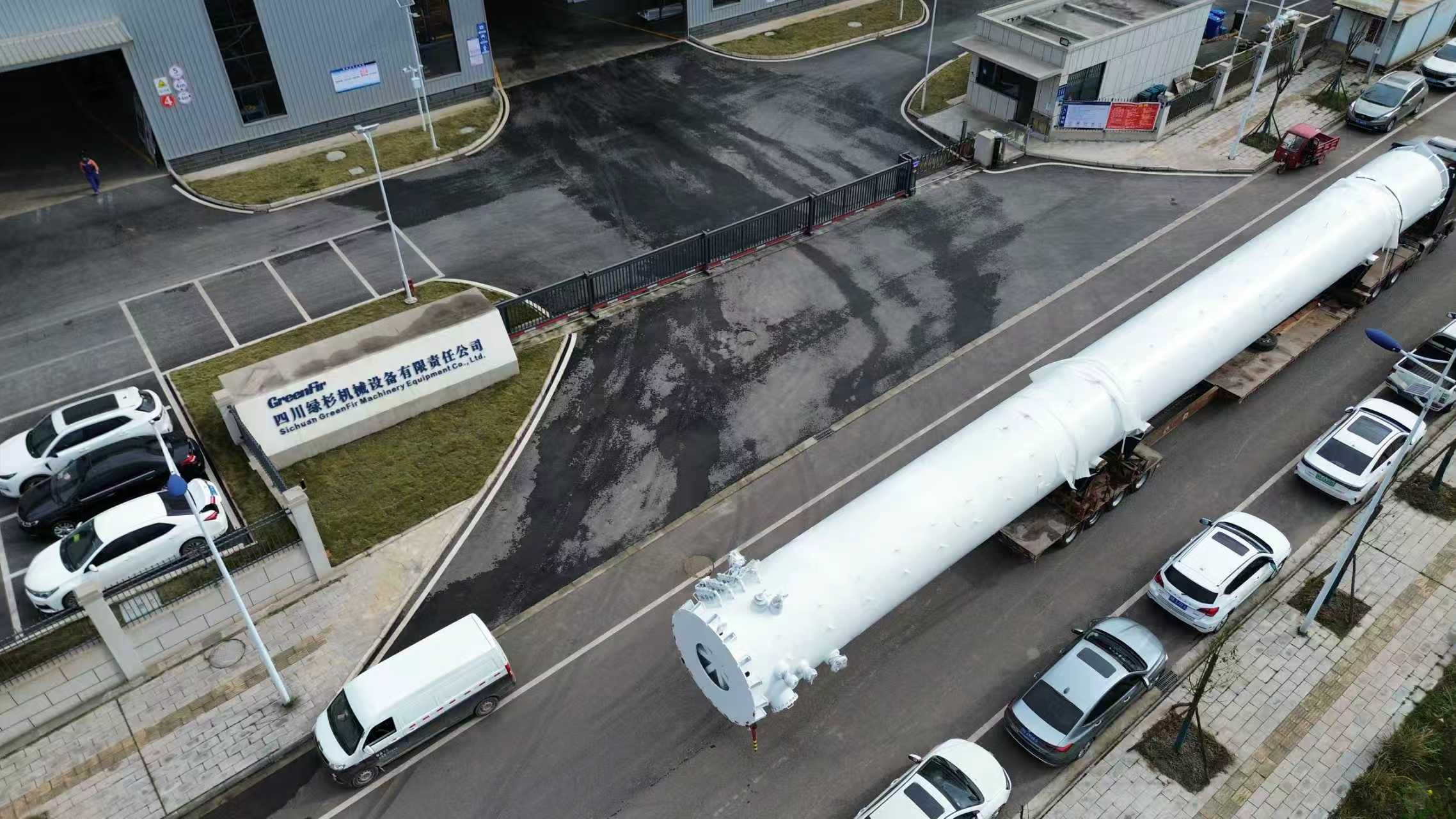
Advanced Control Strategies for Air Separation Units
Dynamic Load Matching Using Adaptive Control Systems
Air Separation Units (ASUs) tend to squander quite a bit of energy when running on fixed settings while gas demand fluctuates around them. The solution? Adaptive control systems step in to fix this problem by making ongoing tweaks to things like compressor speeds, valve placements, and various distillation factors based on live sensor information. This includes tracking what's happening with oxygen and nitrogen needs, outside temperatures, and even the quality of incoming air. When demand drops off, these smart systems dial back the airflow going into those distillation columns but still keep product purity at acceptable levels. According to recent research from 2023 on cryogenic processes, this approach can slash compressor workload by somewhere between 12% and 18%. That beats out the standard industry practice which often results in wasted energy costs ranging from 20% all the way up to 30% due to producing more than needed. Plus there are self-adjusting algorithms built right in that handle wear and tear on equipment plus changes across seasons so operators don't need to constantly tweak settings manually just to maintain good performance.
Model Predictive Control for Real-Time Energy-Aware ASU Operation
Model Predictive Control (MPC) goes beyond reactive adjustment by leveraging physics-based digital twins to simulate ASU behavior 15–30 minutes ahead. It processes dynamic inputs—feed air humidity, turbine exhaust temperatures, and time-of-use power tariffs—to compute optimal setpoints for:
- Cryogenic compressor discharge pressure
- Expander bypass valve positions
- Liquid production ratios
Looking at 37 industrial air separation units in 2022 showed that model predictive control cut down on energy use by about 0.12 to 0.25 kWh per Nm³ of oxygen produced. The same study also noted production changes happened roughly 40% faster when using this approach. What makes MPC stand out is how it anticipates problems before they happen. For instance, during those sudden increases in oxygen demand from blast furnaces, traditional systems often struggle to keep product purity stable. But MPC handles these situations smoothly, avoiding the need for energy draining recovery processes. This kind of forward thinking gives operators something regular PID controllers just can't match when it comes to managing overall system efficiency.
| Control Method | Energy Savings | Transition Speed Improvement |
|---|---|---|
| Adaptive Systems | 12–18% | 25% |
| Model Predictive | 15–25% | 40% |
Air Compressor Efficiency Improvements in Air Separation Units
Compressed air systems account for up to 70% of total ASU energy costs—making compressor optimization foundational to efficiency gains. Three proven strategies deliver measurable impact:
Variable-Speed Drives and System-Wide Pressure Loss Reduction
Switching from fixed speed compressors to variable speed drives lets motors adjust their output according to what's actually needed at any given moment. When combined with efforts to cut down on pressure losses throughout the system, this approach makes a big difference. For instance, installing high efficiency aluminum pipes helps keep air velocity below 6 meters per second. Also worth mentioning are ultrasonic leak detection programs which tackle those hidden losses responsible for about 25% of wasted energy in systems that aren't optimized properly. Making small but smart pressure adjustments based on what each application really requires completes the picture. According to recent studies from 2023 on compressor efficiency, these combined strategies can reduce power consumption by somewhere between 12% and 18%.
Case Study: Twin-Screw Compressor Retrofit Achieving 22% Energy Savings
A leading industrial manufacturer replaced legacy units with VSD-equipped twin-screw compressors, integrated with IoT-enabled central controllers. The retrofit delivered:
| Metric | Pre-Retrofit | Post-Retrofit | Improvement |
|---|---|---|---|
| Energy Use | 1,240 kWh/day | 967 kWh/day | 22% reduction |
| Maintenance Costs | $28k annually | $19k annually | 32% decrease |
| System Pressure | 125 PSI | 108 PSI | 13.6% reduction |
The project confirms that strategic retrofits can overcome ASUs' inherent energy intensity—without compromising product purity or reliability.
Cold Box and Refrigeration Optimization for Air Separation Units

Joule-Thomson Effect Enhancement via Precision Temperature Profile Tuning
The efficiency of refrigeration really depends on managing something called the Joule-Thomson effect, which basically describes how gases cool down when they expand without changing their overall heat content. When there are uneven temperature differences between parts of the cold box, the compressors have to work harder than necessary, leading to higher energy consumption somewhere around 15 to maybe even 30 percent extra. Newer refrigeration setups tackle these issues through continuous temperature checks and smart valves that adjust themselves based on what's happening inside. These systems constantly match up pressure and temperature relationships throughout different sections like heat exchangers and distillation towers. The result? Less cooling than needed for nitrogen rich areas while maintaining proper temperatures for oxygen paths, which keeps the whole system running smoothly without needing constant adjustments to maintain product purity.
Results include reduced compressor loading, extended equipment life through diminished thermal cycling, and consistent product quality. Precision tuning lowers refrigeration energy demand by 18–22%, with continuous calibration sustaining peak performance across fluctuating loads—directly reducing power costs and carbon emissions.
Holistic Energy Monitoring and Benchmarking for Air Separation Units
Energy monitoring at ASUs shifts operations away from just fixing problems when they happen toward actually preventing them through better planning. When companies install submeters on important equipment such as compressors, expanders, and those big distillation columns, it creates detailed performance records that show where energy is being wasted without anyone noticing. Think about things like machines turning on and off too often or heat exchangers getting dirty over time. Real time dashboards let operators see exactly how much power different processes consume compared to what products are coming out of them, so adjustments can be made during times when electricity costs jump up. Looking back at past data helps spot regular changes throughout seasons, and smart software starts warning about possible breakdowns long before these issues would suddenly cause massive increases in energy consumption.
Looking at how well facilities perform compared to ISO 50001 standards or their own past records helps measure real improvements. Most plants see around 15 to maybe 20 percent drop in energy usage when they implement these changes, and usually get their money back within about 18 months. Studies from the Ponemon Institute show that following these kinds of protocols can slash unexpected equipment failures by roughly 30%, saving companies nearly seven hundred forty thousand dollars each year on electricity bills alone. If companies want to keep making these improvements stick around, they need to teach operators what works best during training sessions. Setting clear targets like tracking kilowatt hours needed to produce each ton of liquid oxygen gives everyone something concrete to aim for and makes it easier to see where there's room for better performance over time.
FAQ
Why is energy efficiency critical in ASUs?
Energy efficiency is vital as it reduces operating costs, minimizes environmental impact, and enhances sustainability in air separation processes.
How do adaptive control systems optimize ASU operations?
Adaptive control systems make real-time adjustments to compressor speeds and other operational settings based on live sensor data to maintain product purity and reduce energy wastage.
How does Model Predictive Control (MPC) benefit ASUs?
MPC anticipates operational issues by simulating system behavior and optimizing operational setpoints to reduce energy consumption and enhance process responsiveness.
What role do variable-speed drives play in compressor efficiency?
Variable-speed drives allow compressors to adjust motor output according to demand, reducing energy wastage and optimizing compressor efficiency.
What are Air Separation Units (ASUs)?
Air Separation Units are industrial facilities that separate atmospheric air into its primary components, mainly oxygen and nitrogen, through cryogenic distillation processes.