 EN
EN

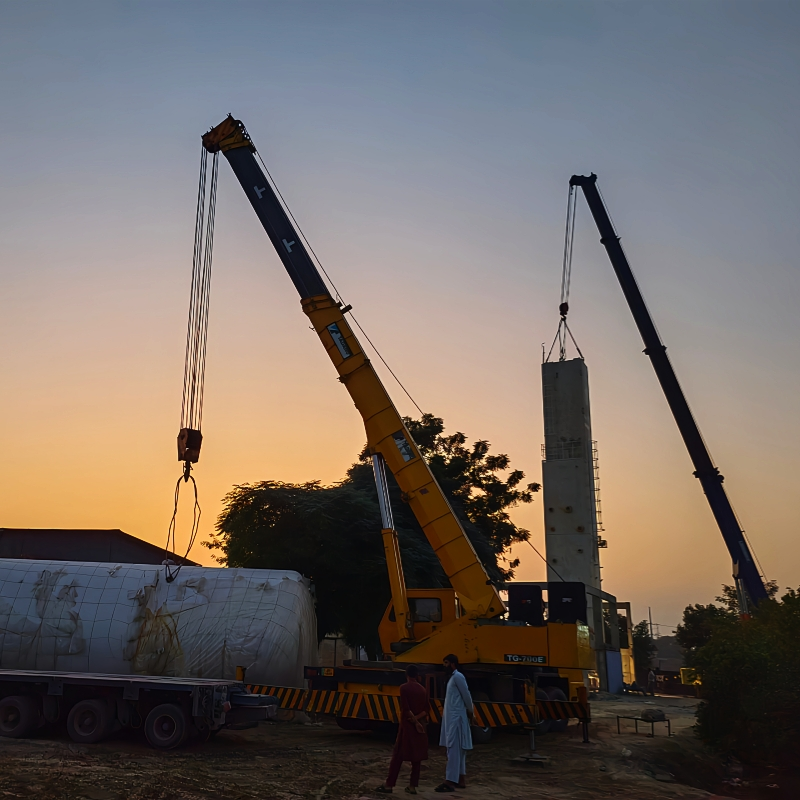
How Small-Scale Air Separation Units Work: Technology, Components, and Efficiency
When it comes to small scale air separation units (ASUs) below 500 Nm³/h capacity, there are basically two main approaches available: cryogenic distillation and pressure swing adsorption (PSA) technology. The cryogenic method works by chilling compressed air down to around minus 185 degrees Celsius until the gases turn into liquid form. This allows for separation through what's called fractional distillation, resulting in oxygen purity levels between 95% and nearly 99.5%. On the other hand, PSA systems work differently. They use these special materials called zeolite molecular sieves that grab onto nitrogen molecules when pressurized. What remains is oxygen with purity ranging from about 90% to 95%, but here's the kicker: PSA typically consumes anywhere from 30% to 50% less energy compared to those cryogenic setups for similar sized operations. Makes sense why many facilities might prefer one over the other depending on their specific needs.
Cryogenic vs. Pressure Swing Adsorption (PSA) for Units Under 500 Nm³/h
Choosing the right technology really comes down to what level of purity is needed and what limitations exist operationally. For situations where oxygen needs to be over 95% pure and there's no room for compromise, cryogenic air separation units (ASUs) tend to be the go to solution. These are commonly used in medical settings and other precision industries. But let's not forget the downsides: they require good insulation, take time to get going, and need a lot of energy upfront. On the flip side, pressure swing adsorption (PSA) systems work better when speed of installation, flexibility, and saving on power consumption are priorities. We see these applied quite frequently in wastewater processing plants and food packaging facilities where quick setup makes all the difference.
| Comparison Factor | Cryogenic ASUs | PSA ASUs |
|---|---|---|
| Typical Purity Range | 95–99.5% | 90–95% |
| Energy Consumption | 0.8–1.2 kWh/Nm³ O₂ | 0.4–0.6 kWh/Nm³ O₂ |
| Footprint | Large (cold box units) | Compact (modular skids) |
Key Components and Process Flow: Compression, Purification, and Gas Delivery
All small-scale ASUs follow a standardized sequence:
- Compression: Ambient air enters oil-free compressors, typically raising pressure to 4–7 bar.
-
Purification:
- Pre-filters remove particulates and oil aerosols
- Adsorbent beds (e.g., activated alumina, molecular sieves) eliminate moisture and CO₂
-
Separation:
- Cryogenic: Cooled air enters distillation columns where nitrogen, oxygen, and argon separate based on boiling points
- PSA: Pressurized air flows through twin zeolite towers; one adsorbs nitrogen while the other regenerates during depressurization
- Delivery: Product gases pass through built-in analyzers and flow directly to point-of-use pipelines or storage tanks
Automated control systems continuously monitor gas composition and adjust cycle timing or compressor speed to maintain target purity and pressure.
Energy Efficiency Benchmarks and Optimization Strategies
Energy use across small-scale ASUs ranges from 0.4–1.2 kWh/Nm³ of product gas, depending on technology, duty cycle, and ambient conditions. Proven efficiency strategies include:
- Variable-speed drives on compressors (reducing energy use by 15–25%)
- Heat recovery exchangers capturing 60–70% of compression heat for facility heating or pre-cooling
- Predictive maintenance of adsorbents to prevent 20% efficiency loss from saturation or channeling
- Load-matching controls that scale output to real-time demand, cutting idle consumption by up to 30%
These measures routinely deliver payback periods under three years while supporting corporate sustainability targets.
Industrial Applications of Small-Scale Air Separation Units
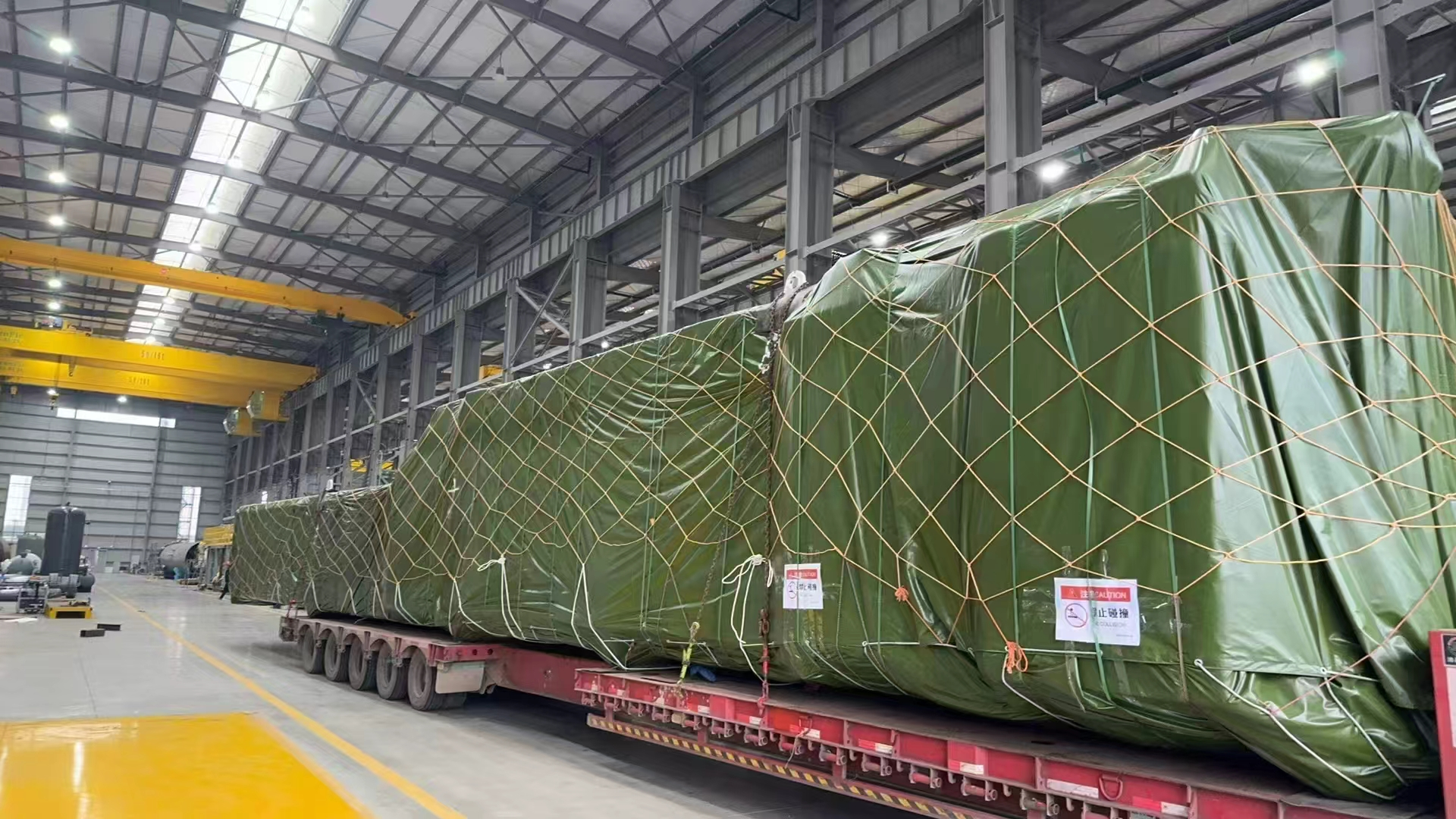
Food & Beverage: On-Site Oxygen for Modified Atmosphere Packaging and Nitrogen for Inerting
Small scale ASUs allow for accurate gas mixing right when needed for modified atmosphere packaging or MAP as it's commonly called. Instead of just using regular air, these systems create special blends of oxygen and nitrogen that stop bacteria growth while keeping food looking good, feeling right, and lasting longer on shelves. Freshness can last anywhere between half again as long up to four times longer depending on what kind of food we're talking about. When it comes to snack foods like chips or nuts, adding nitrogen stops them from going rancid. Same goes for freshly roasted coffee beans which stay fresher for longer periods. Many food processing plants actually save around 30 percent on their gas bills compared to buying from outside suppliers. Plus, they don't have to worry about running out if there are problems getting deliveries during tough times. For breweries, having control over oxygen levels onsite means better carbonation consistency throughout batches. Without proper control, flavors can get ruined because tiny changes in impurities make big differences in taste profiles.
Wastewater Treatment, Electronics Manufacturing, and Metal Fabrication Use Cases
Wastewater treatment facilities rely on compact air separation units to pump high quality oxygen into their aeration tanks. This boosts the breakdown process by around 40 percent, cuts down how long waste stays in the system, and shrinks sludge volumes all while keeping discharge levels within regulatory limits. For electronics makers, getting hold of extremely dry nitrogen with a dew point below minus 70 degrees Celsius is critical for protecting delicate soldering operations and wafer production. Semiconductor work demands nitrogen purity above 99.999%, something that can only be achieved through specialized purification steps built right into today's pressure swing adsorption systems. Metal shops have found great value in setting up their own oxygen supply for plasma and oxy fuel cutting jobs, plus using nitrogen as protection during laser welding. These practices cut down on bubbles in welds and save shop owners roughly $15,000 to $20,000 each year per workstation when compared to buying gas from outside suppliers.
Economic and Operational Advantages of On-Site Small-Scale Air Separation Units
Total Cost of Ownership: Comparing Bottled Gas, Liquid Delivery, and On-Site ASUs
When looking at their gas supply choices, companies generally have three main options to consider: bottled gas, bulk liquid deliveries, or installing on-site air separation units (ASUs). Bottled gas can get really expensive over time because businesses end up paying for cylinder rentals, various handling charges, and prices that jump anywhere from three to five times what they'd expect when volumes start getting moderate. The liquid delivery option does cut down on per unit costs, but it comes with its own set of problems like needing expensive cryogenic storage tanks, dealing with about 2% daily evaporation losses, plus the headache of fluctuating market prices. Small scale ASUs represent a different approach altogether. They do need a bigger initial investment upfront, but these systems actually offer the best value in the long run. Most businesses see their money back within around 12 to 24 months, after which running costs mainly involve electricity bills and regular maintenance checks. What makes this option so attractive is that it produces industrial gases at roughly 40 to 60 percent less than what companies would spend on delivered alternatives, plus it allows operations to easily scale up or down as needed without major disruptions.
Enhanced Supply Security, Regulatory Compliance, Safety, and Lower Carbon Footprint
When companies generate gases on site, they don't have to depend so much on outside suppliers anymore. This means a steady supply of gas for places where interruptions just won't do, like those cleanrooms used in making semiconductors or wastewater treatment plants that run all day every day. Being self sufficient makes it easier to meet industry standards too. Facilities can stay compliant with things like ISO 8573 for compressed air quality and the FDA rules about food grade gas purity without all the hassle. Plus there's less risk involved with dealing with those high pressure cylinders or getting cryogenic shipments delivered. Getting rid of gas transport alone can cut down Scope 3 emissions somewhere around 20 to 30 percent. And when facilities use energy efficient PSA systems, their overall carbon footprint gets even smaller. These on site air separation units require very little hands on maintenance and eliminate the need for storing gas elsewhere. That combination boosts how well operations hold up during disruptions and also helps improve those important ESG metrics companies track these days.
FAQ
Which technology is more energy-efficient, cryogenic or PSA?
Pressure Swing Adsorption (PSA) systems are more energy-efficient, consuming 30% to 50% less energy compared to cryogenic setups of similar capacity due to their streamlined process.
How long does it take to achieve payback for the initial investment in small-scale ASUs?
Many businesses typically see payback periods between 12 to 24 months for the initial investment in small-scale air separation units, thanks to lower long-term operational costs.
What industries benefit most from small-scale ASUs?
Industries such as food & beverage, wastewater treatment, electronics manufacturing, and metal fabrication benefit greatly from small-scale ASUs due to the precise gas mixing, enhanced oxygen production, and customized on-site generation capacities.
What is the main advantage of using small-scale air separation units?
Small-scale air separation units offer significant cost savings on industrial gases compared to bottled or bulk liquid deliveries. They allow for on-site generation, which reduces dependency on external suppliers, enhances supply security, supports regulatory compliance, and lowers carbon footprints by minimizing transport.