 EN
EN

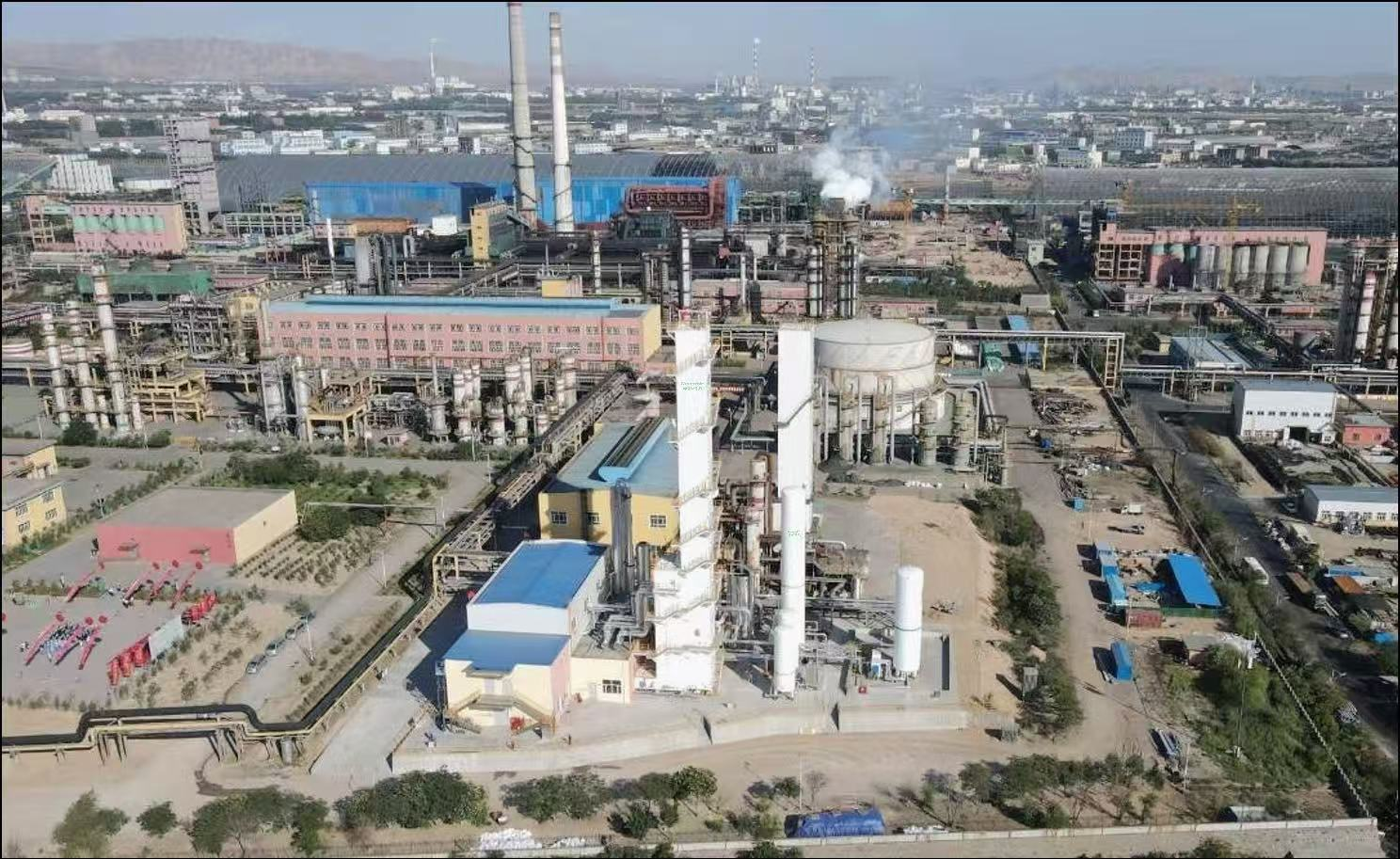
Align ASU Specifications with Your Operational Requirements in Air Separation Unit Manufacturer
Match capacity (TPD), product purity (% O₂/N₂/Ar), pressure, and duty cycle to plant demands
Getting the right size for an air separation unit manufacturer based on actual production needs saves money by avoiding both over and under sizing issues. When dealing with oxygen and nitrogen, going beyond 99.5% purity comes at a price tag. The Industrial Gas Report from 2023 shows that such high purity levels can actually increase energy costs by anywhere between 18 to 30 percent compared to standard grades ranging from 95 to 98%. Pressure specifications matter too depending on how the gas will be used. Pipeline injection usually needs at least 30 bar pressure, but bulk storage works just fine under 10 bar. Getting these numbers wrong affects everything from compressor choices to how efficient systems run and how often they need maintenance. How frequently the equipment runs makes a big difference as well. Plants running non stop all day every day need solid thermal management systems plus backup components. For facilities that operate only occasionally, quick start up times and stable performance when ramping down become much more important factors. Top manufacturers check all these details upfront through digital twin technology, making sure designs match what really happens on site during operation.
Cryogenic vs. non-cryogenic ASU: evaluating scalability, purity limits, and total cost of ownership
Cryogenic systems can produce oxygen at incredibly high purity levels, sometimes reaching as much as 99.999%, and they work well when scaling production beyond 100 tons per day. However, these systems come with hefty capital expenses and need specialized infrastructure for liquefaction processes. For smaller operations under 50 tons per day, non-cryogenic options like vacuum swing adsorption (VSA) and pressure swing adsorption (PSA) units make sense. They require less money upfront and get deployed quicker, but there's a tradeoff. The purity level tops out around 95% with these methods, and they generally consume more energy per kilogram produced compared to cryogenics. Looking at total cost of ownership isn't just about what happens right away. Cryogenic heat exchangers tend to lose between 7 to 12 percent efficiency each year if they aren't cleaned automatically. Meanwhile, replacing molecular sieves adds approximately 15% to operating costs for non-cryogenic systems after five years. Anyone shopping for an air separation unit should look closely at manufacturers that openly share all the cost factors related to energy usage, how often parts need replacing, and where their systems can scale effectively rather than focusing solely on the sticker price.
Assess Technical Competence and Manufacturing Quality of the Air Separation Unit Manufacturer
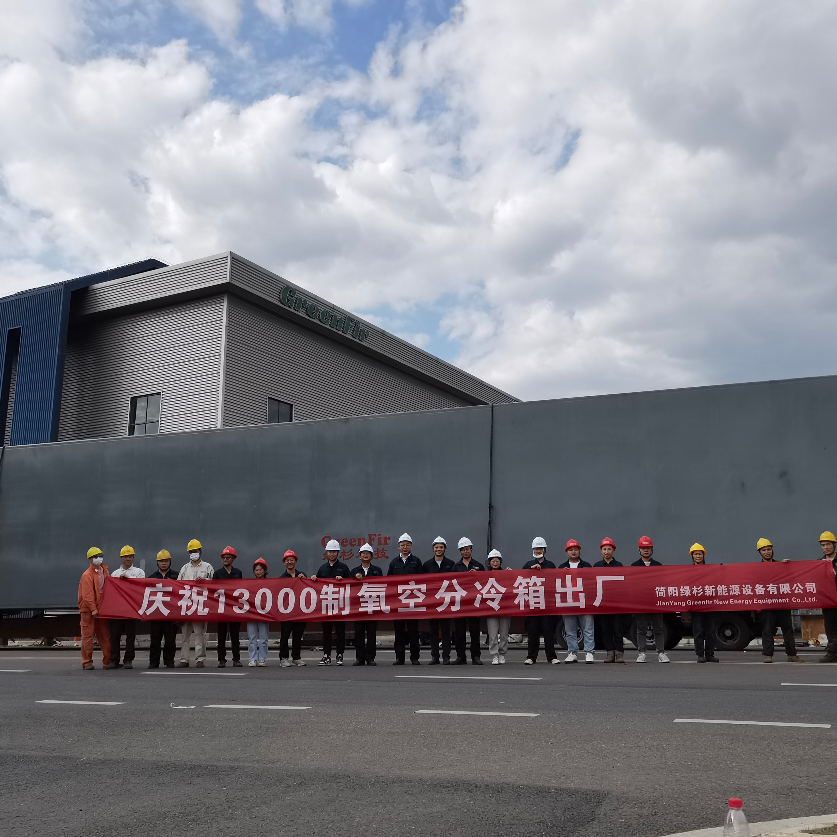
Cold box integrity, molecular sieve design, and compressor reliability as core quality indicators
The integrity of cold boxes plays a key role in how well systems maintain their thermal efficiency. Just one small vacuum leak can actually raise energy costs between 15 and 20 percent because warm air gets inside. When it comes to molecular sieves, their design really determines how effective they are at removing impurities. With properly optimized adsorption cycles, these systems can keep oxygen purity above 99.9 percent while cutting down on the amount of regeneration gas needed by as much as 12 percent. Looking at industrial maintenance records shows that compressor problems are still the biggest headache for cryogenic plants, causing around 43 percent of all unexpected shutdowns. These three components work together closely. Weak welding on cold boxes leads to faster insulation breakdown. And if compressors aren't sized right or aren't stable enough, they create pressure changes that mess up the sieve beds and lower overall purity levels. The best manufacturers test every part under extreme conditions long before shipping products out. They simulate what would happen over decades of operation in controlled lab settings to catch any potential issues early on.
Validation of cryogenic engineering expertise: ISO 15156 compliance, FAT rigor, and field performance history
For air separation units dealing with sour gas streams, following ISO 15156 standards isn't just recommended it's absolutely required. These rules help prevent those nasty sulfide stress cracks that can form in components working below minus 180 degrees Celsius. When it comes to Factory Acceptance Testing, many companies stop at checking off items on a list, but top tier manufacturers actually run their systems non-stop for three full days at maximum load conditions. They also test how well the equipment handles dropping down to just 30% capacity, which really puts the control systems through their paces. Looking at field performance data gives invaluable insights nobody else can match. Take a look at turboexpanders with documented mean times between failures stretching past 50 thousand hours, or check out how consistent product purity stays even when loads fluctuate dramatically. Real world reliability matters more than lab results ever will. Installations showing less than half a percent unplanned downtime each year speak volumes about long term dependability. Always compare FAT documentation against what actually happens during site commissioning to spot any discrepancies before investing in deployment.
Evaluate End-to-End Project Execution Capability
Integrated design–manufacturing–commissioning workflow: impact on schedule adherence and first-year operational expenditure
When design, manufacturing and commissioning work together seamlessly, companies tend to deliver projects on time and keep operating expenses stable in the first year. Factories that have their processes aligned cut down commissioning delays by about 40 percent compared to those with disconnected systems. How? Standardized documents help everyone stay on the same page. Finding clashes in 3D models while still in design phase saves headaches later. And when all teams share digital platforms, communication flows much better. The real benefit comes from avoiding expensive fixes during installation and making sure different parts of the system work together efficiently. This actually reduces energy usage in the first year by somewhere between 15 and 18 percent. An important step for commissioning teams is testing control logic with real loads rather than just looking at simulated numbers before handing things over. Doing this right shrinks the time spent fixing problems after startup and prevents around $2.3 million in lost productivity each year due to unexpected shutdowns according to PEMAC research from 2025. Companies that execute everything as one cohesive process typically finish projects weeks ahead of schedule compared to the industry norm of 22 week delays, which means they start seeing returns on investment much sooner.
Benchmark Energy Efficiency and Long-Term Reliability Using Verified Performance Data
Real world testing of energy efficiency using kWh per kg benchmarks across different scale operations from 5 to 100 tons per day helps predict actual lifetime costs much better. The numbers tell quite a story too - we've seen differences of over 30% in how much energy similar air separation units consume, which obviously affects bottom line expenses. Most efficiency losses over time come from heat exchanger fouling problems accounting for around 60 to 70% of degradation. Companies that invest in those special anti-fouling coatings tend to maintain about 15% better performance throughout their five year operating cycle. Control systems matter big time as well. Plants with really responsive distributed control systems that can make adjustments in milliseconds report roughly 40% fewer issues with product purity when there are sudden load changes. So when looking at potential suppliers for air separation units, don't just take their word for it. Ask specifically for independent verification of these key performance indicators instead of relying solely on marketing materials. This approach gives much clearer picture of what to expect in terms of costs and production continuity down the road.
FAQ
What is the importance of choosing the right ASU size?
Choosing the right size for an air separation unit (ASU) based on actual production needs is crucial as it helps save money by avoiding both oversizing and undersizing issues.
How do cryogenic and non-cryogenic ASUs differ?
Cryogenic ASUs can produce higher purity oxygen and are more suitable for larger scales, whereas non-cryogenic options like VSA and PSA are more cost-effective for smaller operations but have lower purity limits.
What should be considered when assessing a manufacturer’s project execution capabilities?
It is important to evaluate the manufacturer’s ability to integrate design, manufacturing, and commissioning effectively, leading to better schedule adherence and reduced first-year operational costs.
How can I verify the energy efficiency and reliability of an ASU?
Request independent verification of key performance indicators rather than solely relying on marketing materials to gauge the energy efficiency and long-term reliability of an air separation unit.
Why is technical competence important in selecting an air separation unit manufacturer?
Technical competence ensures that the cold box integrity, molecular sieve design, and compressor reliability are maintained, which are critical indicators of an ASU's core quality and operational efficiency.
Table of Contents
- Align ASU Specifications with Your Operational Requirements in Air Separation Unit Manufacturer
- Assess Technical Competence and Manufacturing Quality of the Air Separation Unit Manufacturer
- Evaluate End-to-End Project Execution Capability
- Benchmark Energy Efficiency and Long-Term Reliability Using Verified Performance Data
-
FAQ
- What is the importance of choosing the right ASU size?
- How do cryogenic and non-cryogenic ASUs differ?
- What should be considered when assessing a manufacturer’s project execution capabilities?
- How can I verify the energy efficiency and reliability of an ASU?
- Why is technical competence important in selecting an air separation unit manufacturer?