 EN
EN

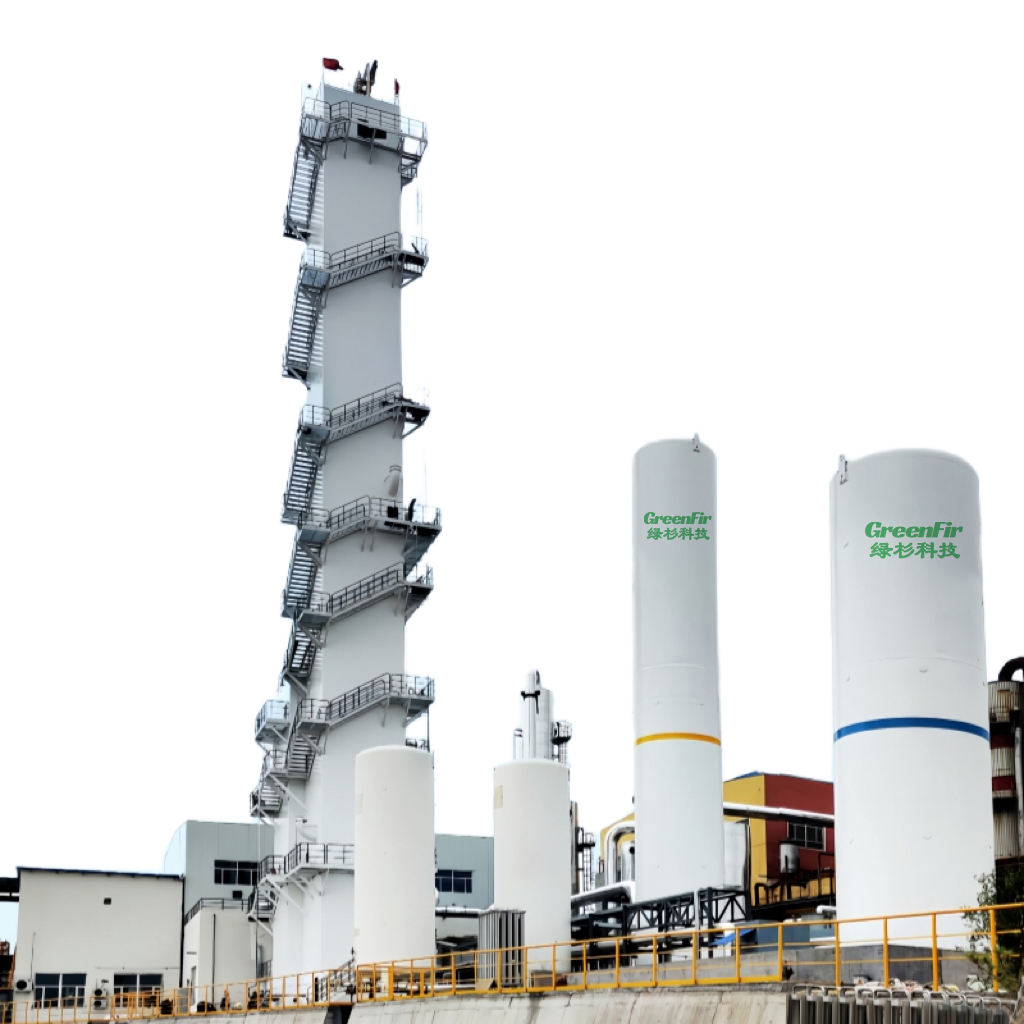
Core Oxygen Generation Air Separation Technologies and Selection Criteria
PSA, Membrane, and Cryogenic Systems: Performance, Purity, and Scalability Trade-offs
When it comes to generating oxygen on site which uses oxygen generation air separation, there are basically three main approaches: pressure swing adsorption (PSA), membrane separation, and cryogenic distillation. Let's start with PSA systems. These typically use zeolite materials as adsorbents and can produce oxygen with around 90 to 95% purity, which meets medical standards. They consume moderate amounts of energy, roughly between 0.4 and 0.6 kWh per cubic meter, and their capacity ranges from small setups handling 5 cubic meters per hour up to larger installations at 100 cubic meters per hour. Membrane technology stands out because it can be deployed quickly and runs very efficiently, using less than 0.3 kWh per cubic meter. However, these systems max out at about 30 to 45% oxygen purity, so they're mostly used for things like boosting combustion air in industrial processes where high purity isn't necessary. Then we have cryogenic distillation, which delivers extremely pure oxygen over 99.5% purity needed for critical applications like steel manufacturing and specialty gases. But this method requires significant upfront investment in infrastructure and consumes more energy, around 0.8 to 1.2 kWh per cubic meter. For most businesses, cryogenic makes financial sense only when daily production needs exceed approximately 100 tons. Looking at all options, the basic pattern holds true the higher the purity level, the greater the energy demand. Cryogenics wins when purity absolutely cannot compromise, PSA offers the best mix for hospitals and medium scale operations, while membranes shine in situations where lower purity is acceptable and cost remains a primary concern.
Energy Efficiency Benchmarks and Purity Thresholds by Application (Medical, Industrial, Lab)
The specific needs of different applications determine which technologies get chosen based on what level of purity and efficiency makes sense. For medical oxygen, there are strict requirements that need to be met including ISO 8573-1 Class 1 and ISO 13485 standards. The purity has to be around 93% give or take 3%, with very tight controls on things like hydrocarbons that must stay below 0.1 parts per million. Moisture content needs to have a dew point no higher than -70 degrees Celsius, and microbial contamination must also be kept within acceptable limits. These specifications are usually delivered through PSA systems that consume between 0.4 and 0.6 kilowatt hours per normal cubic meter, and most setups include some form of redundancy for reliability.
Industrial applications look completely different though. Steel manufacturers depend on cryogenic oxygen with over 99.5% purity, requiring about 0.8 to 1.2 kWh per Nm³. On the other hand, many chemical oxidation processes work just fine with oxygen from membranes at only 30 to 45% purity levels, using significantly less energy at around 0.3 kWh per Nm³. Labs generally want something in the middle range too, aiming for 95 to 99% purity for their analytical instruments. This is commonly achieved using modular PSA units that typically consume between 0.5 and 0.7 kWh per Nm³. An important thing to remember is that getting higher purity comes at a cost in terms of energy efficiency. When applications don't need more than 50% purity, membrane systems can cut energy consumption by half to two thirds compared to cryogenic methods. Matching equipment capabilities exactly to what's needed for each particular application helps keep both initial investment costs and ongoing operating expenses right where they should be.
Regulatory Compliance and Safety-Critical Design for Medical Oxygen Plants
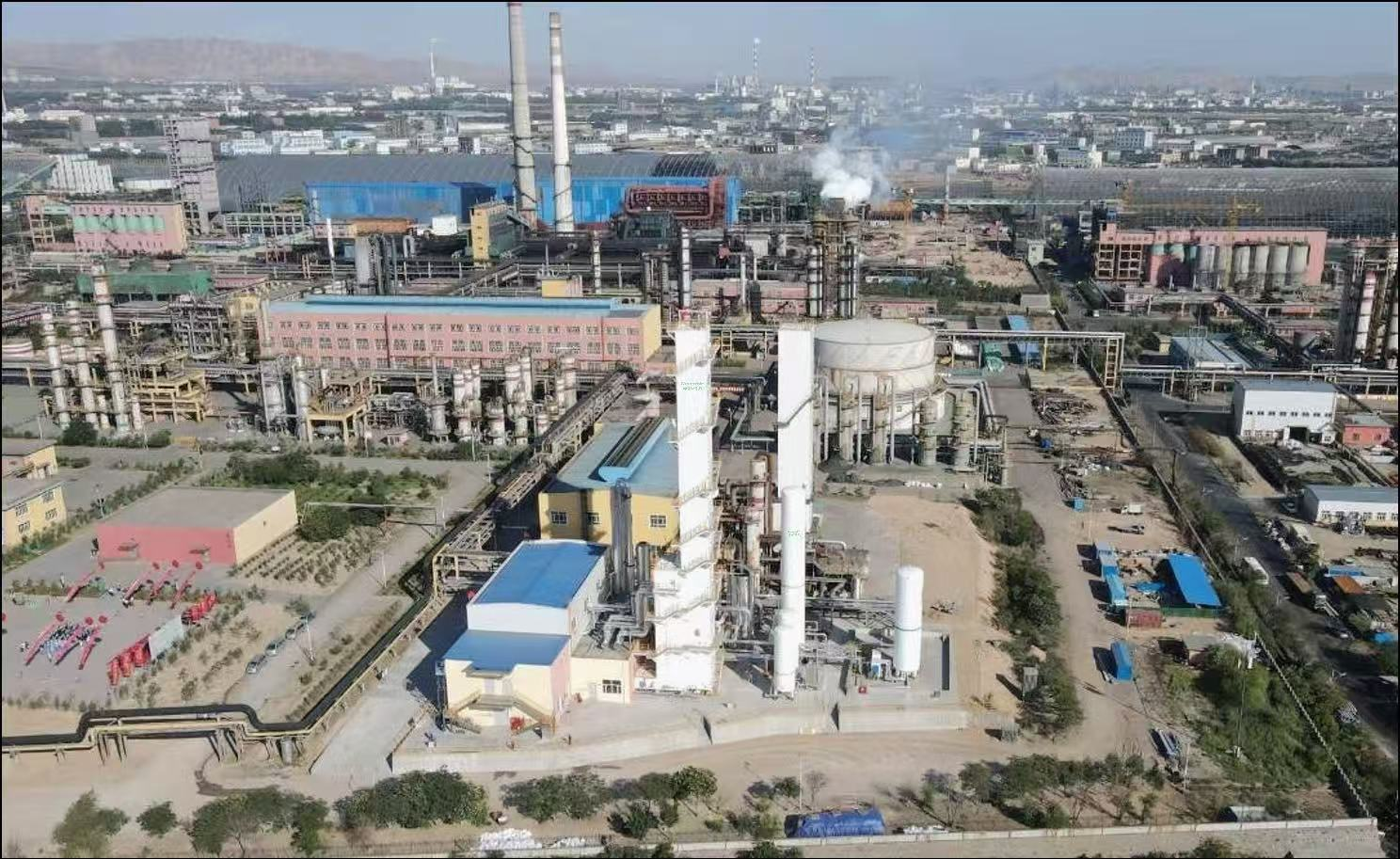
Achieving ISO 8573-1 Class 1 Air Quality and On-Site Validation Requirements
For medical oxygen production facilities, compliance with ISO 8573-1 Class 1 standards is non-negotiable. These standards specify minimum requirements such as at least 99.5% pure oxygen, hydrocarbons below 0.1 parts per million, particles no larger than half a micrometer, and dew points reaching down to minus 70 degrees Celsius. The validation process involves regular site visits every three months where technicians run tests using gas chromatography mass spectrometry equipment to check what's actually in the gas stream. They also collect samples on agar plates to look for any microbes that might have slipped through, plus they verify moisture levels with properly calibrated hygrometers. All these checks need thorough documentation too. Plants should keep detailed calibration logs, track changes over time, and install systems that monitor purity continuously. When something goes wrong and crosses safety limits, the system needs to shut down automatically. This approach aligns with World Health Organization recommendations and meets the strict requirements set forth by regulatory bodies like the Food and Drug Administration and European Medicines Agency.
Spatial Layout, Redundancy Planning, and Emergency Supply Integration for Healthcare Facilities
When designing systems where safety matters most, the starting point is always physical separation. Compression areas need to be kept apart from separation and storage sections using proper fire rated barriers. The buffer tanks should hold enough capacity for at least 48 hours worth of maximum demand requirements. For hospitals, having dual circuit setups makes all the difference. These systems automatically switch over when there's maintenance work happening or if power goes out, making sure that intensive care units and operating rooms never lose their oxygen supply. There are several important integration points to consider too. Emergency connections to those high pressure cylinder banks are essential. Hospitals located in regions prone to earthquakes require special seismic bracing for equipment stability. And don't forget about installing ambient oxygen sensors throughout the facility to watch for dangerous levels of oxygen buildup. Comprehensive risk assessments across the entire hospital help determine how supplies get routed through different areas while following NFPA 99 standards. This ensures that oxygen lines stay away from potential ignition points and keeps critical care departments running smoothly even under challenging conditions.
Key Equipment Sizing and Specification in Oxygen Generation Air Separation Systems
Getting the right size and specs for core components makes all the difference when it comes to system reliability, how efficiently things run, and meeting regulations. For air compressors, they need to produce oil-free output between 6 and 10 bar pressure to keep molecular sieves and filters working properly. Most setups require three stages of filtration usually involving coalescing filters first, then activated carbon, followed by desiccant stages to hit that ISO 8573-1 Class 1 standard for inlet air quality. When it comes to separation units like PSA towers, membrane modules, or cryogenic columns, getting the dimensions just right matters a lot for both flow rate and purity requirements. Medical applications generally want oxygen concentrations of at least 93%, whereas industrial needs vary quite a bit from around 10 to 500 cubic meters per hour. Storage tanks should hold enough gas to cover at least 30 minutes of peak demand periods. Monitoring systems need to constantly check on purity levels, pressure readings, dew points, and hydrocarbon content too. Energy consumption figures for PSA systems tend to fluctuate depending on who's reporting them. Well designed systems typically run somewhere between 0.4 and 0.6 kilowatt hours per cubic meter, which is much better than the often quoted but misleading 1.0 to 1.4 kWh/Nm³ numbers seen for systems that aren't properly optimized or have undersized compressor equipment. Another big plus is modular scalability. Most modern systems allow expansion of capacity by roughly 20 to 30% simply by adding more adsorption vessels or membrane stacks instead of replacing the entire system.
FAQs
Which oxygen generation method provides the highest purity?
Cryogenic distillation provides the highest purity, delivering oxygen with over 99.5% purity.
Is there a difference in energy consumption among different systems?
Yes, energy consumption varies among systems: PSA typically uses 0.4-0.6 kWh per cubic meter, membrane systems use less than 0.3 kWh, and cryogenic systems require 0.8 to 1.2 kWh per cubic meter.
What regulations must medical oxygen plants comply with?
Medical oxygen plants must comply with ISO 8573-1 Class 1 and ISO 13485 standards, which include minimum purity and safety requirements.
What are the main oxygen generation air separation methods?
The main oxygen generation methods include Pressure Swing Adsorption (PSA), membrane separation, and cryogenic distillation.