 EN
EN

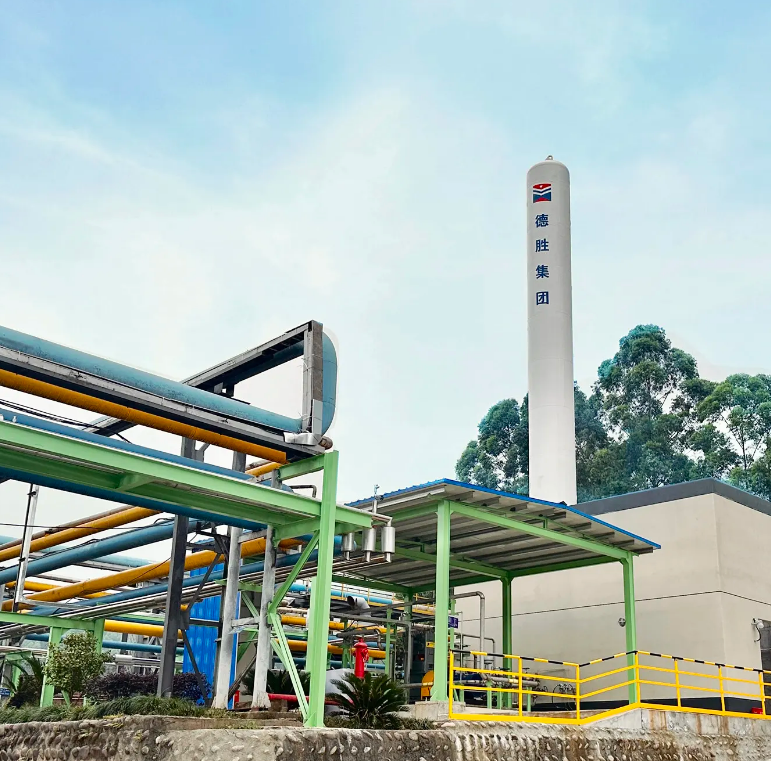
What Makes a Gas Plant EPC Contractor Different From Other Industrial Builders
Gas processing and liquefaction facilities operate under a distinct set of constraints that separate them from standard industrial construction. The feedstocks are often sour, the pressures run high, and the cryogenic temperatures push metallurgy to its limits. An EPC contractor working in this space needs more than project management chops — they need process-specific engineering depth that most generalist firms simply do not carry.
Take the front-end loading phase alone. A typical gas plant involves multiple unit operations: inlet separation, acid gas removal, dehydration, NGL extraction, and either liquefaction or further treatment. Each unit has its own design basis, and the interactions between them create pinch points that only become obvious during detailed engineering. Contractors with a track record in gas plants know where to look for these interactions early. Those without it tend to discover them during commissioning — an expensive time to find out.
The global oil and gas EPC market was estimated at roughly $479 billion in 2025, with projections reaching about $604 billion by 2030 at a compound annual growth rate of 4.76%. Within that massive figure, gas-focused EPC work represents a growing slice, driven by LNG export capacity expansions and the push for cleaner-burning fuels. But market size doesn't translate to contractor capability. The real differentiator sits in the details of execution.
The Real Cost of Picking the Wrong Partner
A project delay on a gas plant doesn't just push back the startup date — it eats into the window when feedgas contracts are priced favorably, and it strains the relationships with offtakers who are counting on that volume. The financial exposure is substantial.
Industry data shows that equipment shortages and rising costs for materials and labor have driven up the cost of constructing new LNG plants by 25% to 30% over the past five years. Wages alone have increased roughly 20% in that same period. These aren't abstract numbers; they show up directly in the EPC contractor's bid and, more importantly, in their ability to hold the line on cost throughout execution.
Consider what happened at a major U.S. Gulf Coast LNG project a few years back. The lead contractor filed for bankruptcy when the project was roughly 75% complete, leaving owners scrambling to find a replacement and pushing the startup timeline out by more than a year. The contract value sat at around $5.8 billion. That's the kind of exposure that keeps project sponsors awake at night.
A competent gas plant EPC contractor builds contingency planning into the baseline schedule, not as an afterthought. They maintain relationships with multiple equipment fabricators so that a bottleneck at one shop doesn't become a project-wide stoppage. They also structure procurement packages to stagger long-lead deliveries, so the critical path doesn't get held up by a single compressor skid that's stuck in transit.
Technical Competencies That Separate the Pros From the Rest
Gas plants are defined by their rotating equipment and heat exchange systems. A contractor that doesn't understand the nuances of compressor selection, for instance, will struggle to deliver a plant that meets its nameplate capacity.
API standards provide the common language here. API 618 governs reciprocating compressors, while API 619 covers rotary compressors — both are widely specified in gas processing and LNG applications. An EPC contractor with genuine depth in this area doesn't just specify to the standard; they understand the trade-offs between different compressor types for a given service. Reciprocating compressors handle high-pressure, low-flow conditions well, but they come with maintenance intensity that rotary machines avoid. The right choice depends on the specific duty cycle and the operator's maintenance philosophy.
Beyond compressors, the cryogenic heat exchangers in LNG service demand careful attention. These are not off-the-shelf items. They require specialized fabrication techniques, and the metallurgy must be matched to the specific gas composition to avoid embrittlement or corrosion over the plant's operating life.
A contractor that has delivered multiple gas plants will have established relationships with qualified fabricators who hold the necessary ASME certifications. They'll also have a clear understanding of the inspection and testing protocols that need to happen at the shop floor, not just at site acceptance. Catching a weld缺陷 at the fabricator's yard saves months compared to finding it during pre-commissioning.
Project Execution: The On-the-Ground Reality
Theory and practice diverge sharply once construction kicks off. A well-engineered plant on paper can become a nightmare in the field if the EPC contractor doesn't have strong construction management.
One mid-sized gas processing facility in Southeast Asia ran into exactly this problem. The engineering package was solid — designed by a reputable firm with plenty of gas plant experience. But the EPC contractor assigned a construction team that had never worked on a cryogenic service before. They didn't understand the importance of keeping certain piping circuits free of moisture during installation, and they didn't follow the purging and drying procedures to the letter. The result? Ice plugs formed in several sections of the main heat exchanger during the cooldown phase. The team had to cut out and replace damaged spools, adding eight weeks to the schedule and pushing the budget over by nearly 12%.
That kind of outcome is avoidable. Experienced gas plant EPC contractors treat the construction phase with the same rigor they apply to engineering. They have dedicated commissioning teams that get involved during the later stages of construction, not after mechanical completion. They run pre-commissioning checks in parallel with installation so that issues are caught while there's still time to fix them without disrupting the critical path.
The difference between a contractor that has "done gas plants before" and one that has truly internalized the lessons from those projects shows up in the field. The former might have the right certificates on the wall. The latter has the battle scars and the checklists to prove they know what actually goes wrong.
Making the Right Call During Contractor Selection
Selecting a gas plant EPC contractor isn't just about comparing bids. The lowest price often comes with the highest risk, especially in a market where qualified contractors are in short supply.
| Selection Criterion | Why It Matters | Red Flag to Watch For |
|---|---|---|
| Recent gas plant delivery track record | Demonstrates current capability and lessons learned | More than five years since last similar project |
| In-house process engineering team | Reduces reliance on subcontracted design work | Heavy outsourcing of core process design |
| Supplier relationships for long-lead equipment | Protects schedule against fabrication bottlenecks | Vague answers about compressor or cold box sourcing |
| Commissioning and startup experience | Determines how smoothly the plant transitions to operations | Startup treated as an afterthought in the execution plan |
The evaluation should include site visits to at least one recently completed project. Talk to the operations team, not just the project managers. Ask about the punch list items that lingered after turnover and how the contractor handled them. Those conversations reveal more about a contractor's true capability than any proposal document ever will.
EPC contractor selection for LNG projects typically considers track record in similar facilities, engineering capabilities, execution planning, safety management, bid price, and proposed schedule. Brownfield experience and proven delivery on LNG trains remain decisive, especially in frontier markets where logistics and execution risk are elevated. A contractor that has successfully navigated those conditions brings a level of practical knowledge that no amount of desktop planning can replicate.
The Bottom Line on Gas Plant EPC Partnerships
Gas plants are complex, capital-intensive, and unforgiving of mistakes. The EPC contractor sits at the center of that complexity, coordinating engineering, procurement, and construction into a coherent whole. Getting that choice right means the difference between a project that comes in on time and on budget and one that becomes a case study in what went wrong.
Contractors with deep gas plant experience bring more than technical knowledge to the table. They bring relationships with suppliers who have proven themselves, construction teams who have worked together before, and a practical understanding of where the risks actually live. They also know when to push back on owner requests that sound good in theory but create execution problems down the line.
The market is only going to get more competitive as LNG capacity continues to expand and older gas processing facilities require upgrades. Owners who take the time to evaluate contractors rigorously — looking beyond the glossy proposals and into the actual track record — will be the ones who sleep better at night. The rest will be left hoping that the low bidder somehow delivers.
For gas plant projects where reliability and predictable execution matter, Greenfir brings manufacturing capability, supply chain integration, and quality-focused project delivery to the table — with a track record that includes over 100 sets of natural gas purification and liquefaction plants delivered across multiple markets.
Table of Contents
- What Makes a Gas Plant EPC Contractor Different From Other Industrial Builders
- The Real Cost of Picking the Wrong Partner
- Technical Competencies That Separate the Pros From the Rest
- Project Execution: The On-the-Ground Reality
- Making the Right Call During Contractor Selection
- The Bottom Line on Gas Plant EPC Partnerships