 EN
EN

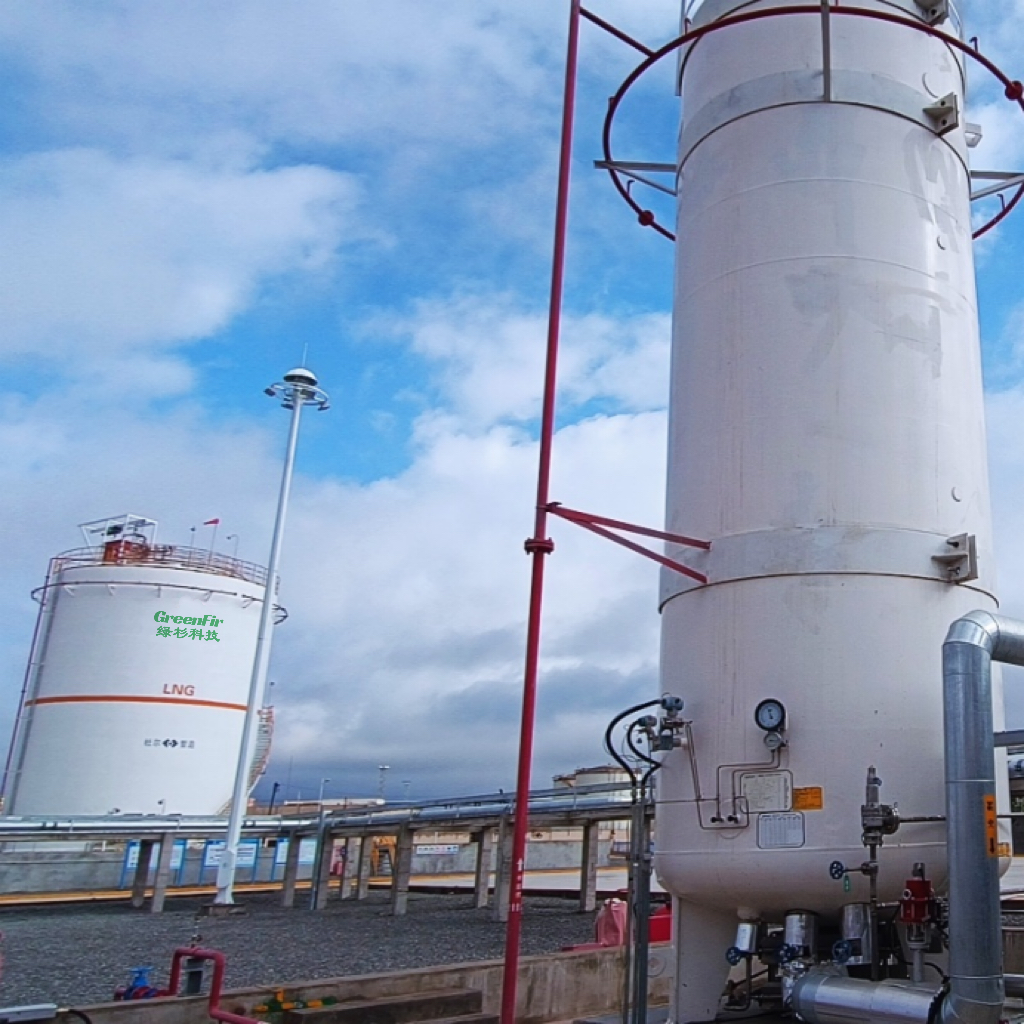
Hydrogen Production Integration with Gas Equipment
Coupling Electrolyzers (PEM/SOEC) with Gas Processing Units for Co-located Hydrogen Production
Integrating Proton Exchange Membrane (PEM) or Solid Oxide Electrolyzer Cell (SOEC) systems with natural gas processing infrastructure enables on-site hydrogen production at industrial facilities. This co-location eliminates transport-related energy losses and capital expenditure—avoiding compression and distribution for up to 40% of current industrial hydrogen demand. Key integration opportunities include thermal recovery of electrolyzer waste heat for process heating, shared high-purity water treatment systems, and unified digital control platforms that synchronize hydrogen output with gas processing loads.
Real-time gas composition monitoring ensures dynamic optimization of electrolyzer operation, while immediate hydrogen use in adjacent units—such as amine regeneration or sulfur recovery—enhances overall system efficiency. Integrated design has demonstrated up to 18% primary energy savings compared to standalone electrolysis and trucked delivery models.
Material and Control System Upgrades to Enable Hydrogen-Ready Gas Equipment
Existing gas infrastructure requires targeted upgrades to safely accommodate hydrogen’s distinct physicochemical properties—particularly its small molecular size, high diffusivity, and susceptibility to embrittlement. Austenitic stainless steels (e.g., 316L), nickel-based alloys, and hydrogen-resistant polymer seals replace carbon steel components in pipelines, valves, and flanges. Control systems must integrate fast-response hydrogen concentration sensors and recalibrated safety interlocks that account for hydrogen’s wide flammability range (4–75% in air) and rapid flame speed.
Critical upgrades include:
- Hydrogen-compatible elastomeric seals and gaskets rated for cyclic pressure and temperature
- Leak detection systems with sub-1 ppm sensitivity using laser absorption or catalytic bead technology
- Burner modifications—such as staged injection and swirl stabilization—to maintain stable combustion across 0–30% hydrogen-methane blends
- Pressure regulators and flow control valves certified for hydrogen service per ASME B31.12
These measures support safe, uninterrupted operation at up to 30% hydrogen blending without requiring full system replacement.
Retrofitting Gas Infrastructure for Hydrogen Blending
Pipeline, Compressor, and Metering Modifications for Safe Hydrogen-Natural Gas Transport
Retrofitting existing natural gas infrastructure for hydrogen blending demands focused engineering responses to hydrogen’s lower density, higher diffusivity, and embrittlement potential. Pipeline segments prone to hydrogen-induced cracking—especially older carbon steel sections under cyclic stress—are upgraded with polyethylene (PE) piping, composite liners, or hydrogen-resistant alloy replacements. Compressor stations require redesigned shaft seals, hydrogen-compatible lubricants, and enhanced bearing cooling to manage hydrogen’s low viscosity and high thermal conductivity.
Metering accuracy degrades significantly with hydrogen blends due to shifts in calorific value and compressibility. Ultrasonic and thermal mass flow meters—calibrated for variable gas compositions—deliver reliable measurement across 5–20% hydrogen blends. Pressure regulation systems are adjusted to maintain consistent energy delivery, compensating for hydrogen’s lower volumetric energy density through controlled flow rate increases.
European pilot programs—including the HyWay 27 initiative and German network trials—have validated safe, long-term transmission of up to 20% hydrogen in existing grids. Such retrofits extend asset life at 30–50% of the cost of greenfield hydrogen infrastructure, while maintaining compliance with ASME B31.12 standards for hydrogen piping and pipelines.
Operational Safety and Combustion Reliability in Hydrogen-Integrated Plants
Mitigating Flashback, Blowoff, and Turbine Instability in Hydrogen-Fueled Gas Turbines
Hydrogen’s low minimum ignition energy and high laminar flame speed increase risks of flashback—flame propagation into fuel supply lines—and lean blowoff during transient operation. These hazards are mitigated through purpose-engineered burner systems featuring flame arrestors, dilution staging, and dynamic swirl stabilizers that anchor the flame front under varying load and blend conditions. Real-time adaptive control systems continuously adjust fuel-air ratios based on hydrogen concentration feedback, preventing operation near instability boundaries.
Acoustic dampeners and segmented fuel injection reduce thermoacoustic oscillations caused by hydrogen’s rapid combustion. Together, these adaptations enable stable, efficient turbine operation across 20–100% hydrogen fuel blends—preserving mechanical integrity and maintaining 98% of baseline efficiency in field-proven configurations.
Hydrogen Embrittlement, Leak Detection, and Regulatory Compliance in Mixed-Gas Systems
Hydrogen embrittlement remains a critical materials challenge in mixed-gas systems: atomic hydrogen permeates carbon steel microstructures under pressure, initiating microcracks that propagate under cyclic loading. Mitigation strategies include phased replacement with austenitic stainless steels or nickel alloys, internal thermally sprayed aluminum coatings, and rigorous non-destructive testing—specifically phased array ultrasonic testing (PAUT)—conducted every 12 months per NFPA 2 guidance.
Leak detection requires specialized instrumentation: distributed laser-based hydrogen sensors detect concentrations down to 1% LFL (Lower Flammability Limit), while tracer gas methods (e.g., helium co-injection) improve localization in buried or confined infrastructure. Regulatory compliance hinges on adherence to NFPA 2 (Hydrogen Technologies Code) and ASME B31.12, which mandate pressure derating for hydrogen service, double mechanical seals on rotating equipment, and third-party material certification verifying performance under hydrogen exposure conditions.
FAQ
What are the main benefits of integrating PEM or SOEC systems with gas processing units?
Integration enables on-site hydrogen production, reducing transport-related energy losses and costs. It also allows for thermal recovery, shared water treatment systems, and synchronized digital control, improving efficiency.
Why is hydrogen embrittlement a concern for gas infrastructure?
Atomic hydrogen can permeate materials like carbon steel, causing microcracks under stress. Addressing this requires special materials like austenitic stainless steel or nickel alloys and regular non-destructive testing.
How is operational safety maintained in hydrogen-integrated plants?
Safety is ensured through adaptive control systems, burner modifications, flame arrestors, and acoustic dampeners that mitigate risks like flashback and thermoacoustic oscillations.
What upgrades are necessary for retrofitting infrastructure for hydrogen blending?
Upgrades include hydrogen-resistant piping, redesigned compressor systems, calibrated metering systems, and adjustments to pressure regulation systems to compensate for hydrogen’s unique properties.
Can existing gas systems handle hydrogen blends without major replacements?
Yes, with targeted upgrades, most existing systems can safely support up to 30% hydrogen blending, avoiding the cost of complete replacements.
Table of Contents
- Hydrogen Production Integration with Gas Equipment
- Retrofitting Gas Infrastructure for Hydrogen Blending
- Operational Safety and Combustion Reliability in Hydrogen-Integrated Plants
-
FAQ
- What are the main benefits of integrating PEM or SOEC systems with gas processing units?
- Why is hydrogen embrittlement a concern for gas infrastructure?
- How is operational safety maintained in hydrogen-integrated plants?
- What upgrades are necessary for retrofitting infrastructure for hydrogen blending?
- Can existing gas systems handle hydrogen blends without major replacements?