 EN
EN



Gas-to-Chemicals (GTC) Systems
The industry that uses natural gas as a feedstock to produce a range of high-value-added chemical products through chemical conversion.
Description
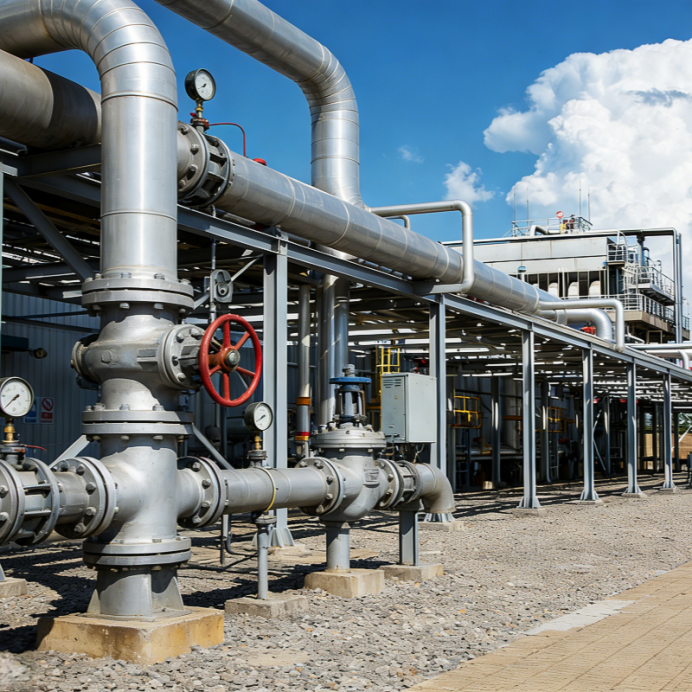
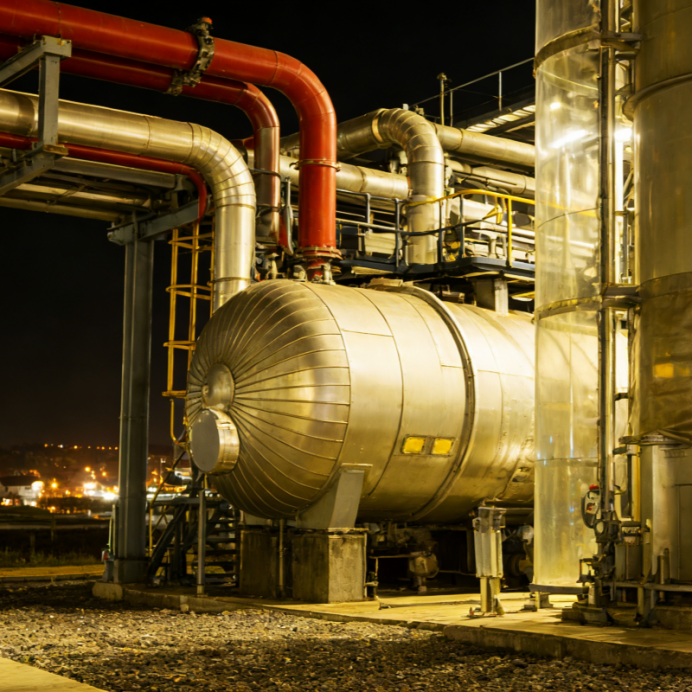
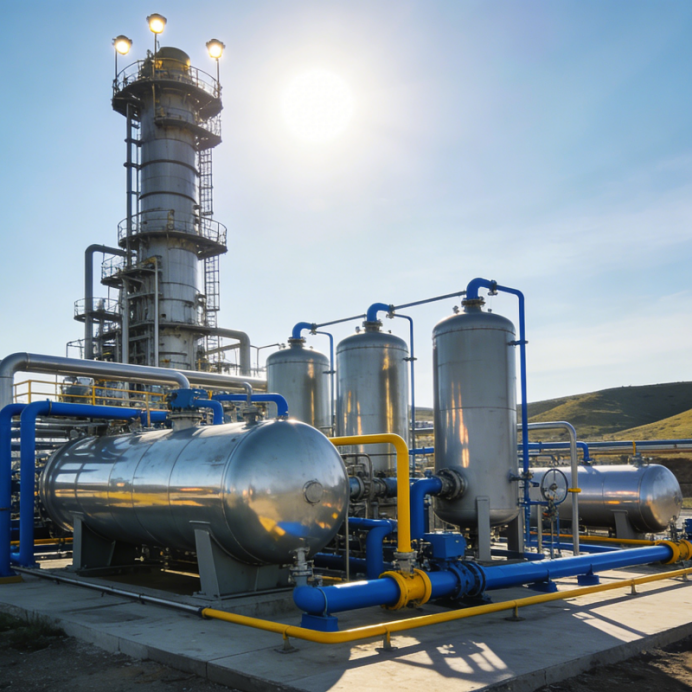
The chemical processing equipment sector enables the efficient conversion of natural gas/coke oven gas into high-value-added chemical products. Through core technologies such as steam reforming, autothermal reforming, and isothermal shift, syngas is produced and further synthesized into hydrogen, synthetic ammonia, methanol, urea, and other products. It is suitable for regions rich in natural gas resources, comprehensive utilization of coke oven gas, hydrogen energy industrial bases, and large-scale fertilizer and chemical industrial parks. The equipment load adjustment range is 40% to 110%, utilizing advanced technologies such as microchannel reactors and radial reaction towers to reduce energy consumption and investment. The highly integrated design reduces the footprint by 40%, and the intelligent control system enables full-plant emergency shutdowns, automatic load tracking, and remote diagnostics.
·Natural Gas Steam Reforming for Syngas Production Process Description:
Natural gas is compressed to 3.5 MPa, finely desulfurized to ≤0.1 ppm, and mixed with process steam at a molar ratio of 3.5 times. It then enters the steam reforming furnace, where methane is reformed at 800–900°C and 2–3 MPa over a nickel catalyst, achieving a methane conversion rate ≥95%. Syngas with an H₂/CO ratio of approximately 3.0 is produced, with energy consumption ≤27 GJ per ton of ammonia.
·Syngas to Hydrogen Process Description:
Syngas undergoes medium-temperature shift to convert CO into H₂ and CO₂, followed by pressure swing adsorption (PSA) purification to obtain hydrogen with purity ≥99.99% and a recovery rate ≥85%. The desorption gas is returned to the reforming furnace as fuel, and the hydrogen is supplied externally to hydrogen refueling stations or refining units.
·Syngas to Synthetic Ammonia Process Description:
Purified syngas is mixed with nitrogen from air separation at an H₂/N₂ ratio of 3.0, compressed to 14–16 MPa, and fed into a radial ammonia synthesis tower. Ammonia is synthesized over an iron-based catalyst at 400–450°C, with a single-pass conversion rate ≥18%. Liquid ammonia is obtained after freezing separation.
·Syngas to Methanol Process Description:
Syngas is compressed to 5–8 MPa and synthesized into crude methanol over a copper-based catalyst at 220–260°C. The reaction heat produces 2.5 MPa steam as a by-product. AA-grade refined methanol is obtained through three-tower distillation, with comprehensive energy consumption ≤28 GJ per ton of methanol and catalyst life ≥3 years.
·Manufacturing, Installation, and Commissioning Period:
Utilizing modular design, core equipment such as reforming furnaces and synthesis towers are prefabricated in the factory and assembled on-site. The total project duration from contract signing to successful commissioning is 10–12 months.
FAQS
Q1.Are you a manufacturer or a trading company?
We are a professional manufacturer in the cryogenic equipment field.
Q2.What's your advantage?
We provide you not only technology-leading, stable and reliable, cost-efficient equipment, but also solutionsand after-sales service.
Q3.Have your engineers participated in any foreign projects?
Yes, our engineers have more than 15 years of experience in this field and have participated in the design, manufacturing, installation, and commissioning of the equipment in Turkey, Egypt, Myanmar, etc.
Q4.How can I get the exact price of the product?
Please tell us your specific requirements and environmental data,so we can provide the most suitable products and solutions for you.