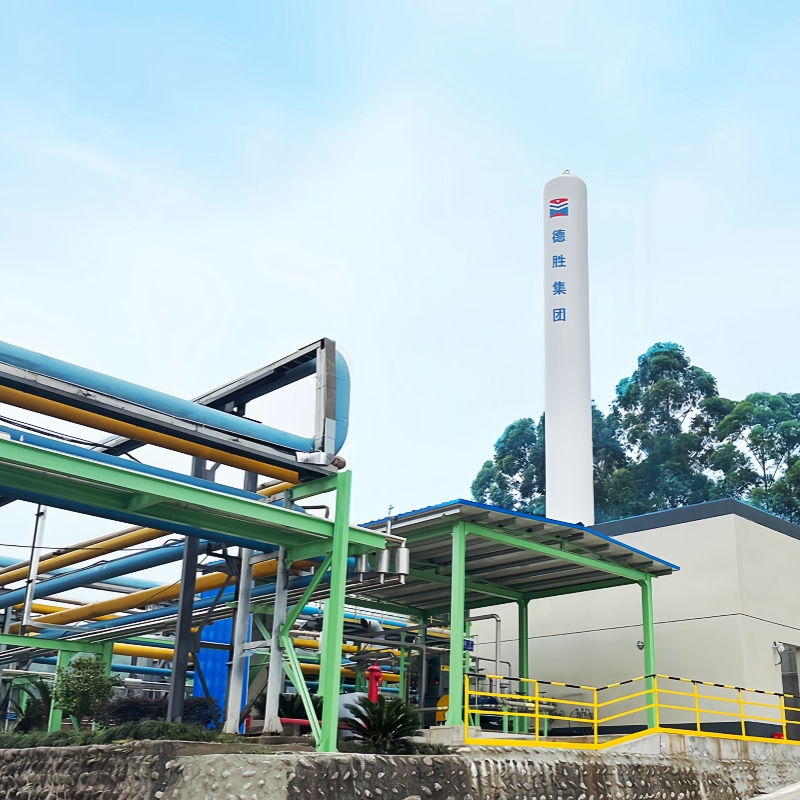
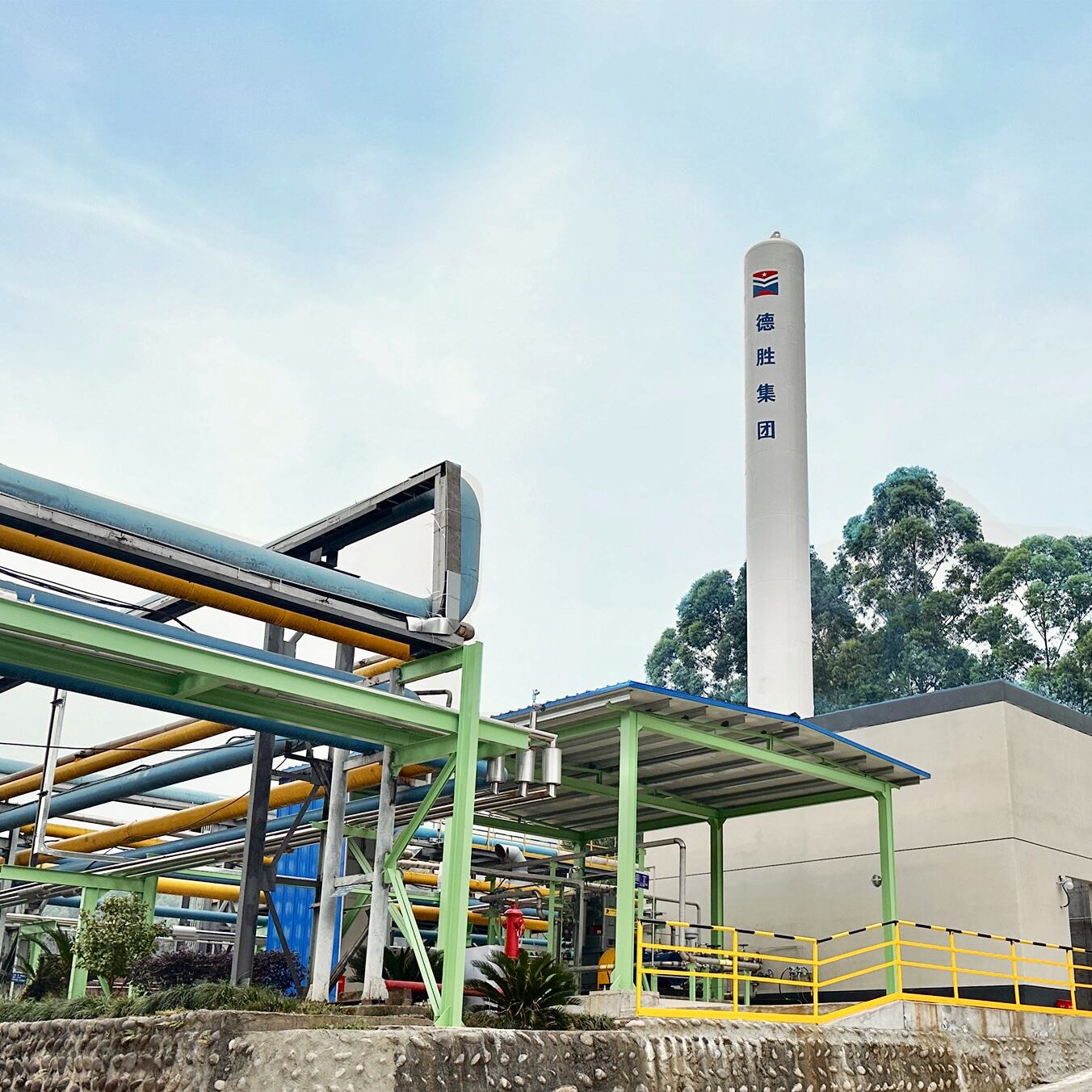
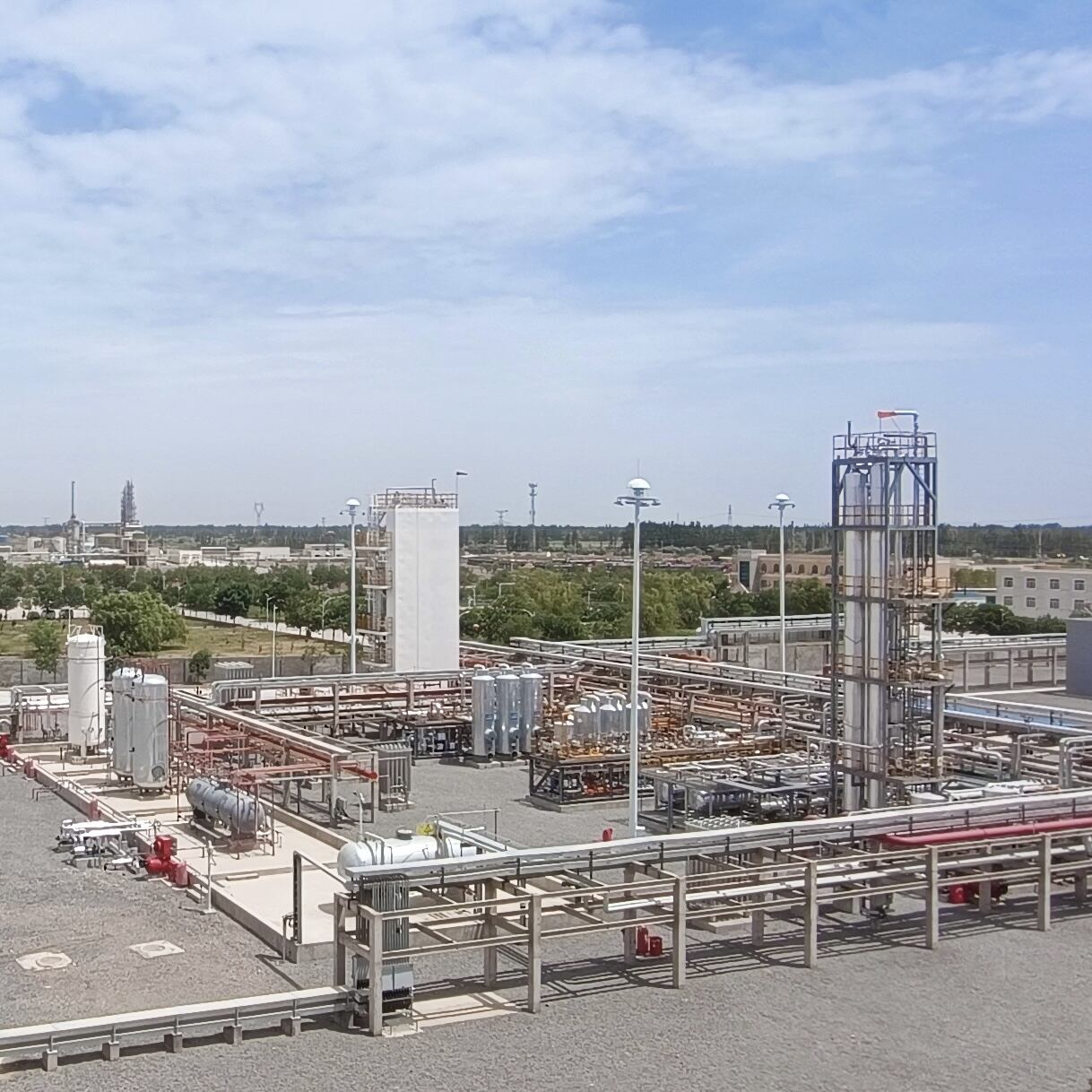
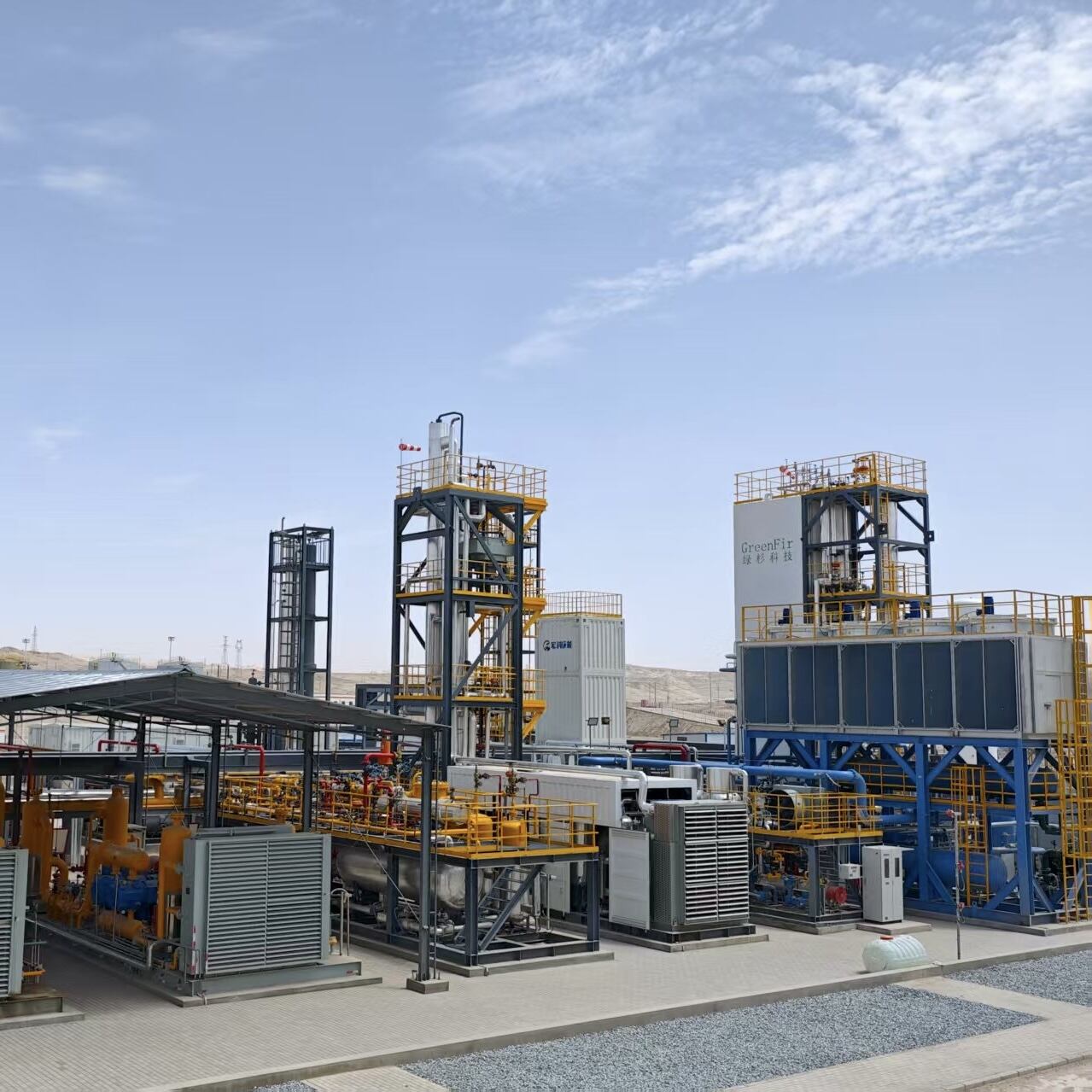
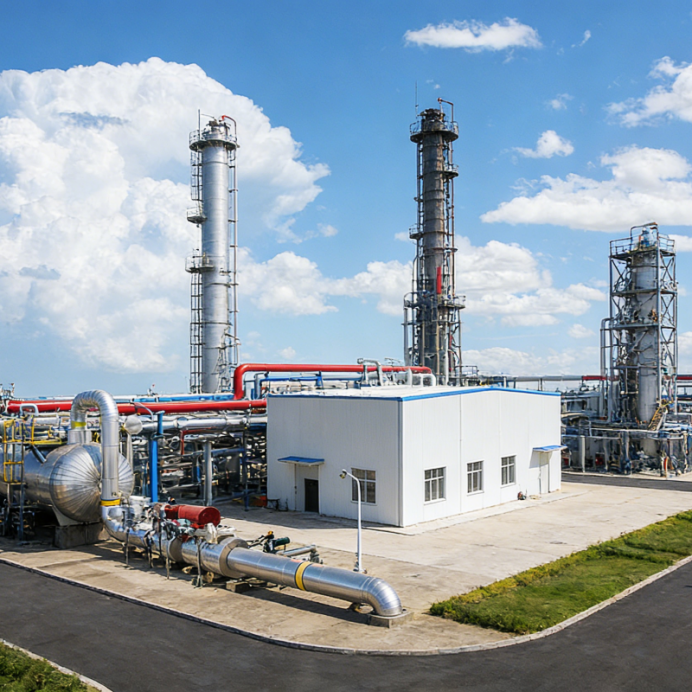
The amine sweetening process of natural gas stands as one of the most critical treatment steps in the energy industry, serving as the primary method for removing acid gases—particularly hydrogen sulfide and carbon dioxide—from raw natural gas streams. This purification process, which utilizes aqueous solutions of alkanolamines to chemically absorb these contaminants, transforms sour gas into sweet gas that meets stringent pipeline specifications and environmental regulations. The importance of amine sweetening extends beyond mere compliance; it protects downstream equipment from corrosion, prevents toxic emissions during combustion, and enhances the heating value of the gas by removing non-combustible components. For natural gas producers and processors, the amine sweetening unit represents the gateway to marketable product, enabling otherwise unusable sour gas reserves to become valuable commercial assets.
The application areas for amine sweetening technology span the entire natural gas value chain, from wellhead to end-user. In upstream operations, amine sweetening systems are deployed at central gathering facilities to treat raw gas from multiple wells before it enters transmission pipelines. Gas processing plants utilize amine sweetening as the foundational step in their treatment train, ensuring that subsequent dehydration and NGL recovery processes operate efficiently without contamination. Refineries and petrochemical facilities employ amine sweetening to treat refinery fuel gas and process streams, protecting sensitive catalysts and equipment while meeting strict environmental standards. Additionally, LNG production facilities depend on amine sweetening to achieve the ultra-low CO2 concentrations required to prevent freeze-out during cryogenic liquefaction. This versatility makes amine sweetening technology indispensable across conventional gas production, enhanced oil recovery operations, and industrial gas treatment applications.
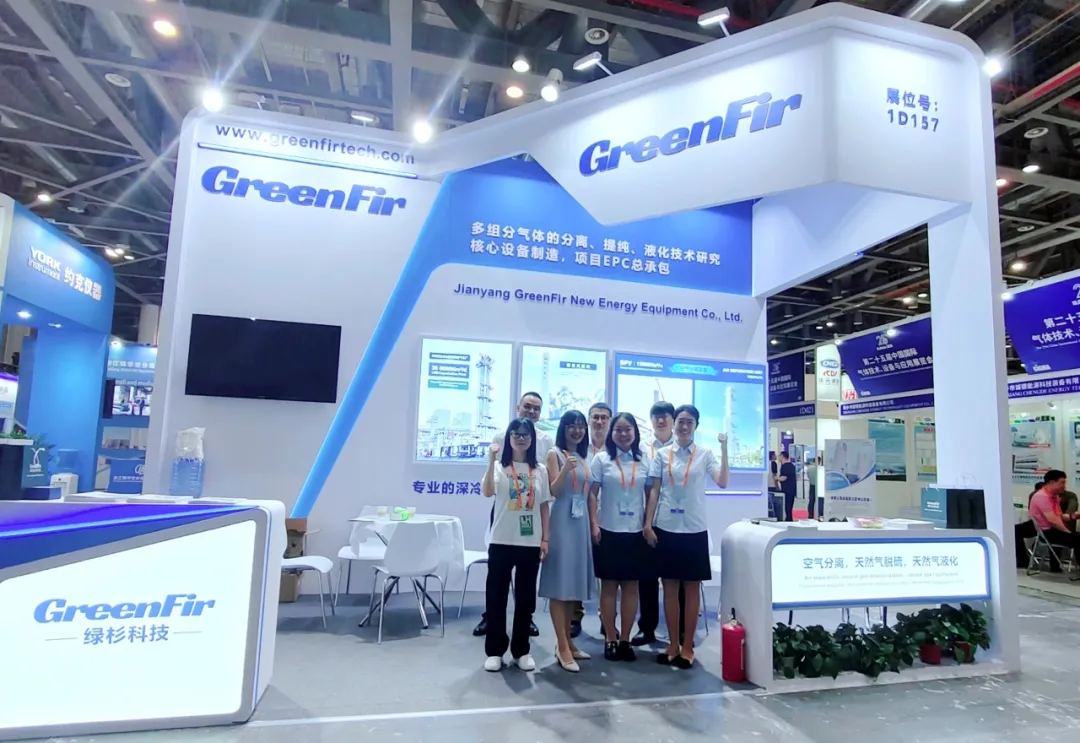
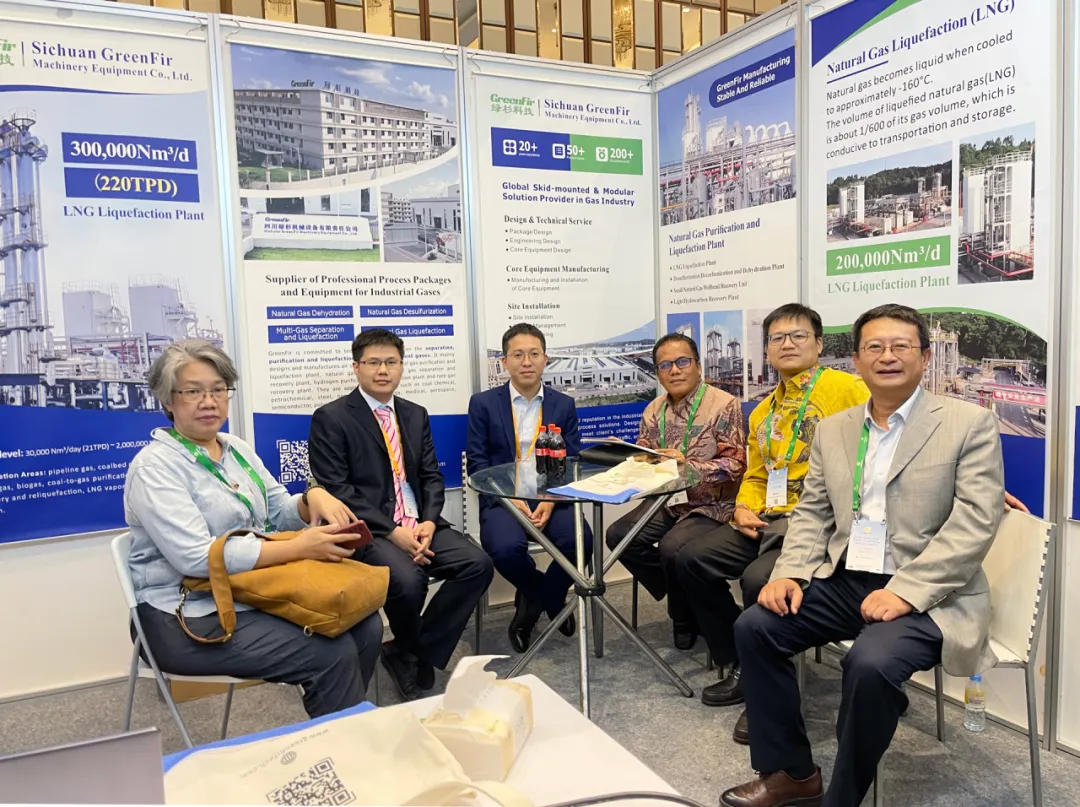
Beyond traditional applications, amine sweetening continues to find new relevance in emerging energy sectors. Biogas upgrading facilities now employ adapted amine sweetening processes to remove CO2 from renewable natural gas streams, enabling injection into existing pipeline networks. Carbon capture and storage projects utilize amine-based absorption as a proven technology for separating CO2 from industrial flue gases and natural gas streams. As environmental regulations tighten globally and sour gas reserves become increasingly common in new discoveries, the demand for reliable, efficient amine sweetening equipment continues to grow. Jianyang Greenfir New Energy Equipment delivers high-integrity amine contactors, regenerators, heat exchangers, and associated pressure vessels designed specifically for the demanding conditions of acid gas removal. By manufacturing equipment that withstands the corrosive nature of amine service while maintaining operational efficiency, Jianyang Greenfir New Energy Equipment enables processors to meet purity requirements reliably, protect downstream assets, and maximize the value of every gas stream processed.