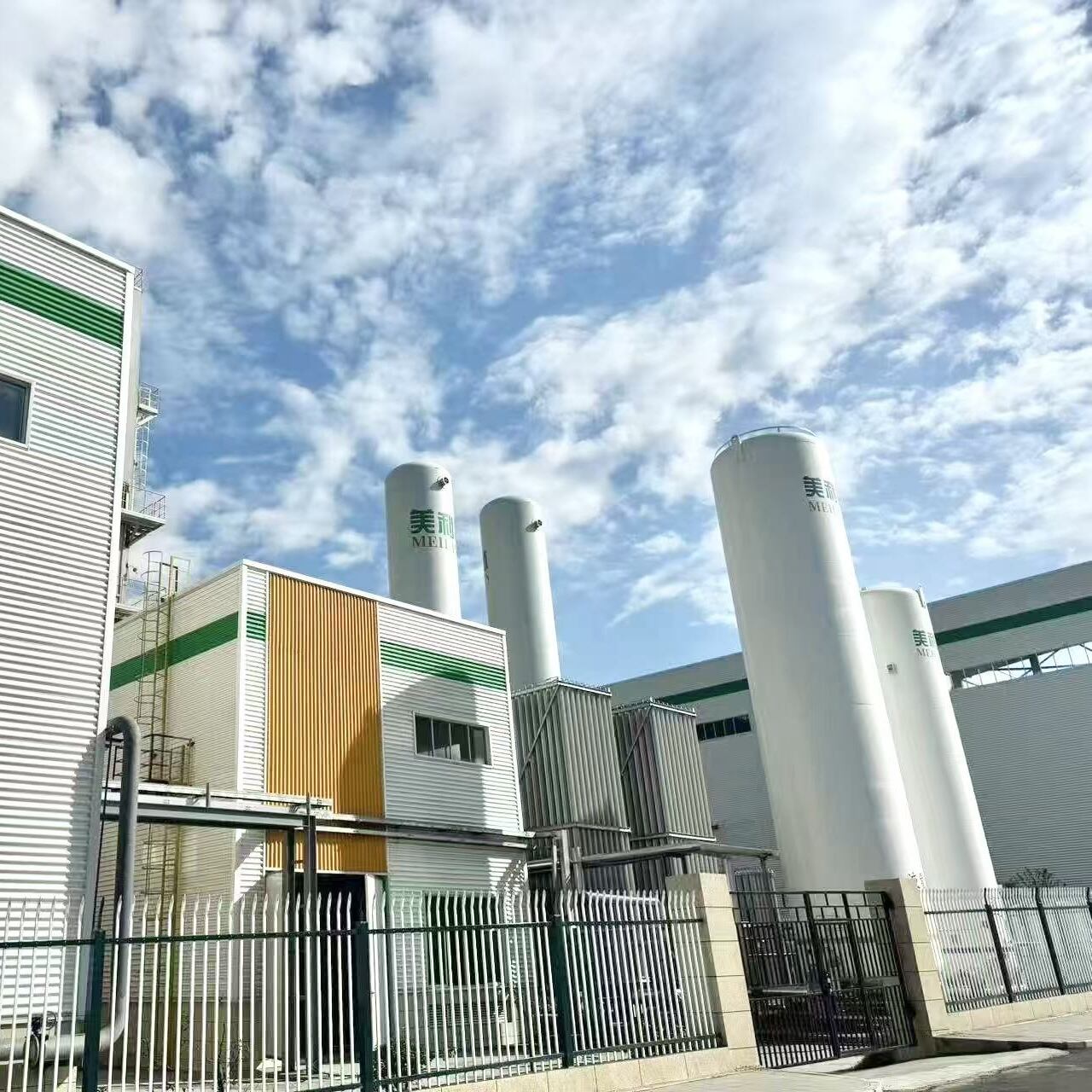
The Significance of CNG Gas Processing Equipment
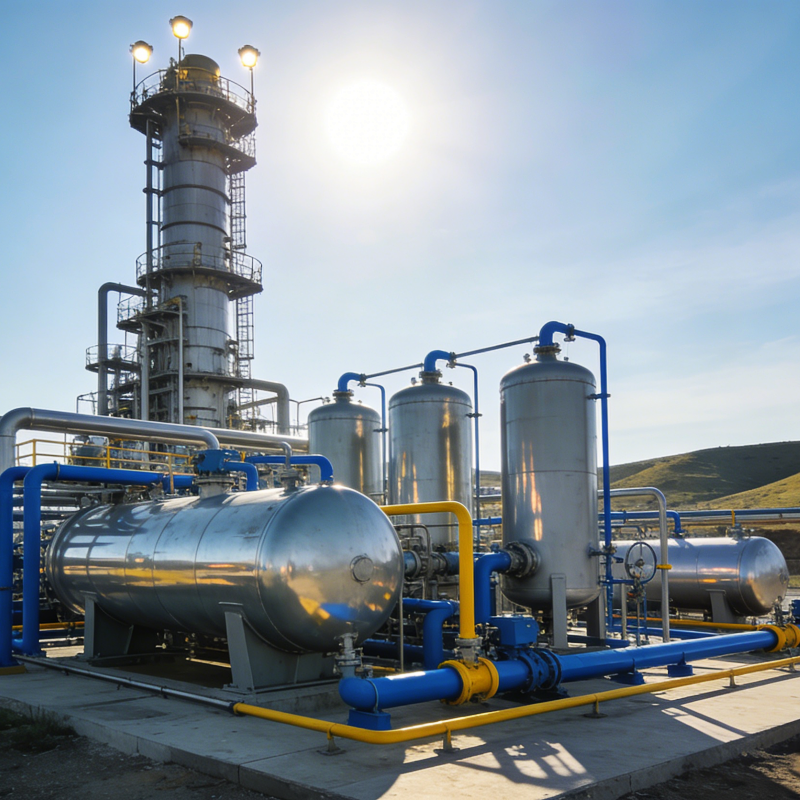
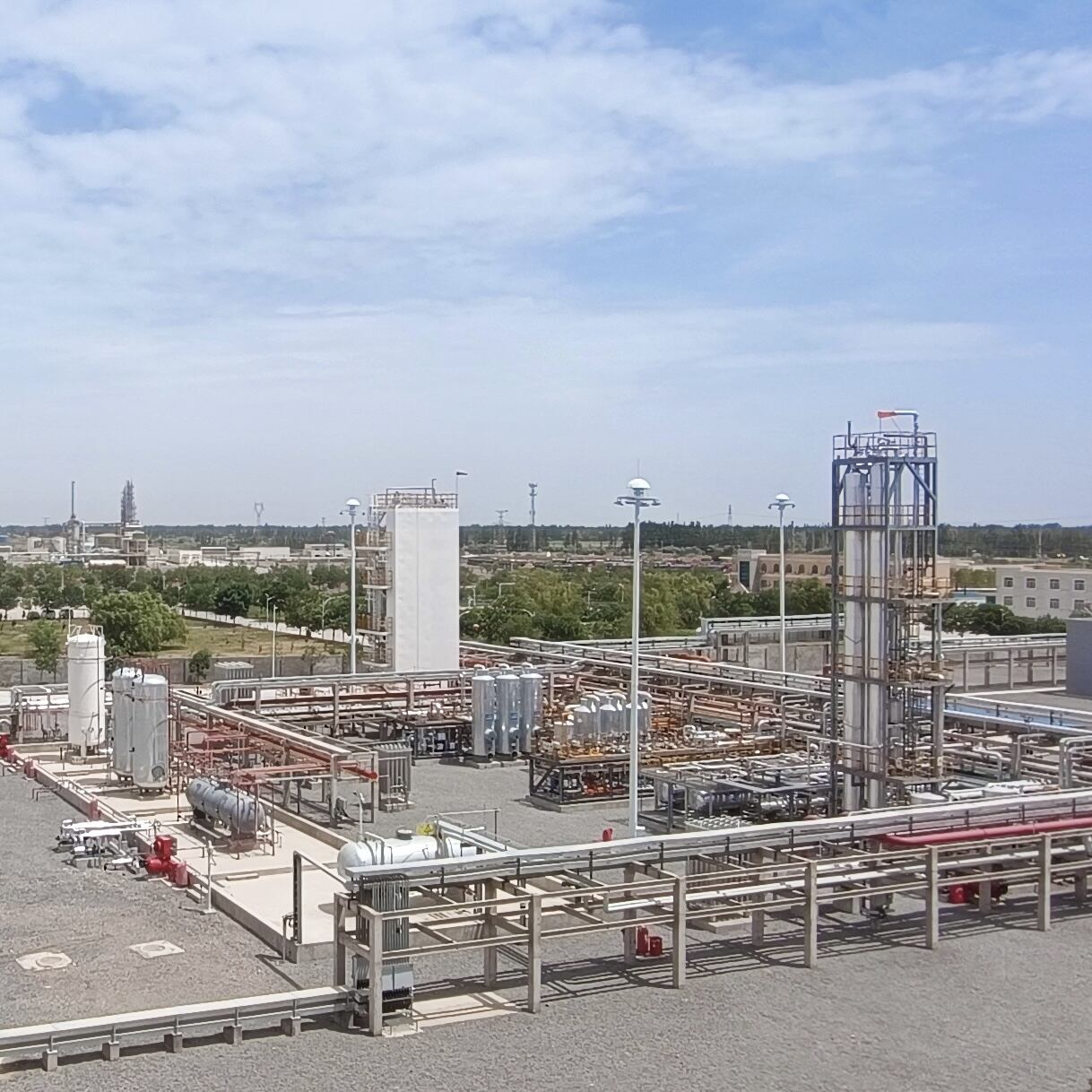
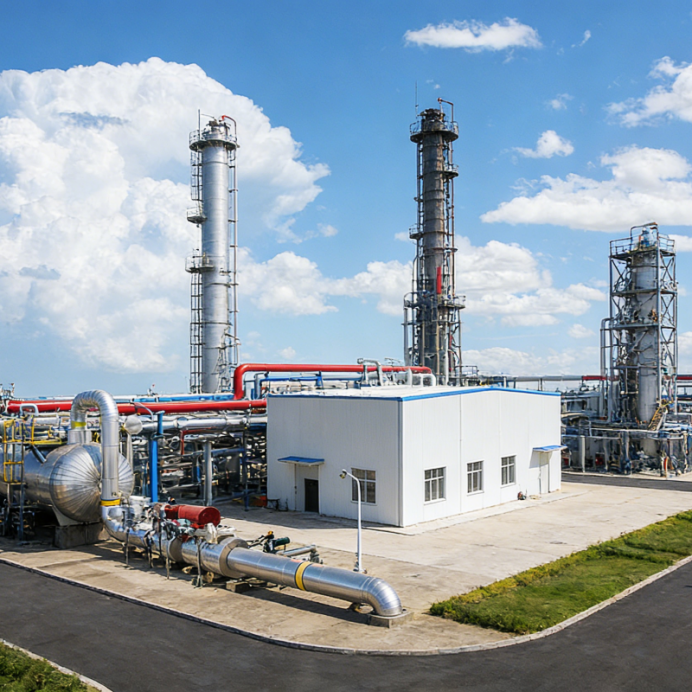
CNG (Compressed Natural Gas) processing equipment serves as the critical bridge between raw natural gas extraction and its final application as a clean vehicle fuel or industrial energy source. Raw natural gas, as it comes from the wellhead, is rarely pure; it often contains impurities such as water vapor, hydrogen sulfide (H2S), and heavier hydrocarbons that can damage high-pressure engines and compressors. Specialized processing equipment is responsible for dehydrating the gas to prevent ice formation and corrosion in high-pressure cylinders, as well as "scrubbing" it to remove contaminants. This purification process ensures that the gas meets stringent fuel specifications, guaranteeing safety and performance for end-users.
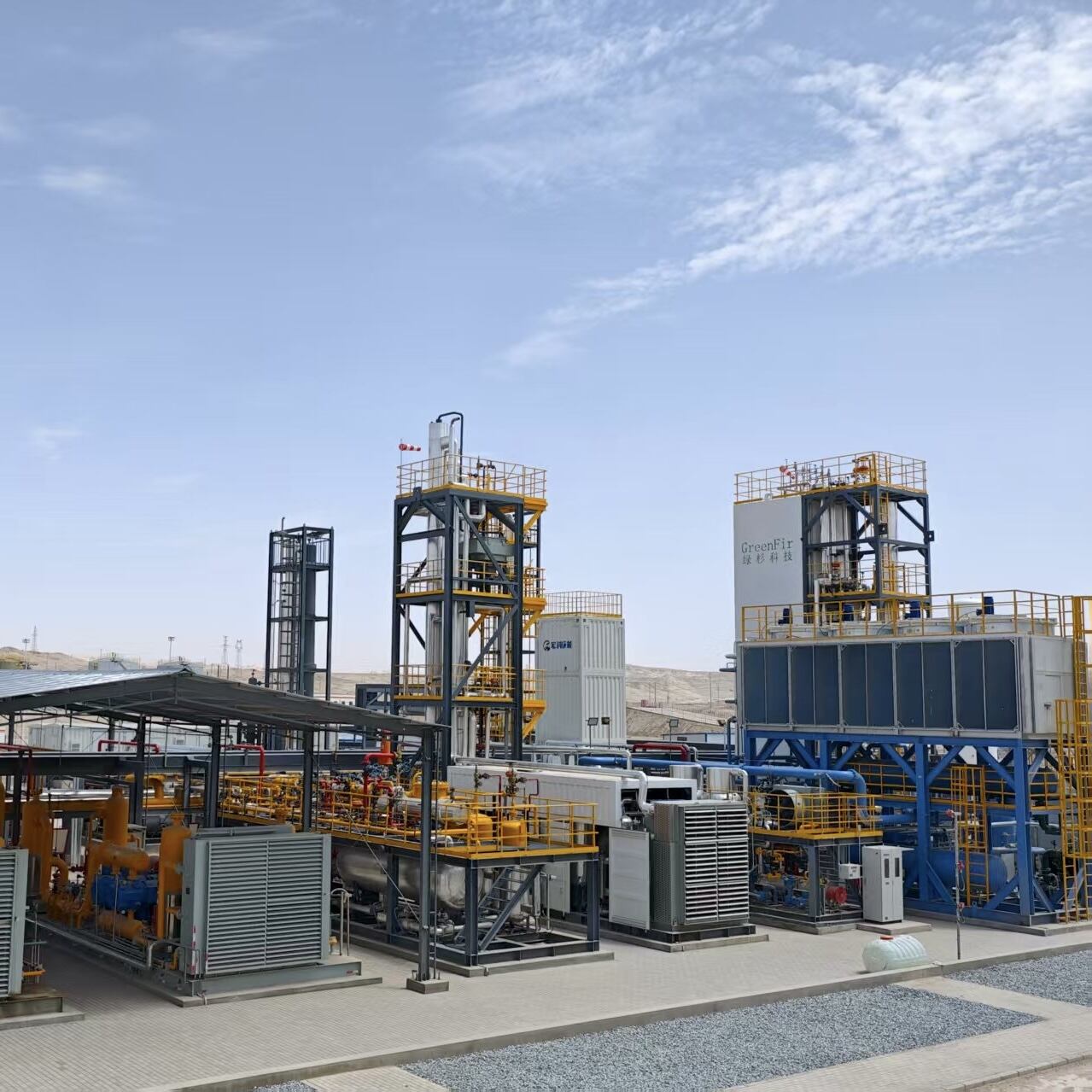
Beyond purification, this equipment is essential for the logistical flexibility that makes CNG a viable energy alternative. Processing skids are designed to condition the gas immediately before it enters high-pressure cascades for storage or transport. By stabilizing the gas composition and pressure, the equipment allows for efficient bulk transport via tube trailers to remote locations not served by pipelines. This capability is vital for industrial zones, mining operations, and isolated communities seeking to transition away from diesel and heavy fuel oil toward a more sustainable and cost-effective energy source.
Finally, the significance of modern CNG processing lies in its integration of safety and automation. Today's equipment utilizes advanced control systems to monitor flow rates, detect leaks, and manage emergency shutdowns autonomously. This automation reduces the need for constant human oversight while maximizing throughput and minimizing the risk of accidents. For energy providers, investing in high-quality processing equipment translates directly into operational reliability, regulatory compliance, and the ability to deliver a consistent, high-quality product to a growing market of natural gas consumers.