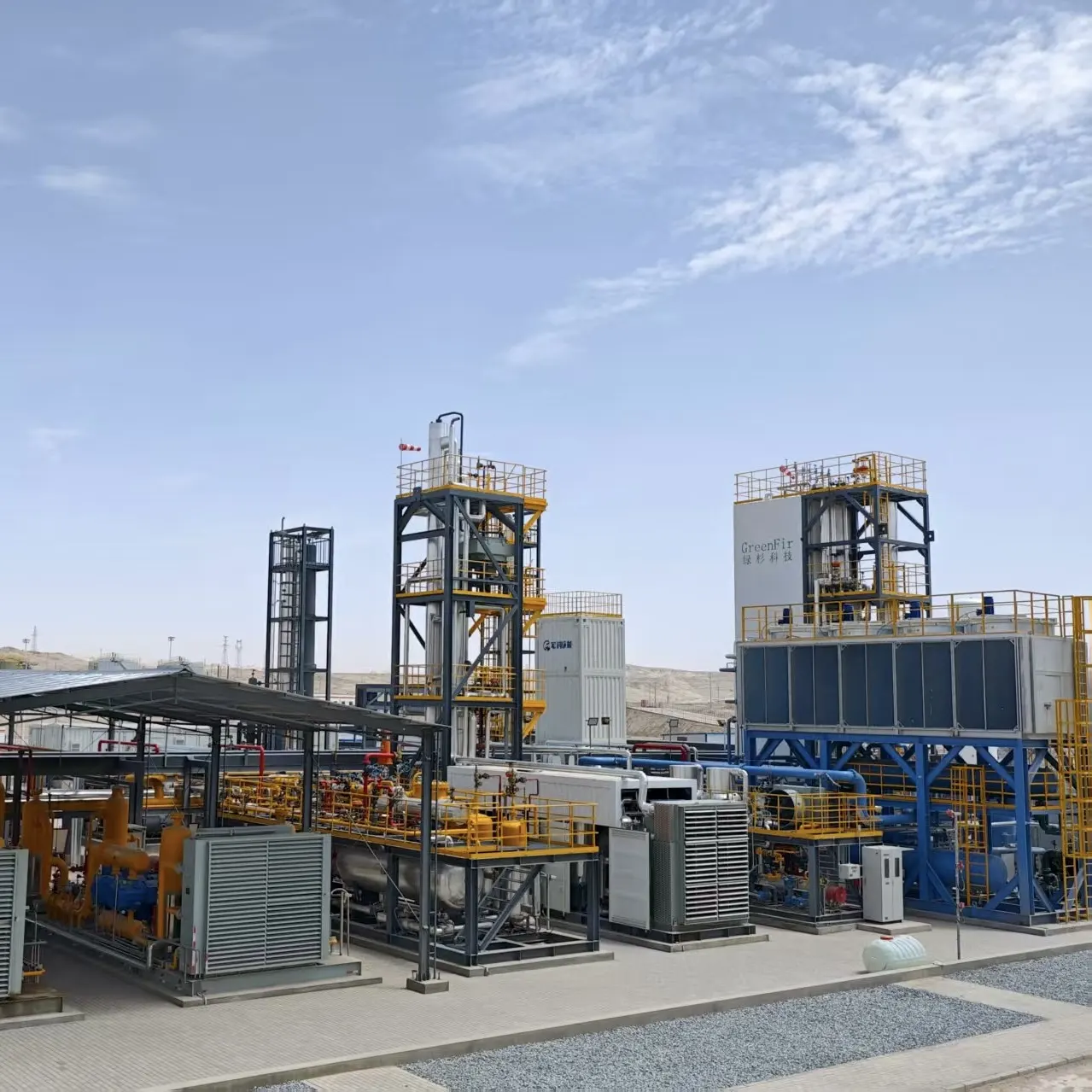
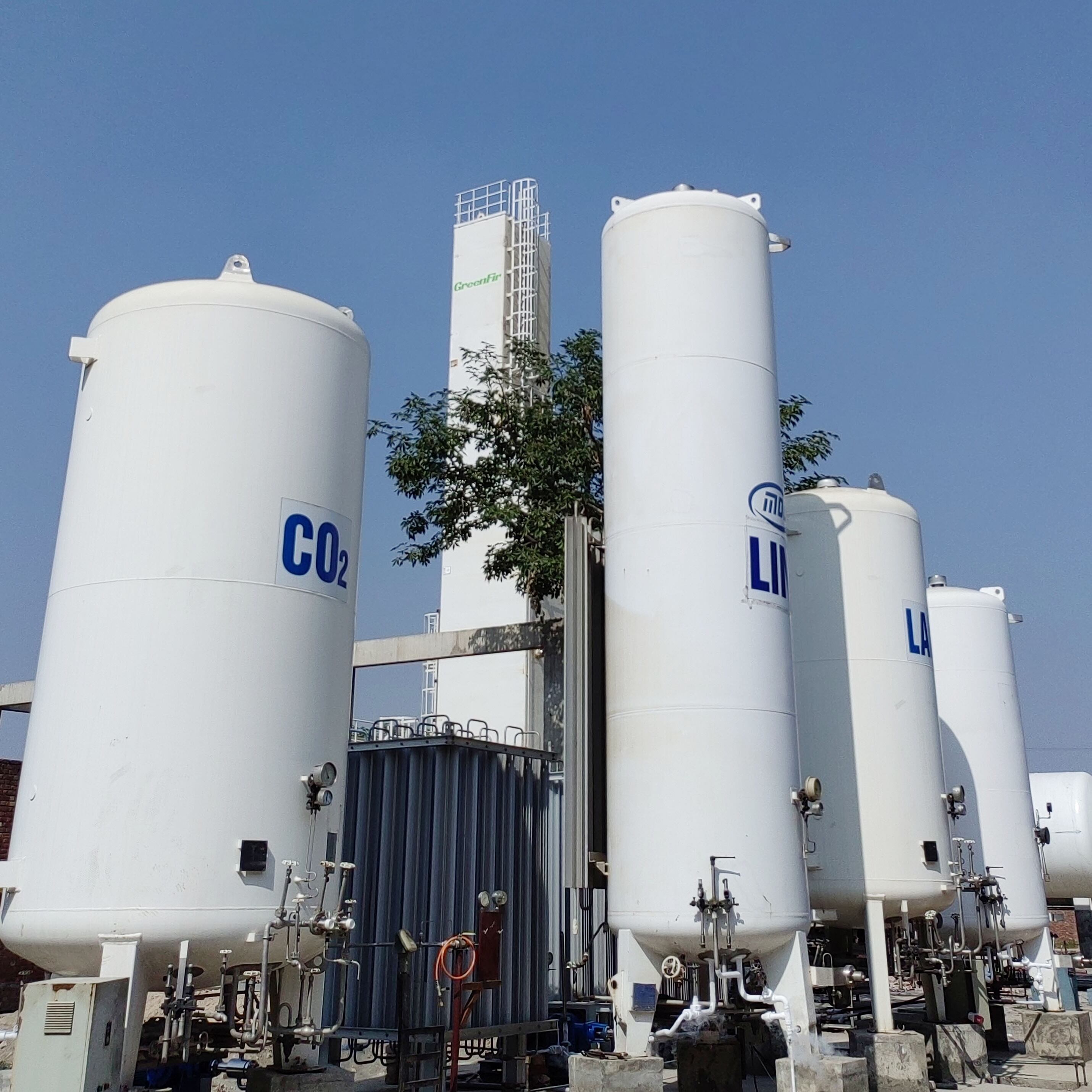
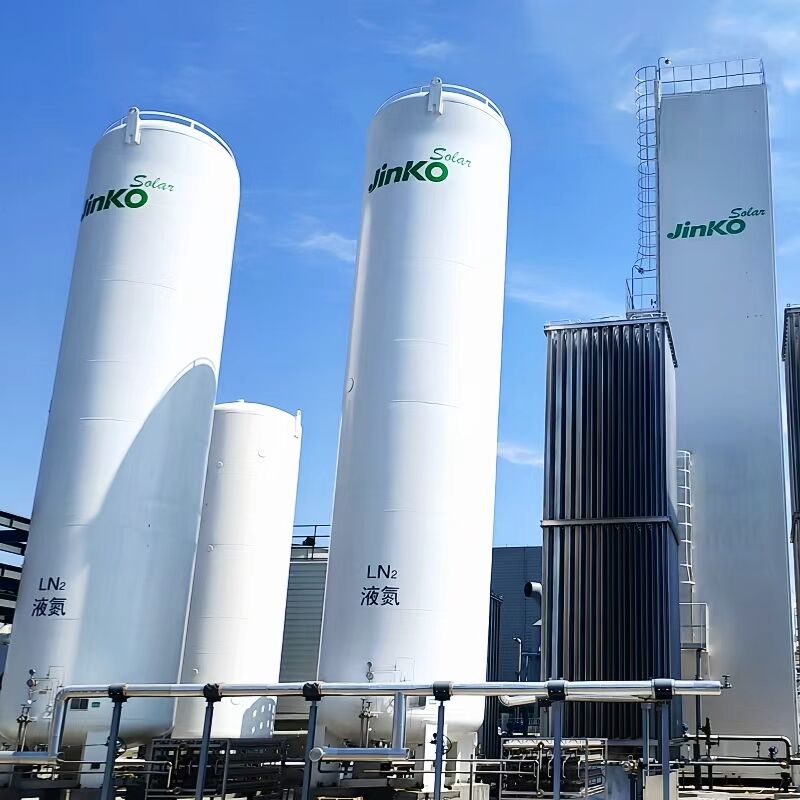
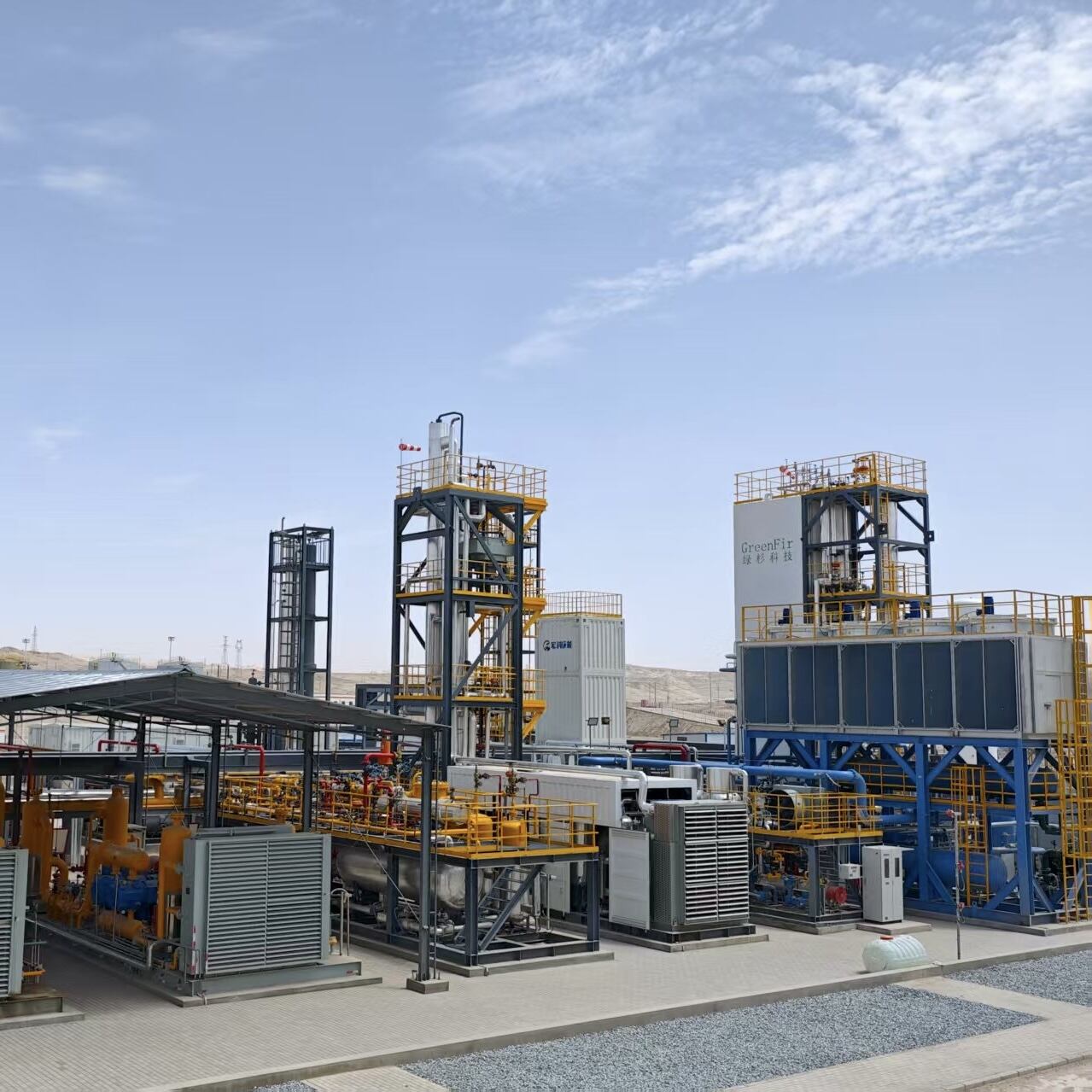
The application prospects for compressors used in CNG stations are intrinsically linked to the global acceleration of clean energy policies and the economic push for alternative fuels. As governments worldwide implement stringent emission regulations to combat climate change, compressed natural gas (CNG) is solidifying its role as a critical "transition fuel," particularly in the transportation and industrial sectors . This shift is creating a sustained demand for high-efficiency compression systems. Market data indicates that the global CNG compressor market is on a robust growth trajectory, with projections estimating a rise from approximately $5.19 billion in 2024 to over $6.85 billion by 2032 . This expansion is fueled by the increasing penetration of natural gas vehicles (NGVs)—with over 23 million in operation globally—and the consequent need to expand refueling infrastructure to support public transit and commercial fleets .
Beyond basic refueling, the technological evolution of the CNG station compressor is unlocking new application prospects in efficiency and digital integration. Modern compressors are no longer just heavy-duty machinery; they are becoming intelligent assets within the energy grid. The market is witnessing a surge in demand for oil-free, low-maintenance designs that reduce operational downtime and comply with stricter environmental standards . Furthermore, the integration of IoT-enabled monitoring systems and predictive maintenance technologies is revolutionizing station management, allowing operators to optimize performance, reduce energy consumption, and prevent costly failures in real-time . This trend towards "smart" compression is particularly vital for high-utilization urban stations and industrial applications where reliability is paramount .
Looking ahead, the scope of the compressor used in CNG stations is expanding beyond traditional fossil fuel applications to encompass renewable energy integration. A significant opportunity lies in the compression of Renewable Natural Gas (RNG) and biogas, aligning the technology with global decarbonization goals and the circular economy . As investments pour into modular and compact compressor designs, we are seeing faster deployment of fueling infrastructure in emerging economies and constrained urban spaces . While challenges such as high initial capital costs and infrastructure gaps persist, the transition towards cleaner mobility and the diversification of gas sources ensures that the CNG station compressor will remain a cornerstone of the sustainable energy landscape for the next decade .