Application Areas of Cryogenic Distillation
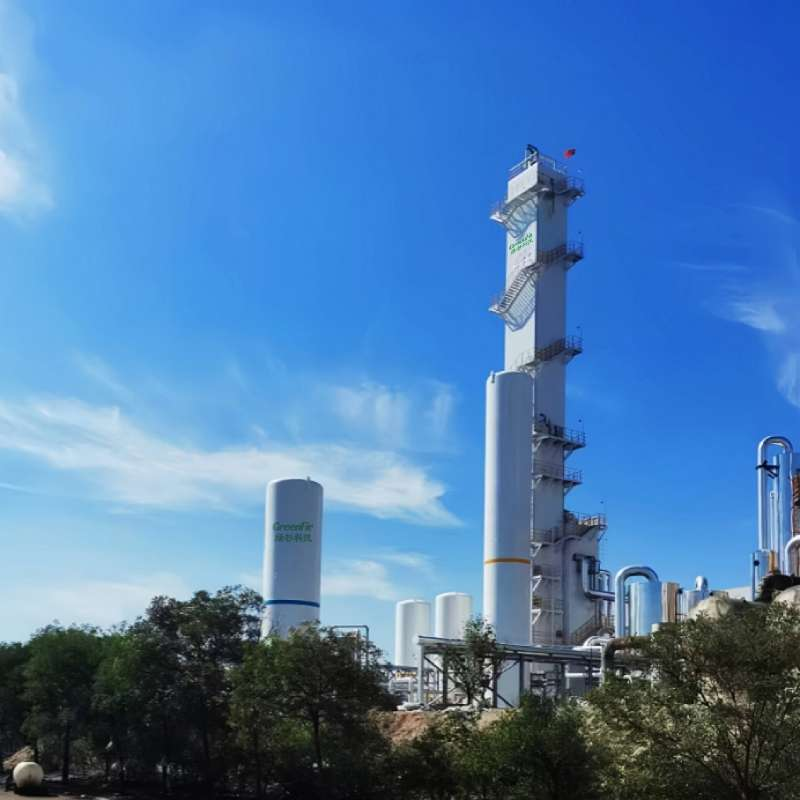
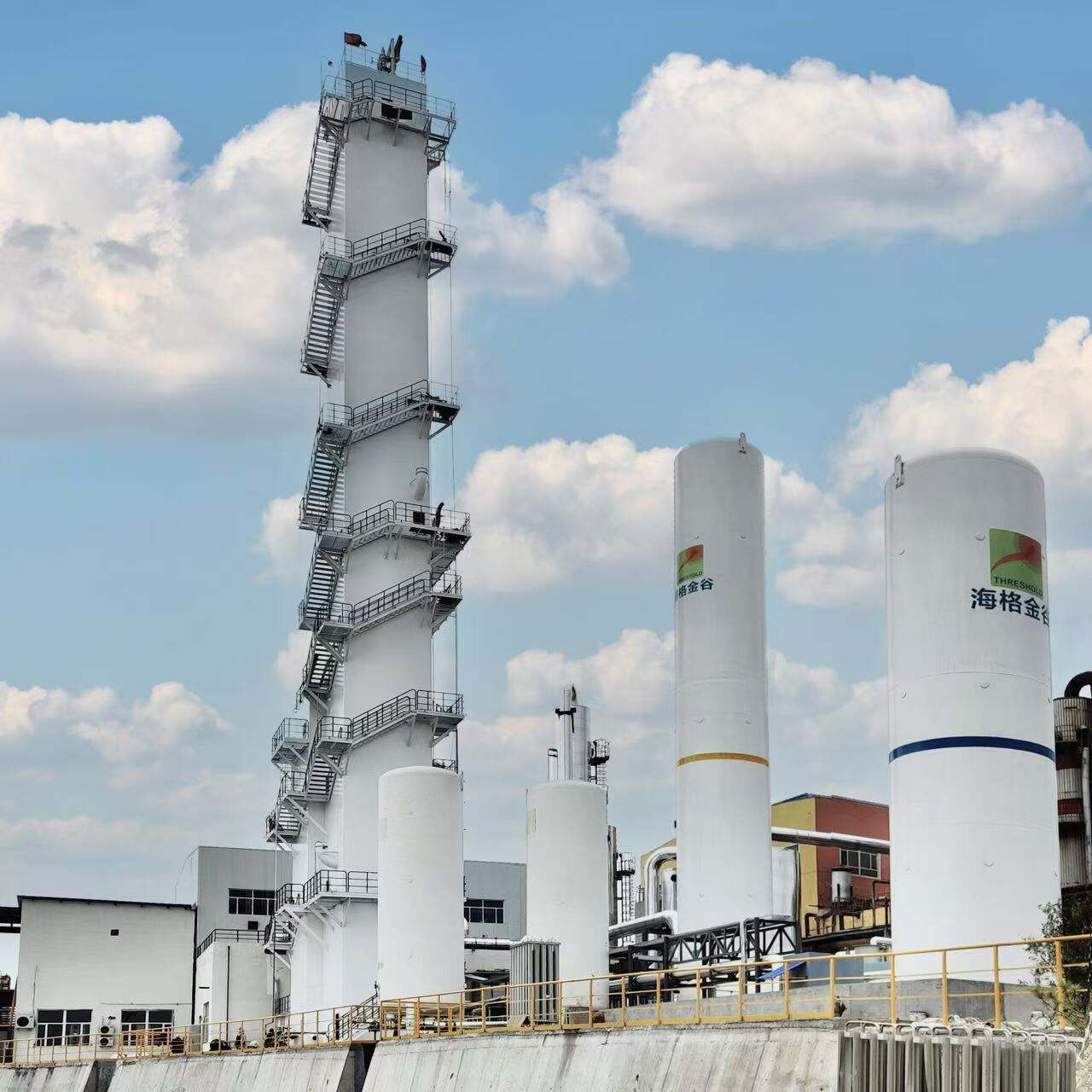
Cryogenic distillation stands as the most mature and efficient technology for separating gas mixtures on an industrial scale. By cooling air or other gas streams to extremely low temperatures, this process isolates components based on their specific boiling points. Its most prominent application is in the production of atmospheric gases—oxygen, nitrogen, and argon—which are vital to the steel industry. In basic oxygen steelmaking, high-purity oxygen from cryogenic units is injected to remove impurities, while nitrogen is used extensively in continuous annealing lines to create a protective atmosphere, ensuring surface quality and preventing oxidation during metal fabrication.
The chemical and petrochemical industries also rely heavily on cryogenic distillation, not just for air separation but for hydrocarbon processing. Here, it is used to separate and purify ethylene, propylene, and methane from cracker gases, which are the building blocks for plastics and synthetic materials. In the pharmaceutical and medical sectors, the technology provides the ultra-pure liquid oxygen and nitrogen required for drug synthesis, cryopreservation, and respiratory support. The precision and purity achievable through this method are unmatched, making it the standard for applications where gas composition directly influences reaction outcomes and patient health.
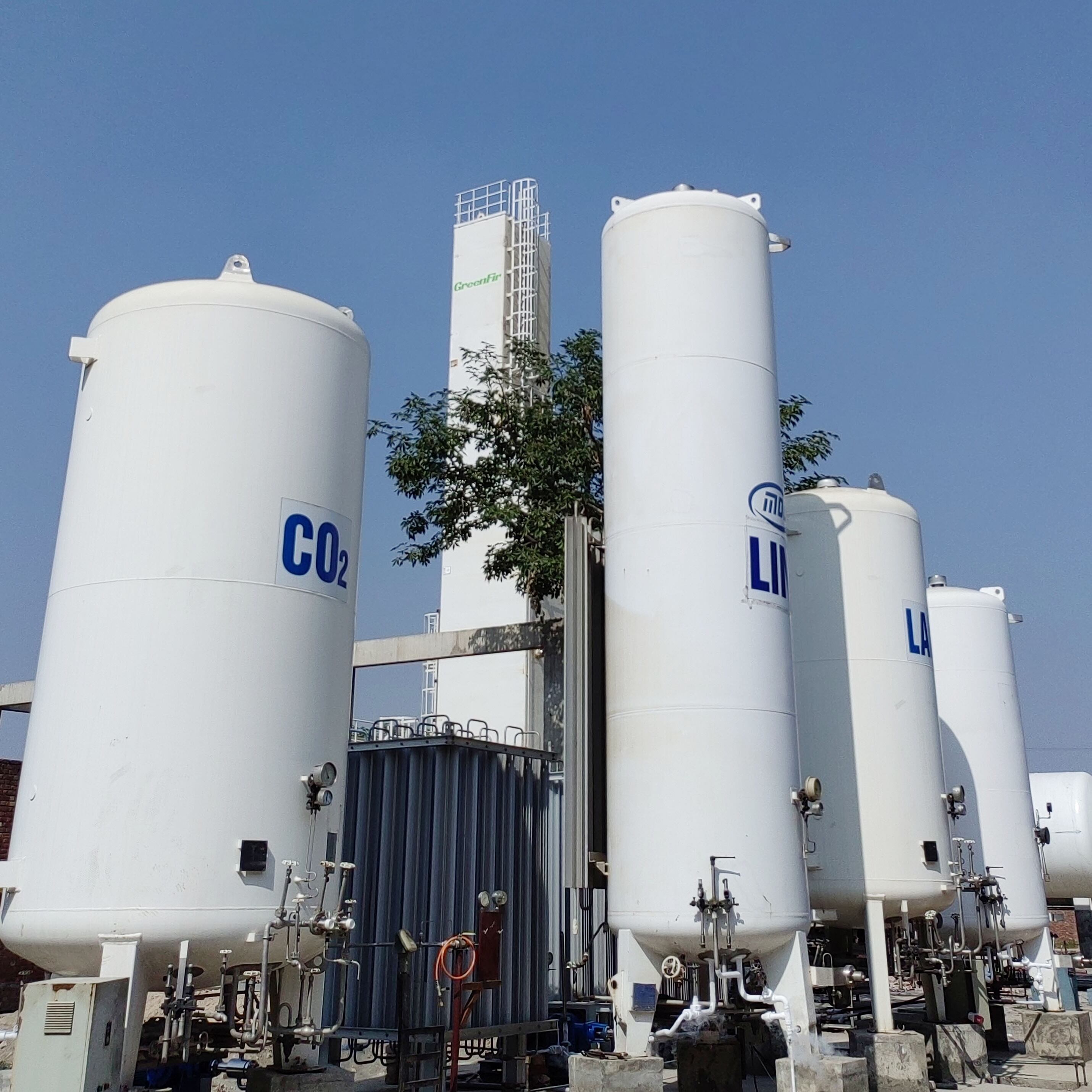
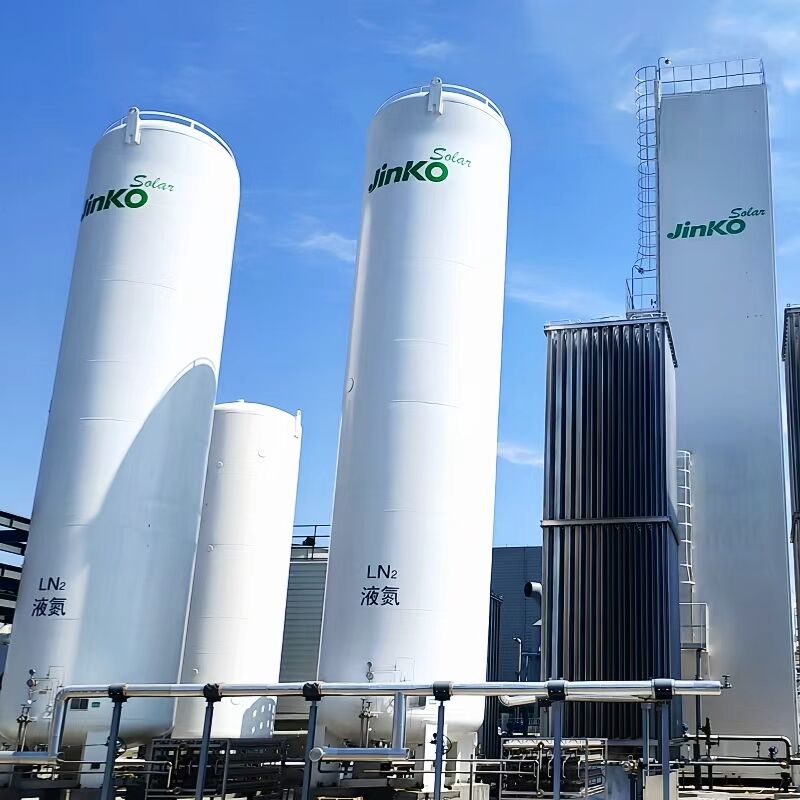
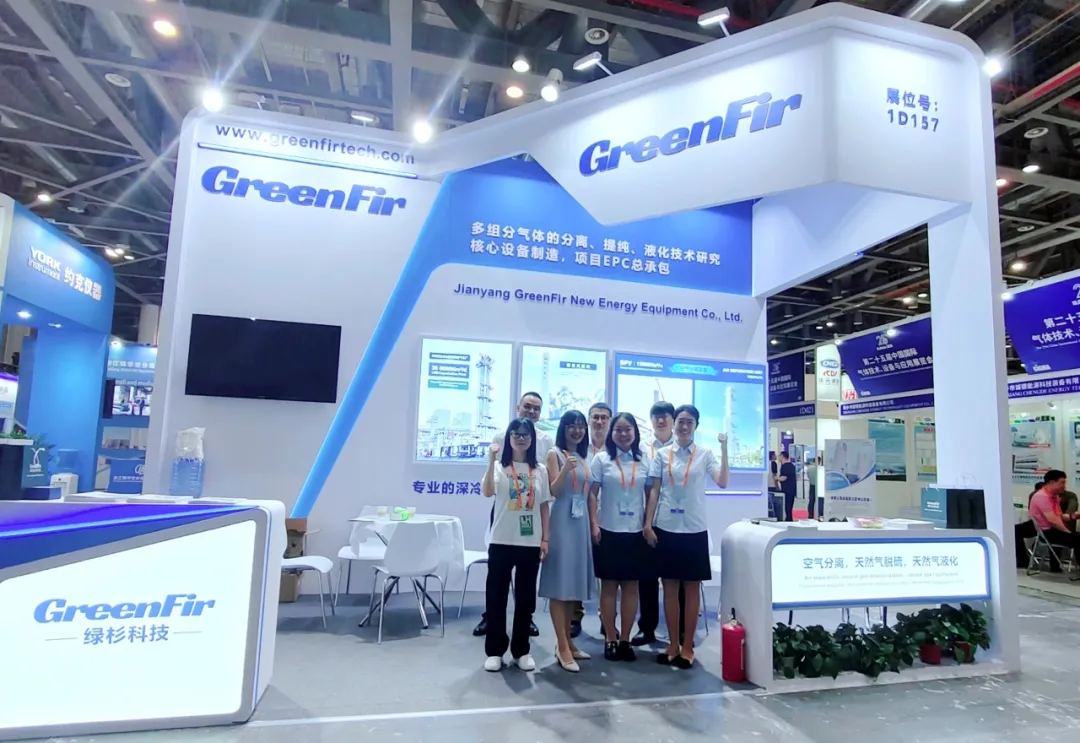
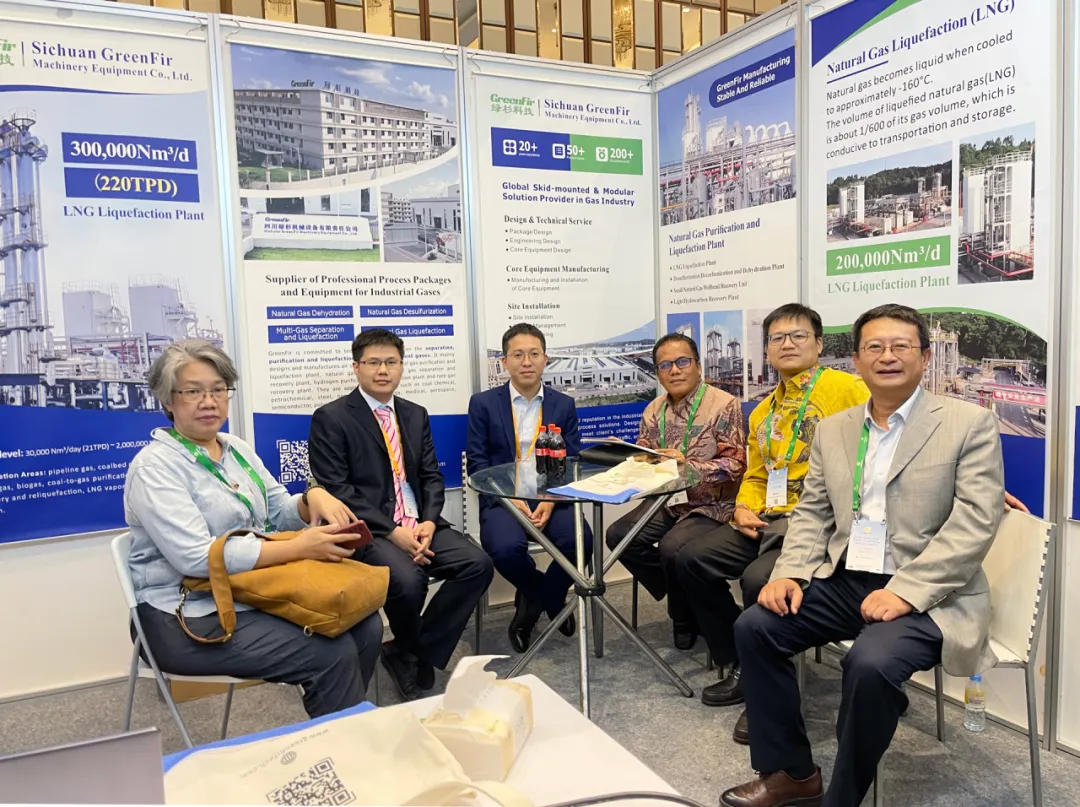
In the modern energy landscape, cryogenic distillation plays a pivotal role in the liquefied natural gas (LNG) value chain and the advancement of clean energy. It is used to remove nitrogen from natural gas to increase its heating value and to recover valuable helium. Furthermore, in the electronics industry, the hyper-pure nitrogen produced is indispensable for manufacturing semiconductors and flat-panel displays, where even a single particle of contamination can cause defects. Jianyang Greenfir New Energy Equipment supports these diverse industries by manufacturing specialized cryogenic storage tanks and vaporizers that ensure the safe, efficient handling and transport of these liquefied gases from the production point to the end-user, maintaining purity and reliability across the entire supply chain.