Application Prospects of Energy Transition Gas Technologies
As the world accelerates toward decarbonization, the role of gas technologies in the energy transition has never been more critical. While renewable sources like wind and solar are expanding rapidly, they are intermittent by nature. This is where advanced gas technologies step in, providing the flexibility and reliability needed to balance the grid. By enabling the efficient use of biogas, synthetic methane, and hydrogen, these technologies act as a bridge between fossil fuels and a fully renewable future. They allow existing gas infrastructure to be repurposed for cleaner fuels, ensuring energy security while reducing emissions.
The application prospects extend far beyond grid management. In industrial settings, energy transition gas technologies are revolutionizing processes by integrating low-carbon fuels into manufacturing, heating, and power generation. Industries that were once hard to decarbonize, such as cement, steel, and chemicals, can now leverage these innovations to significantly lower their carbon footprint. Furthermore, the development of power-to-gas systems is creating a circular economy for energy, where excess renewable electricity is converted into storable gas fuels. This not only solves the challenge of renewable curtailment but also provides a scalable pathway for seasonal energy storage.
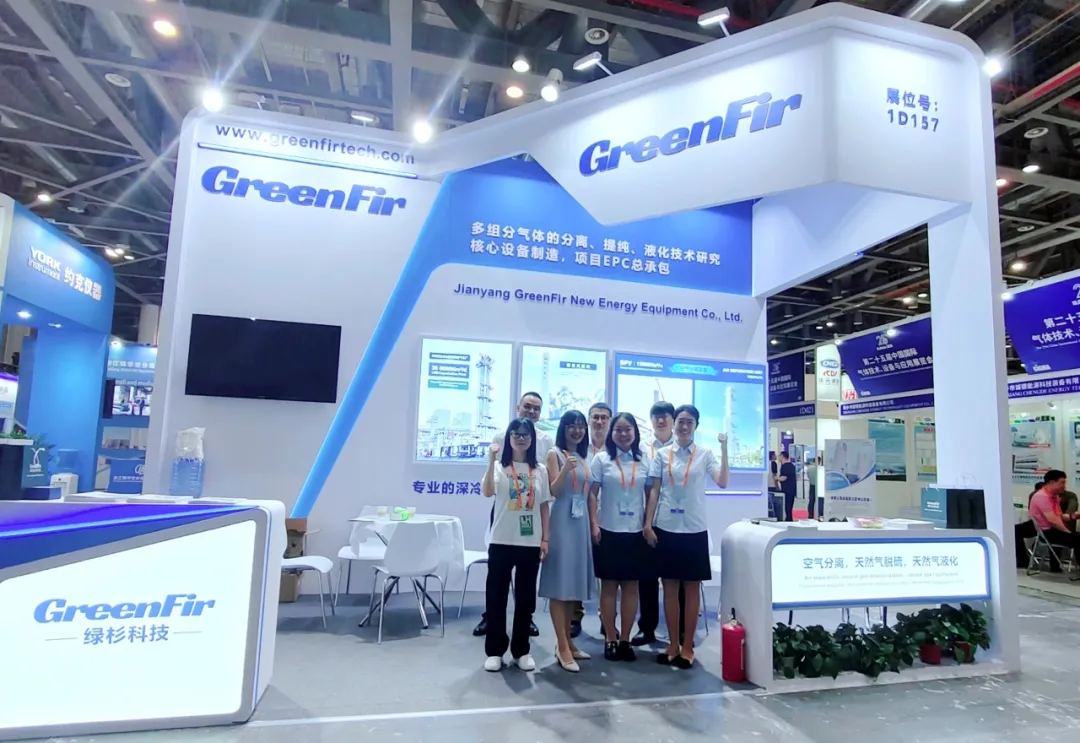
Jianyang Greenfir New Energy Equipment: Leading the Energy Transition
To navigate this complex and rapidly evolving landscape, industries require partners with deep expertise and forward-thinking solutions. Jianyang Greenfir New Energy Equipment is dedicated to driving this transformation forward. Our portfolio of energy transition gas technologies is engineered to maximize efficiency and sustainability, whether through advanced hydrogen systems, biogas upgrading units, or synthetic fuel integration. At Jianyang Greenfir New Energy Equipment, we believe that the future of energy is clean, flexible, and resilient. By deploying our cutting-edge equipment, clients can future-proof their operations, comply with stringent environmental regulations, and actively participate in the global shift toward a net-zero economy.