 EN
EN

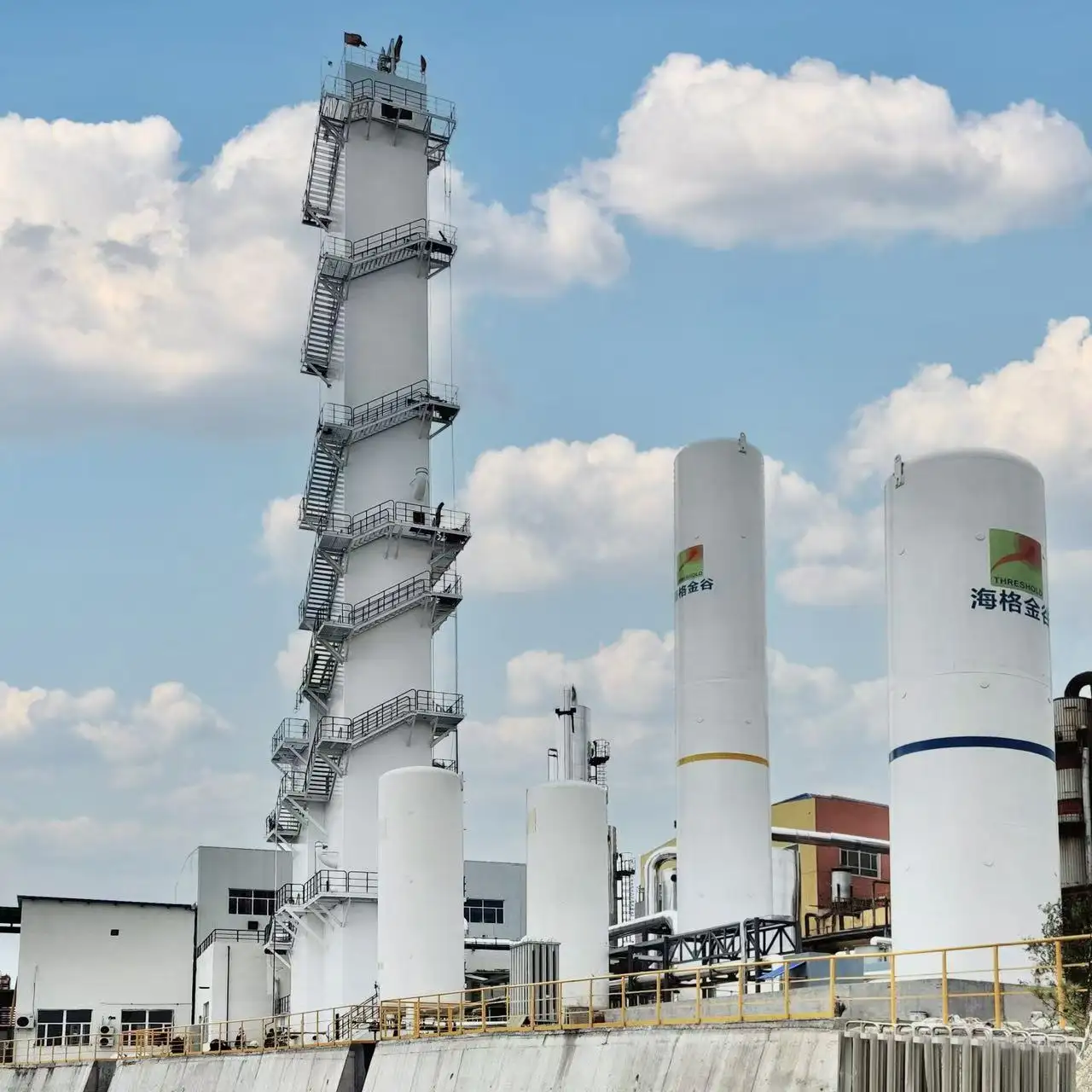
The Hidden Cost of Neglected Cryogenic Systems
Cryogenic equipment operates at the far edge of what industrial materials can handle. Temperatures plunging to -196°C, thermal cycling that stresses every weld joint, and process streams carrying trace contaminants that can freeze or corrode from the inside out—this isn't standard maintenance territory. Yet many facilities treat cryogenic maintenance as an afterthought, something to address when performance drops or alarms trigger. That approach costs more than most operators realize.
A 2023 survey of LNG facilities across the Gulf Coast found that unplanned downtime attributed to cryogenic equipment failures averaged 87 hours per year per plant. At typical baseload LNG production rates, that translates to millions in lost product. The root causes weren't catastrophic design flaws—they were predictable issues: fouled heat exchangers, worn seals on cryogenic pumps, and moisture breakthrough in insulation systems.
What Makes Cryogenic Maintenance Different
Maintaining equipment at cryogenic temperatures isn't just cold work with extra PPE. The fundamental physics change. Materials that perform perfectly at ambient temperatures become brittle and prone to fracture at -162°C. Thermal contraction creates clearances that don't exist at room temperature. And the consequences of a leak aren't just lost product—they're rapid freezing of atmospheric moisture into ice plugs that can block instrument lines and control valves.
The maintenance approach has to account for these realities. Traditional preventive maintenance schedules, built around rotating equipment wear patterns at normal temperatures, don't translate directly. A compressor that runs reliably for 8,000 hours at ambient conditions might show bearing distress at 4,000 hours when the process gas is at -150°C, because the lubricant viscosity changes and the shaft tolerances shift.
Real-World Failure Patterns in Cryogenic Service
During a debottlenecking project at a Southeast Asian LNG export facility, the operations team noticed progressive loss of heat exchanger performance over an eighteen-month period. The plant's mixed refrigerant system was consuming more power to achieve the same LNG production rate. The initial assumption was refrigerant composition drift. But analysis of exchanger differential temperatures told a different story.
The actual issue was gradual fouling on the cold end of the main cryogenic heat exchanger. Heavy hydrocarbons—trace amounts that had passed through the pretreatment section—were freezing out and accumulating on heat transfer surfaces. The layer was thin, maybe a few millimeters, but at cryogenic temperatures even a thin fouling layer wreaks havoc on thermal performance. The fix required a controlled warm-up and cooldown cycle to sublime the deposits, a procedure that took five days and cost the operator roughly $2.5 million in lost production.
That experience illustrates a broader point: cryogenic maintenance is as much about understanding process chemistry as it is about mechanical condition. The fouling wasn't a mechanical failure—it was a separation issue that manifested as a thermal performance problem.
Building a Maintenance Strategy That Actually Works
Effective cryogenic maintenance starts with instrumentation that tells the right story. Temperature measurements at multiple points across heat exchangers, differential pressure monitoring across filters and demisters, and vibration analysis on rotating equipment operating at low temperatures. These data streams, when trended properly, provide early warning of developing issues.
| Monitoring Parameter | What It Detects | Typical Warning Threshold |
|---|---|---|
| Heat exchanger approach temperature | Fouling, refrigerant maldistribution | 2°C increase from baseline |
| Cold box surface temperature | Insulation degradation, cold spots | 5°C variation across surface |
| Pump motor current draw | Bearing wear, impeller clearance changes | 5% increase from nominal |
| Demister differential pressure | Liquid carryover, particulate loading | 10 kPa increase |
The maintenance intervals themselves need adjustment based on actual operating data, not manufacturer recommendations alone. One operator in the Permian Basin shifted from calendar-based overhauls to condition-based maintenance for their cryogenic turbocxpanders, extending service intervals from 12 months to 18 months while reducing unplanned failures. The key was establishing reliable condition indicators and acting on them before they became critical.
The Cold Startup Challenge
Cold startups are where maintenance plans either work or fail spectacularly. Bringing a cryogenic system from ambient temperature to operating condition requires controlled cooldown to prevent thermal shock. The industry standard cooldown rate is roughly 50°C per hour for most cryogenic equipment, though specific limits depend on the material and configuration.
Rushing cooldown creates thermal gradients that stress welds and flanged joints. One facility in Western Australia learned this the hard way when a rushed startup after a turnaround caused a cold box weld to crack. The repair required taking the entire train offline for two weeks. The maintenance plan had specified a 24-hour cooldown procedure. Operations compressed it to 12 hours to meet a production target. The production target became irrelevant.
Standards and Best Practices for Cryogenic Maintenance
Several industry standards provide useful frameworks. ASME B31.3 covers piping requirements for cryogenic service, including post-weld heat treatment and impact testing requirements. API 579 offers guidance on fitness-for-service assessments for equipment that has experienced cryogenic temperatures. The Compressed Gas Association publishes CGA G-4.1 on oxygen equipment cleaning, which is directly relevant for air separation units handling high-purity oxygen streams.
These standards aren't checklists—they're decision support tools. The real expertise lies in knowing when to apply which standard and how to interpret the results in the context of specific operating conditions.
A practical approach to cryogenic maintenance includes several non-negotiable elements. First, maintain detailed thermal history records for every major piece of equipment. Second, implement a rigorous moisture control program for all instrument air and purge gas systems—moisture is the enemy of cryogenic reliability. Third, conduct regular visual inspections of insulation systems, looking for signs of ice formation or sweating that indicate insulation failure. Fourth, establish clear procedures for warm-up and cooldown that are strictly followed, not adjusted for schedule convenience.
Greenfir brings manufacturing depth to cryogenic equipment maintenance support, with fabrication capabilities that enable rapid replacement of critical components when repairs are necessary and engineering resources that help operators develop maintenance strategies tailored to their specific process conditions.