 EN
EN

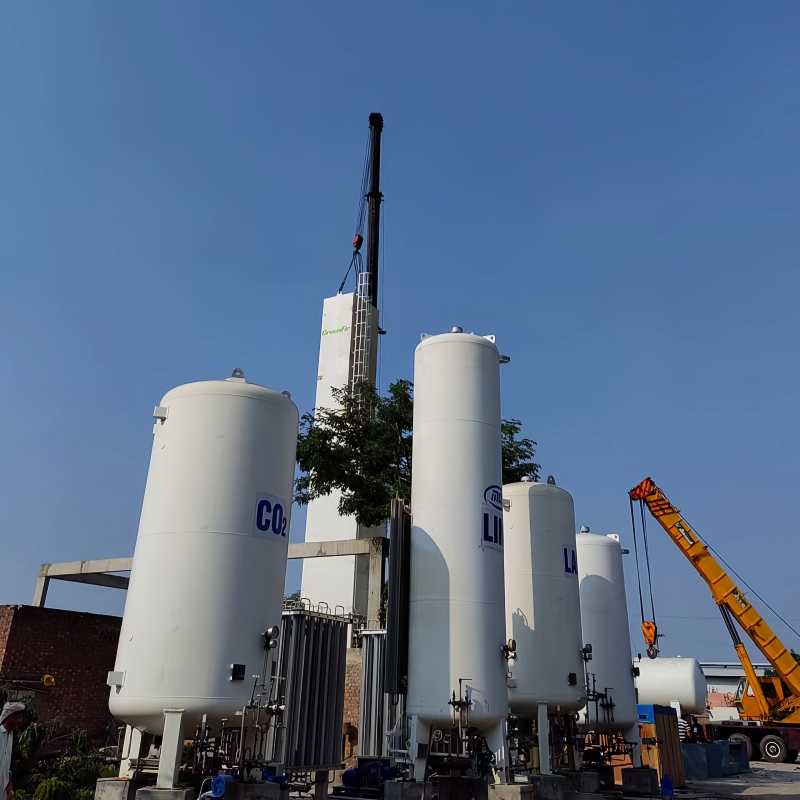
Air Separation Units: Definition, Core Function, and Industrial Role
Air Separation Units, or ASUs as they're commonly called, are basically big factories that pull out pure oxygen, nitrogen, and argon from regular air through something called cryogenic distillation. How does this work? Well, basically the process starts by compressing air and then chilling it down to super cold temps around minus 196 degrees Celsius. When the air gets that cold, it turns into liquid form, and different gases separate because they boil at different temperatures. Nitrogen boils off first at about minus 196, followed by argon at minus 186, and finally oxygen at minus 183. These separated gases have all sorts of important uses. Medical facilities rely on pure oxygen for patients needing help breathing. Nitrogen keeps things safe in chemical plants and helps preserve food packages. Argon plays a crucial role in welding metals without creating unwanted oxides. Steel mills, chip manufacturers, and wastewater treatment plants simply cannot operate without these onsite gas supplies. And now we're seeing ASUs getting involved in newer areas too, like producing cleaner hydrogen fuel and capturing carbon emissions. This expansion shows just how vital these units have become in our efforts to make energy systems greener and tackle climate challenges head on.
How Air Separation Units Work: The Cryogenic Distillation Process
Why cryogenics? Thermodynamic basis for air liquefaction and separation
Cryogenic distillation works so well for separating air components because the gases we're dealing with are basically the same size and don't react much chemically. That makes other approaches like membranes or pressure swing adsorption pretty ineffective when what's needed is large quantities of really pure products. When engineers cool down air to around minus 180 degrees Celsius, they can take advantage of those tiny differences in boiling points between oxygen, nitrogen, and other gases. The whole process involves several compressor stages where the air gets progressively compressed and cooled between each step. This compression reduces the original air volume by roughly seven hundred times while keeping things thermally efficient enough to be practical. Yes, it does consume quite a bit of power - somewhere between 200 to 300 kilowatt hours just to produce one ton of oxygen. But despite this energy hunger, cryogenic distillation stays the go-to method for manufacturing oxygen with purity above 99.5% and nitrogen that's practically flawless at over 99.999% purity when production needs are significant.
Oxygen, nitrogen, and argon extraction: Fractional distillation in dual-column systems
Air separation units today rely on dual column distillation systems to get the most out of their feedstock in terms of both product purity and material recovery rates. The process starts in what we call the high pressure column operating around 5 to 6 bar pressure levels. Here, nitrogen rich vapors naturally rise upward while the heavier oxygen enriched liquid gathers at the bottom. This liquid then passes through expansion valves into the second stage low pressure column which typically runs between 1.2 and 1.5 bar. The difference in pressures creates the necessary temperature profile across the system that allows for clean separation of components. Argon presents an interesting case since it boils somewhere between nitrogen and oxygen. As such, it tends to collect in special side draws positioned strategically between our main columns before being sent off for additional cleaning in separate argon purification towers. When designing these systems, engineers focus on several critical factors including getting the right balance of reflux, installing efficient trays or structured packing materials, and incorporating those specialized brazed aluminum heat exchangers that really help maintain close thermal control throughout the process. What does all this engineering achieve? We're talking about oxygen purities above 99.5%, nitrogen reaching nearly five nines (99.999%) purity, and argon products pushing past six nines (99.9995%). Overall recovery rates exceed 99% thanks to clever internal recycling strategies built right into the system design.
Key Components and Operational Stages of Modern Air Separation Units
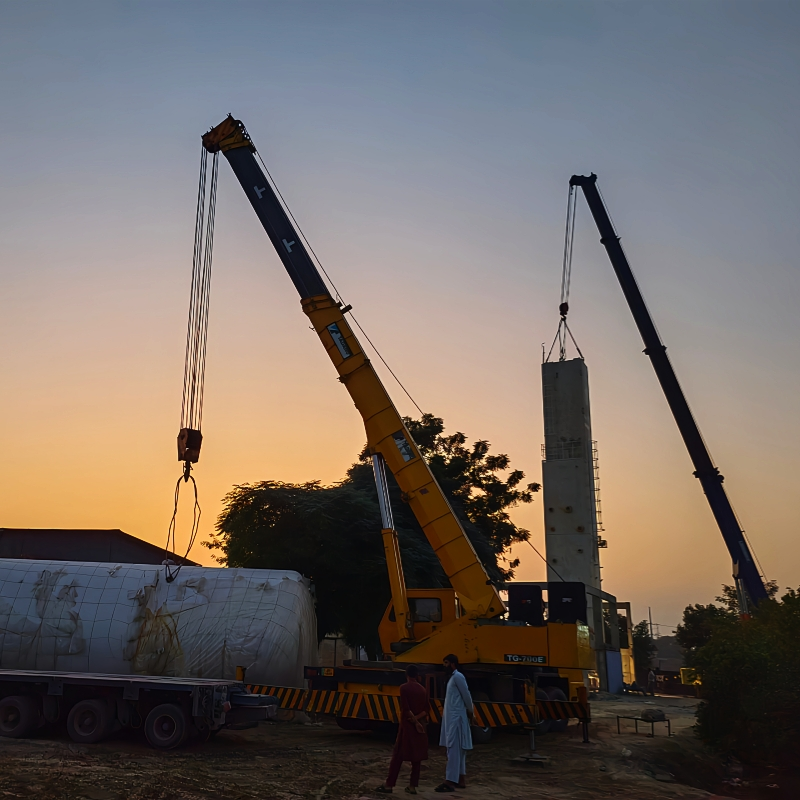
Critical ASU subsystems: Air compression, purification (molecular sieves), heat exchange, and distillation columns
Modern air separation units typically operate through four main components working together. The first step involves big compressors that push regular air up to around 5 to 6 bar pressure, which makes the liquefaction process work better later on. After compression comes purification using molecular sieve beds that take out moisture, carbon dioxide and other hydrocarbons from the air stream. This prevents problems like ice buildup and corrosion in the cold parts of the system. Once purified, the air moves into those aluminum heat exchangers where it gets chilled down to approximately minus 175 degrees Celsius. The cooling happens through this clever counterflow method with the products coming out, saving quite a bit of energy in the process. For the final stage, there are actually two distillation columns at work. The high pressure one creates raw oxygen and nitrogen rich vapor, while the second lower pressure column cleans these up further to produce the end products like pure oxygen and argon. Compared to older single column systems, this multi-step approach cuts energy needs somewhere between 15 and maybe even 20 percent according to industry reports.
| Subsystem | Primary Function |
|---|---|
| Compression | Increases air pressure for efficient liquefaction and separation |
| Purification | Removes contaminants (H₂O, CO₂, hydrocarbons) via molecular sieves |
| Heat Exchange | Cools incoming air using outgoing product gases in brazed aluminum heat exchangers |
| Distillation Columns | Separates liquefied air into pure gases through fractional distillation stages |
From intake to delivery: Integration of storage, vaporization, and pipeline distribution
The process starts when we bring in filtered air from the surroundings, then compress it and clean it up. Once distilled, the liquid oxygen and nitrogen go into special storage tanks that keep them super cold, around minus 183 degrees Celsius. These tanks act as important buffers when demand fluctuates, which is really helpful for industries that need constant supplies like steel mills using basic oxygen furnaces. When it comes time to distribute these cryogenic liquids, they first run through vaporizers heated either by ambient temperatures or steam before moving into pressurized pipelines. Smart flow control systems adjust what gets delivered based on what customers actually need, keeping supply reliability above 99.9%. Modern thermal management techniques such as better tank insulation and capturing boil-off gases cut down on losses by roughly 30% compared to older methods, making operations much more efficient overall.
Performance Considerations: Energy Use, Purity Levels, and Application-Specific Design
Getting the most out of an air separation unit means matching its design specs to what the final product actually needs, rather than going for maximum purity across the board. The truth is, chasing higher purity levels costs exponentially more energy. Take nitrogen production for example: getting that super clean >99.99% grade needed in electronics manufacturing eats up about 40 to 50 percent more power compared to making the 99.5% oxygen typically used for food preservation. Going beyond what's necessary just burns through money and resources. But on the flip side, not meeting minimum standards can cause serious problems down the line. A tiny bit of oxygen contamination might ruin delicate semiconductor wafers during production or make pharmaceutical products unsafe for patients. Finding that sweet spot between quality and efficiency remains one of the biggest challenges in industrial gas processing.
| Purity Level | Typical Applications | Energy Implications |
|---|---|---|
| 99.5% | Food packaging, inerting | Baseline energy consumption |
| 99.99% | Laser cutting, metallurgy | +20–30% energy vs. baseline |
| 99.999% | Pharmaceuticals, electronics | +40–50% energy vs. baseline |
Good design helps reduce wasted energy. Variable speed compressors adjust when there are changes in demand. The columns can be arranged in different ways so companies can expand their capacity step by step. And watching storage levels in real time lets operators change how fast they're making liquid products, which cuts down on wasted power by around 15 to 25 percent. On top of that, newer molecular sieves last longer between cleanings while still getting rid of impurities effectively. This means cleaner product quality stays consistent and plants run smoother for longer periods without downtime.
FAQs
What are air separation units used for?
Air Separation Units are used for producing pure gases like oxygen, nitrogen, and argon which are essential for various industrial applications including medical facilities, chemical plants, welding, steel mills, and more.
How does cryogenic distillation work in air separation units?
Cryogenic distillation works by cooling compressed air to extremely low temperatures, causing it to liquefy. The different gases are then separated based on their distinct boiling points.
Why is energy consumption a concern in air separation units?
Because the process of cryogenically separating gases from air is energy-intensive, making it crucial to balance energy use with the purity level needed for specific applications in order to reduce costs and environmental impact.