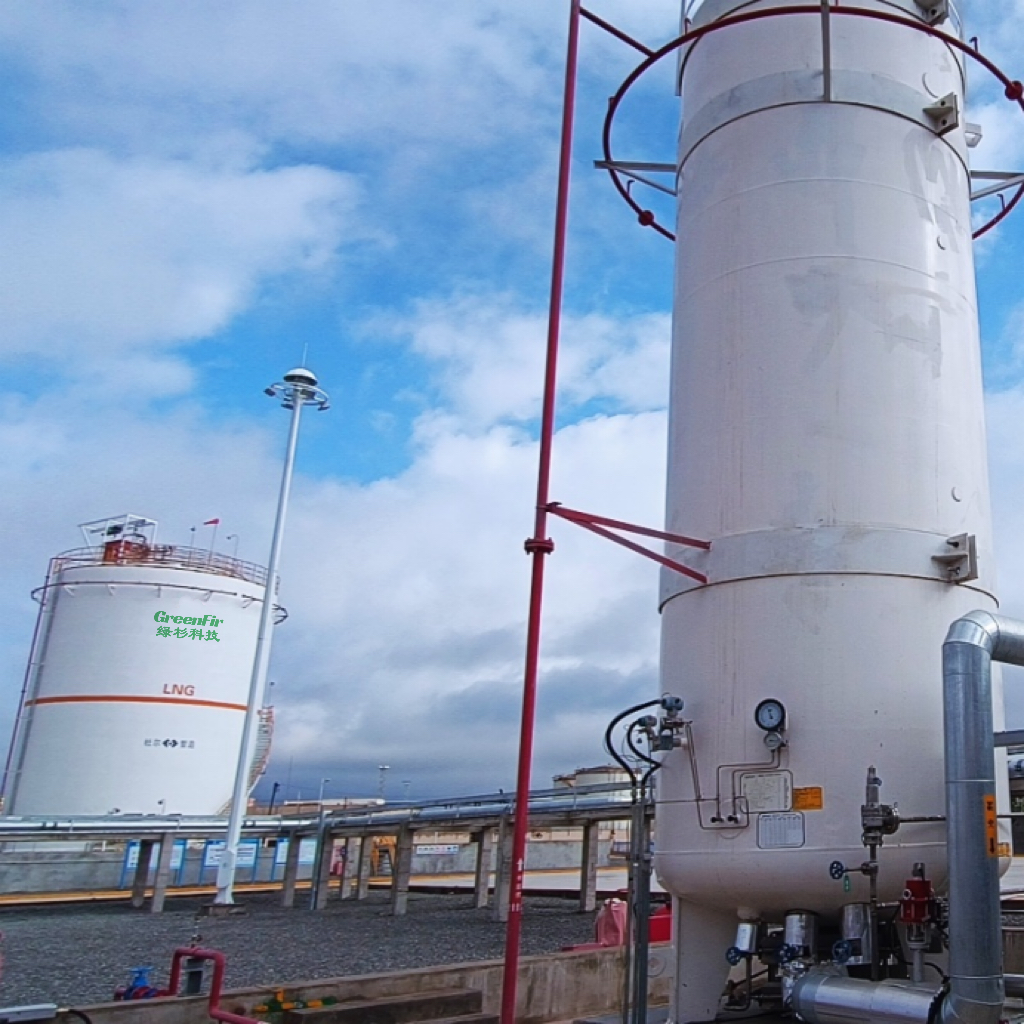
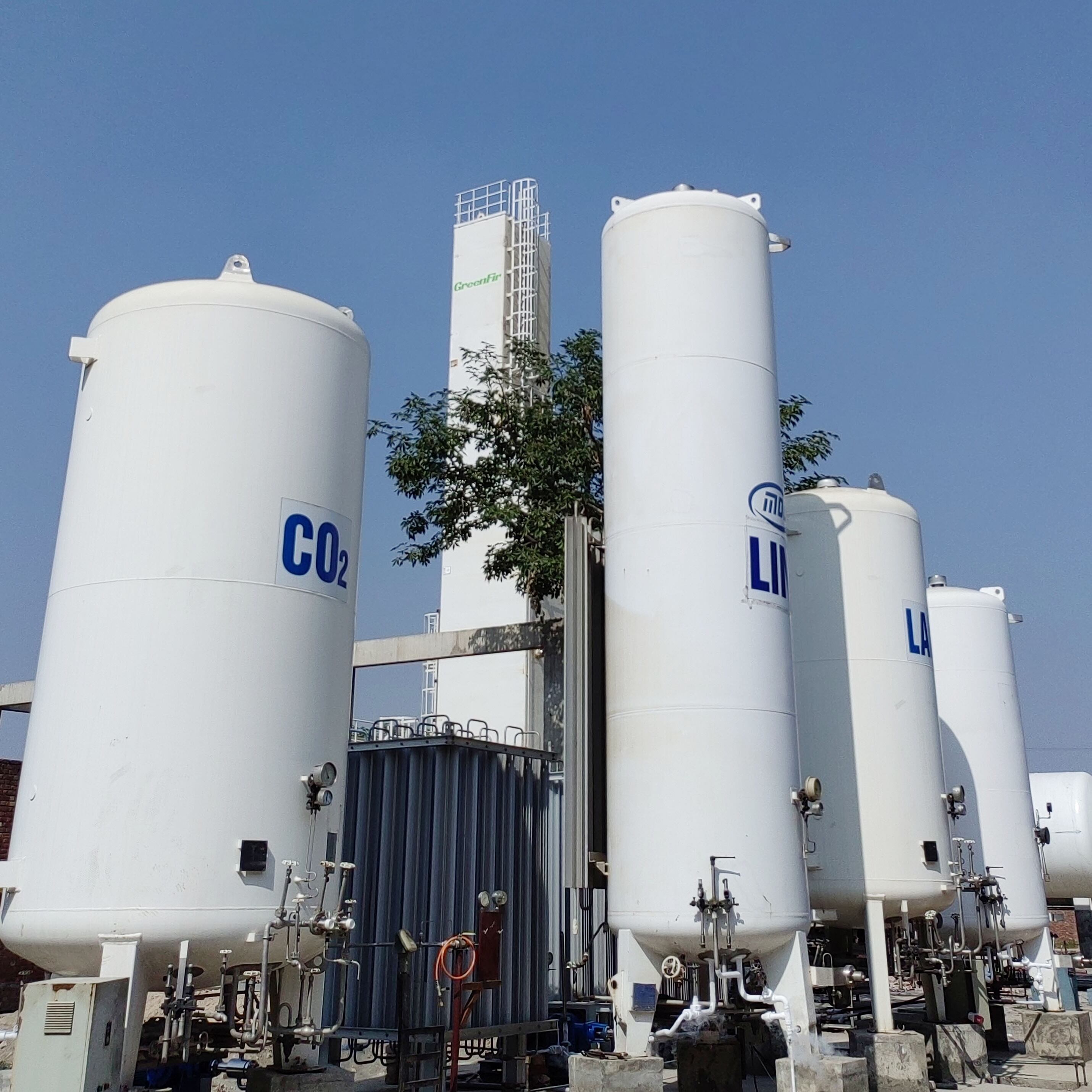
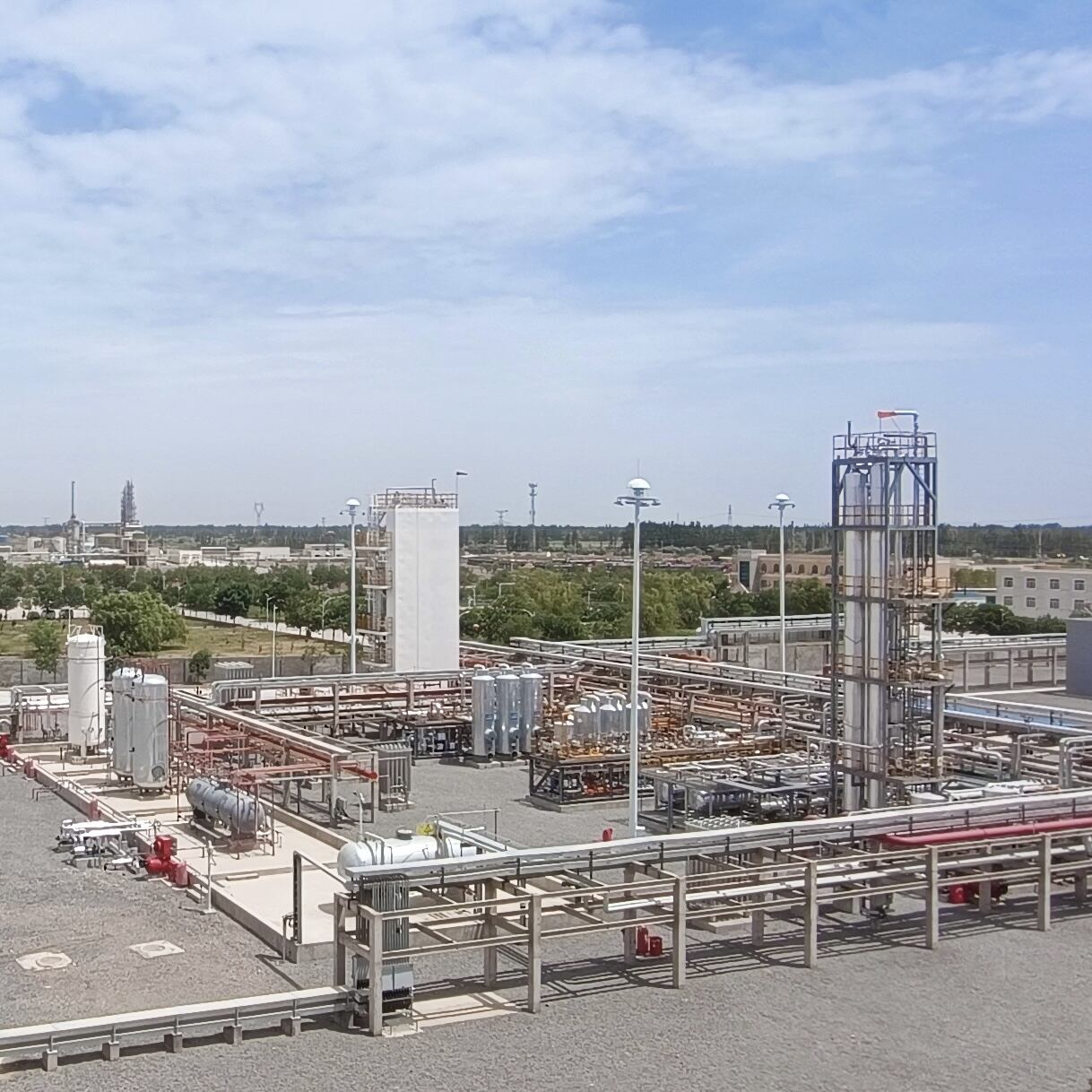
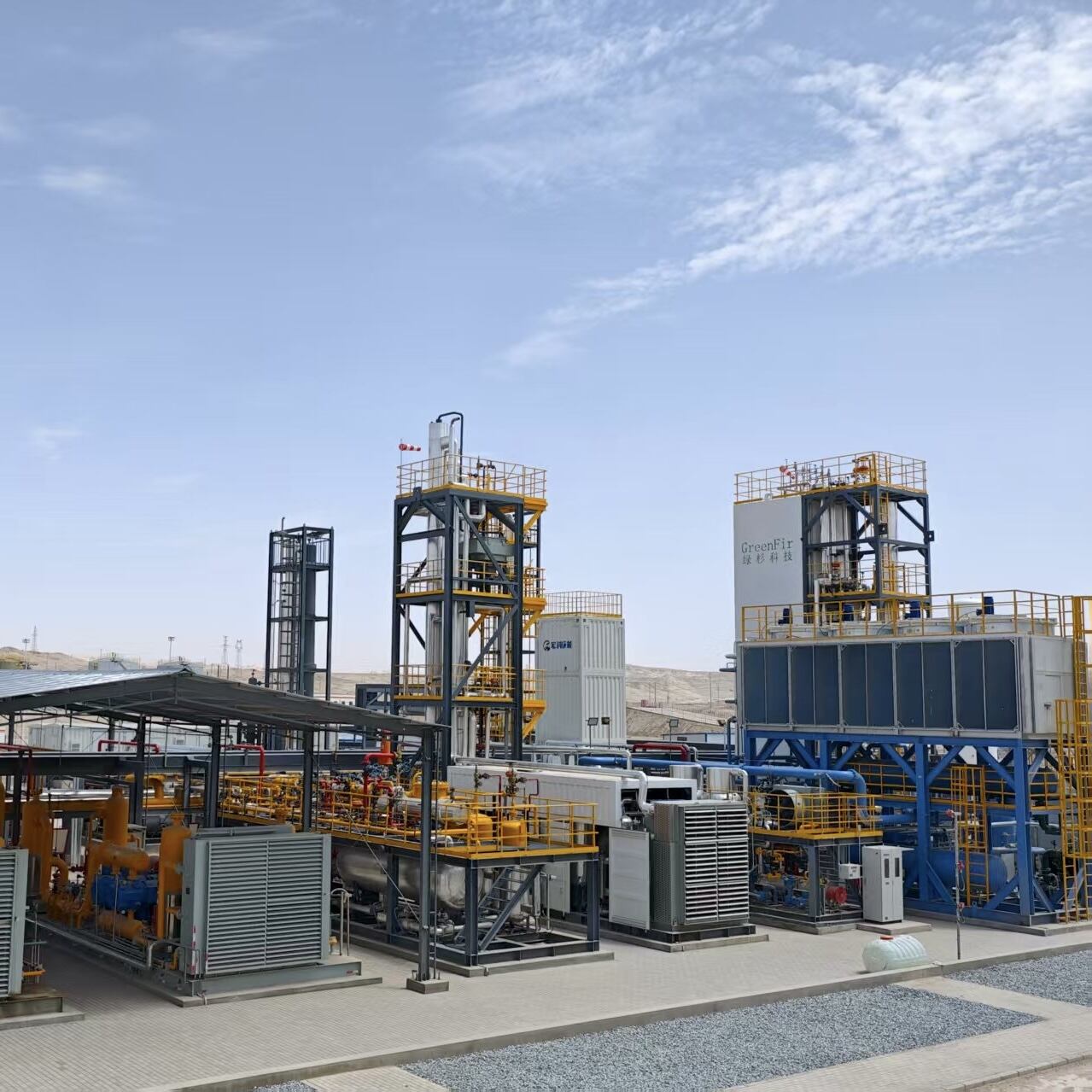
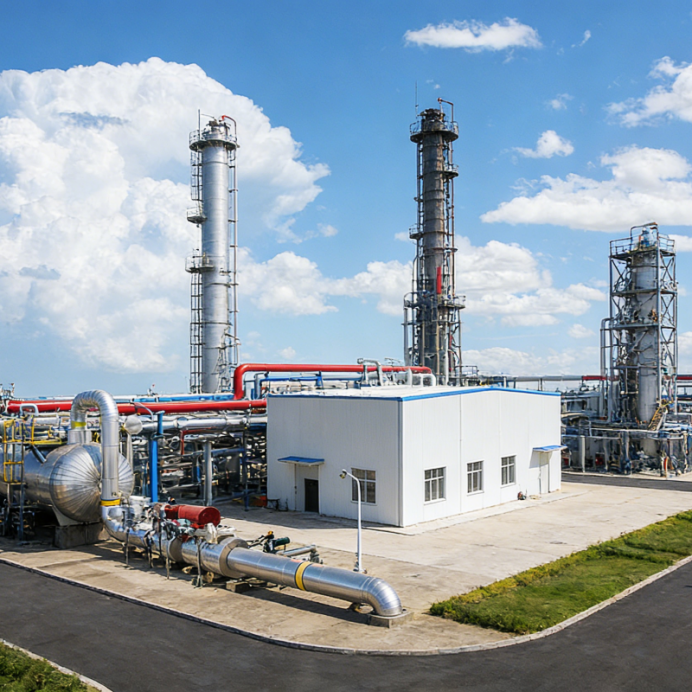
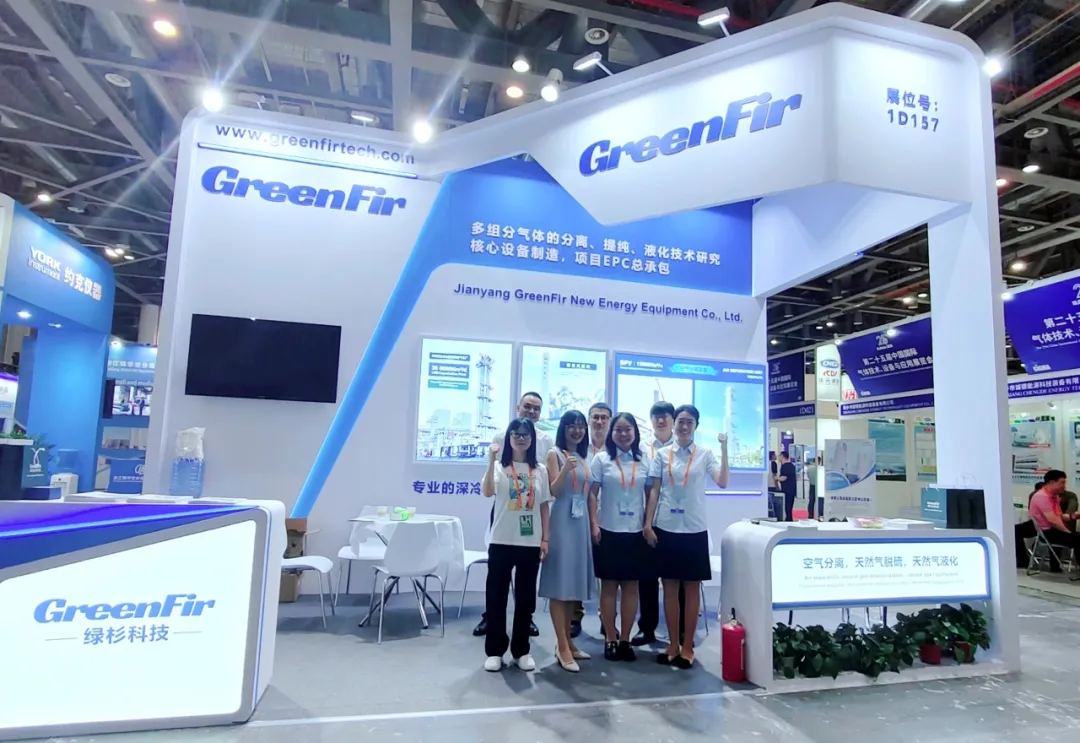
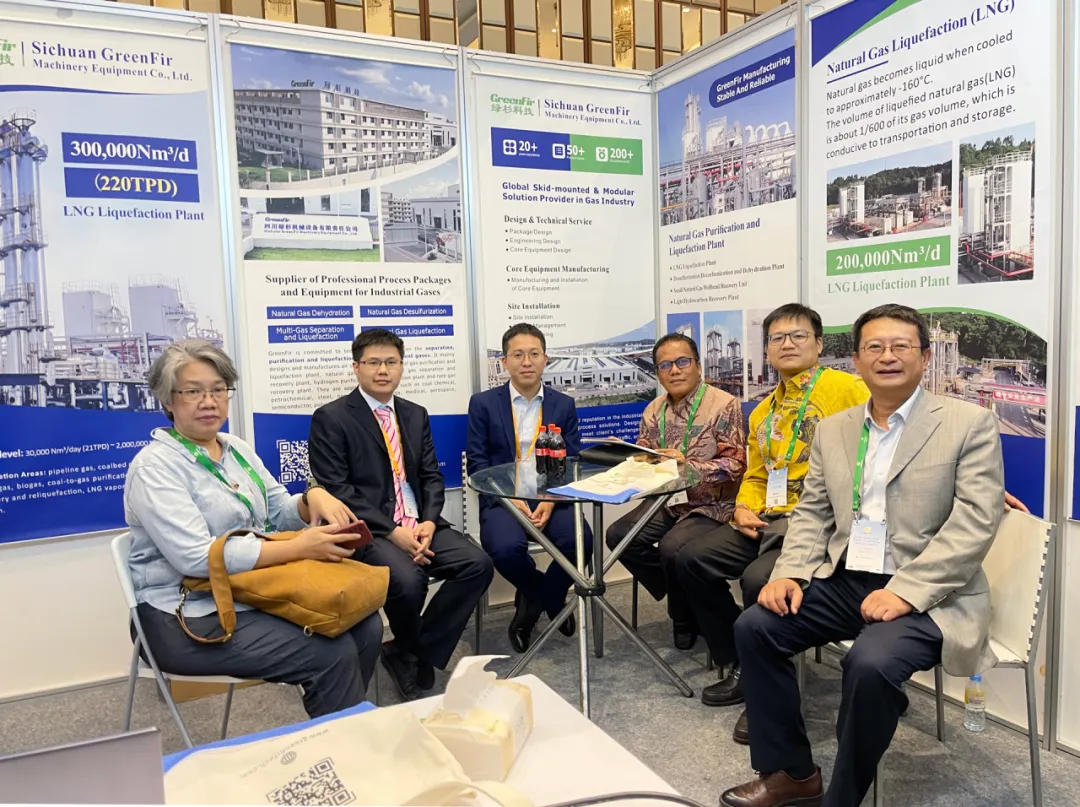
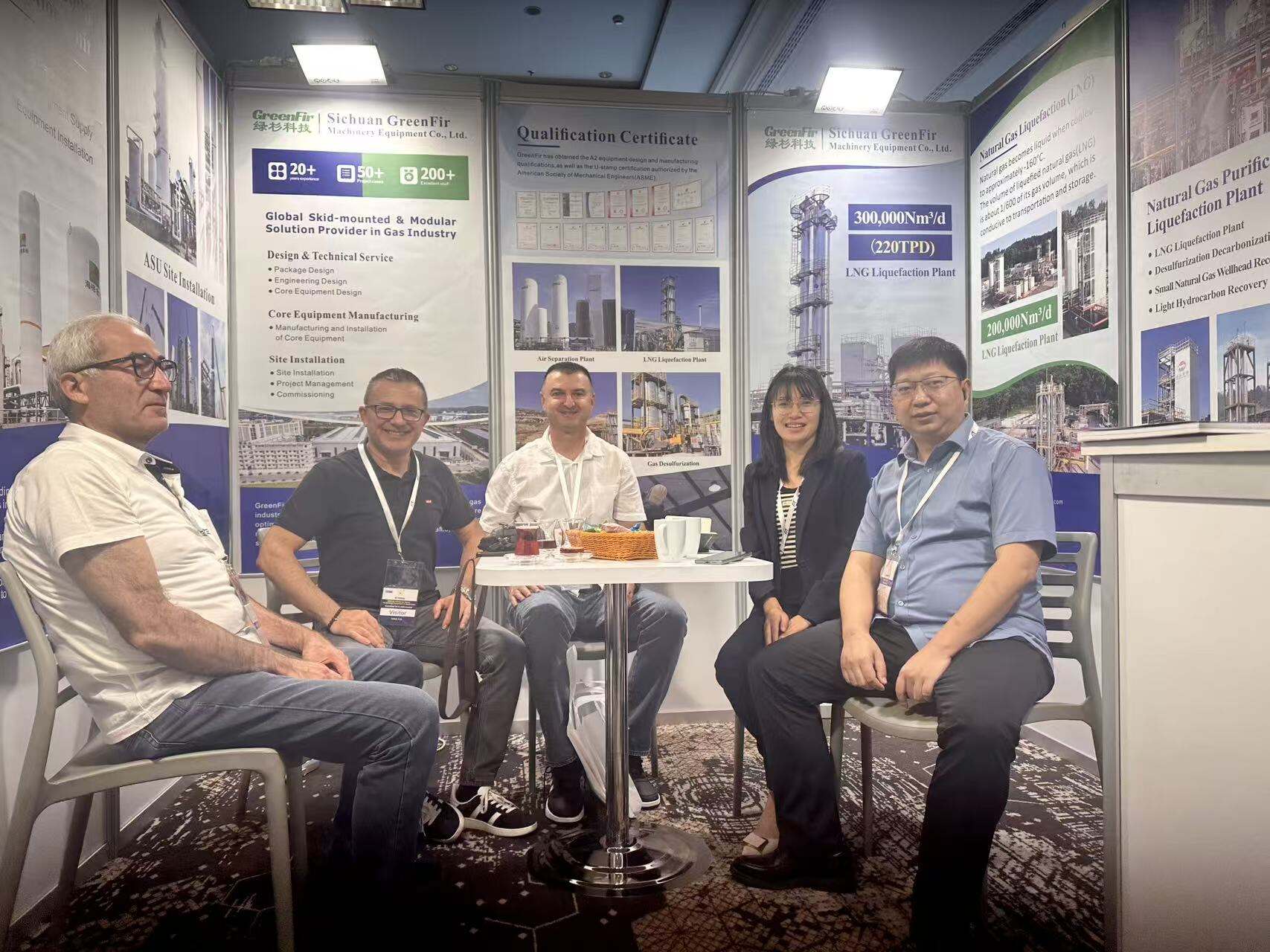
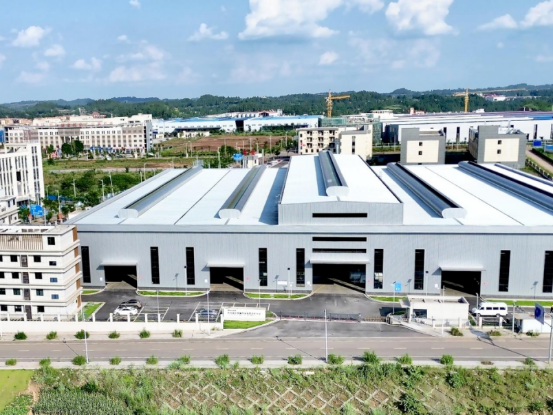
The LNG (Liquefied Natural Gas) plant process, which involves cooling natural gas to approximately -162°C to transport it safely and efficiently, is a critical link in the global energy supply chain. As the world pivots towards cleaner burning fuels to reduce carbon emissions, natural gas serves as an essential bridge fuel, and the infrastructure to liquefy it becomes paramount. For Jianyang Greenfir New Energy Equipment, the application prospects are robust, particularly in the development of small-to-mid-scale liquefaction plants. These facilities allow for the monetization of stranded gas reserves, reduce flaring at oil fields, and enable the transport of natural gas to remote markets not served by pipelines, democratizing access to clean energy.
Looking forward, the integration of the LNG plant process with power generation and transportation fuels presents a significant growth trajectory. The maritime industry's shift towards LNG as a marine fuel to comply with stricter emissions regulations (such as IMO 2020 and beyond) is driving demand for reliable liquefaction technology. Furthermore, the use of LNG for peak-shaving in power grids and as a fuel for heavy-duty trucking creates a need for efficient, modular plant designs. Jianyang Greenfir New Energy Equipment is uniquely positioned to serve these niche markets by providing process technology that prioritizes safety, energy efficiency, and rapid deployment, ensuring that end-users have access to reliable fuel supplies.
Finally, technological advancements in the LNG plant process are unlocking opportunities in the realm of renewable energy, specifically through bio-LNG. By applying liquefaction technology to upgraded biogas from agricultural or municipal waste, companies can produce a carbon-neutral fuel suitable for hard-to-electrify sectors like shipping and aviation. Jianyang Greenfir New Energy Equipment is at the forefront of this convergence, developing equipment that facilitates the purification and liquefaction of these green gas streams. By bridging the gap between traditional fossil fuel infrastructure and the circular bio-economy, the application prospects for advanced LNG plant processes are not only expanding but are also becoming integral to a sustainable energy ecosystem.