
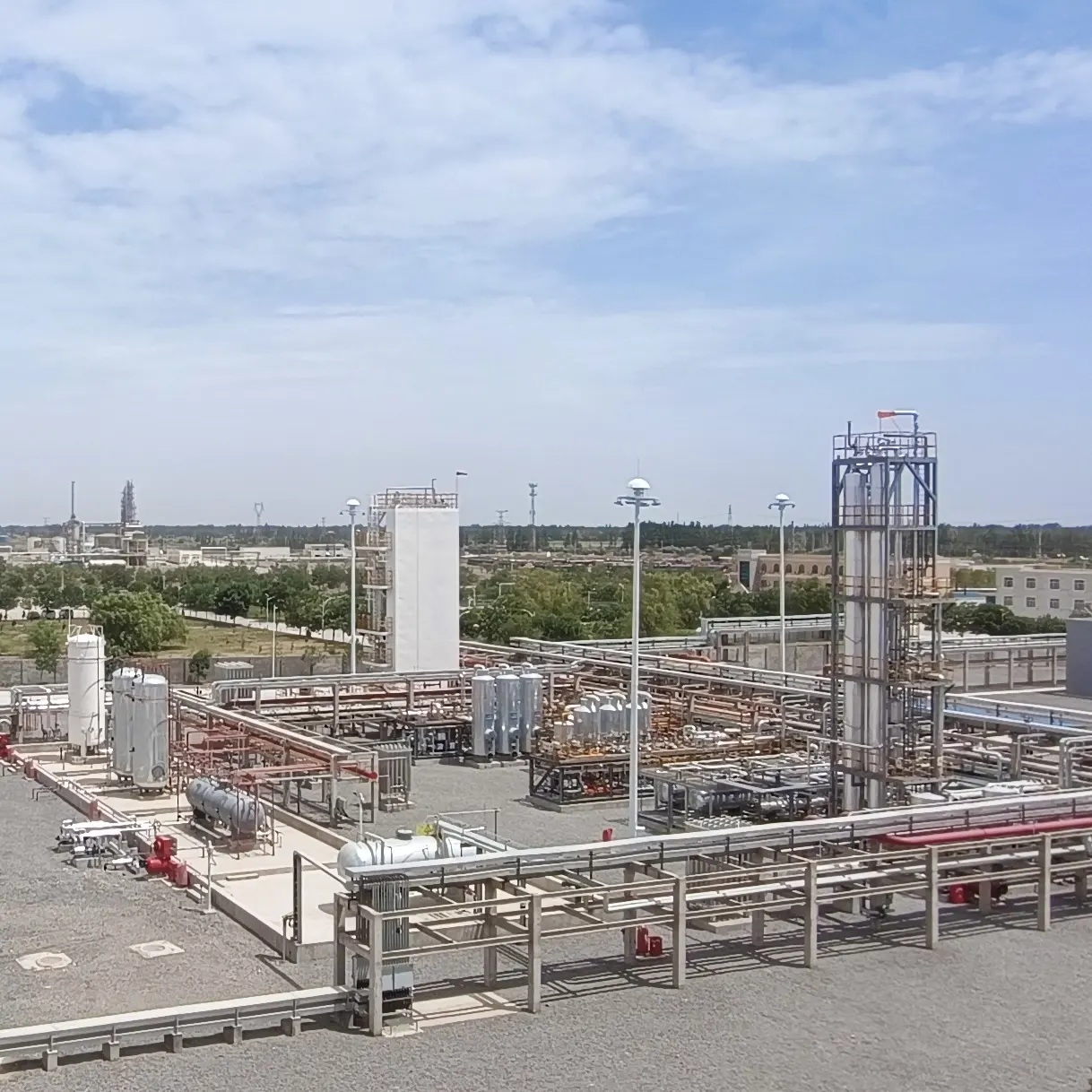
The Energy Cost Problem Nobody Talks About Gas processing plants are energy-intensive by nature. Compression, refrigeration, separation, and recompression consume significant power. In a typical LNG plant, the liquefaction process alone accounts for ...
VIEW MORE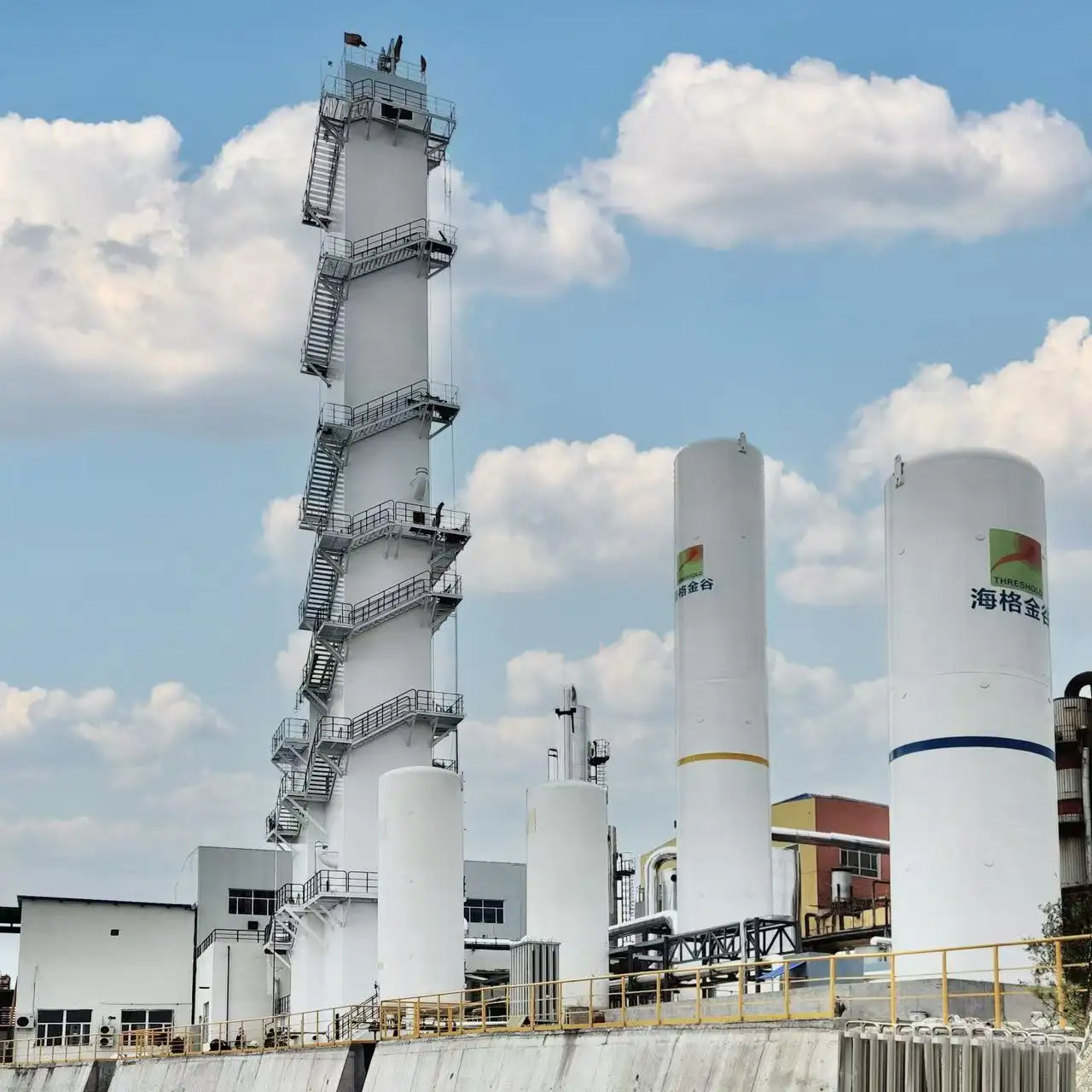
The Oxygen Advantage in Modern Steelmaking Blast furnace ironmaking hasn't changed fundamentally in centuries. Coke, iron ore, and flux go in the top; molten iron and slag come out the bottom; hot air blows in through the tuyeres. But the details hav...
VIEW MORE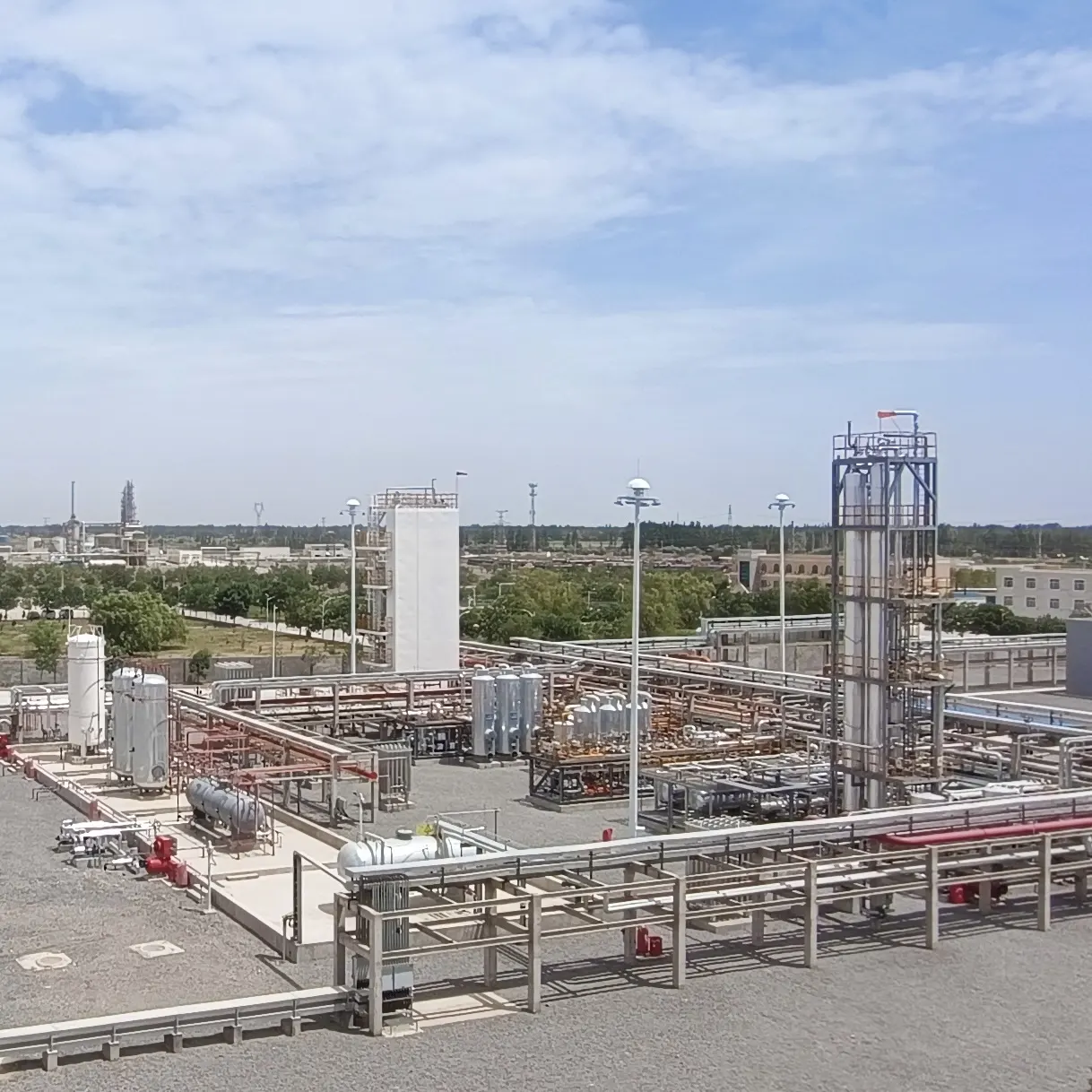
The Turnkey Question: Why Owners Are Shifting Away from Piecemeal Procurement Building a gas processing plant has traditionally meant managing a web of separate contracts—one for engineering, another for equipment supply, a third for constructi...
VIEW MORE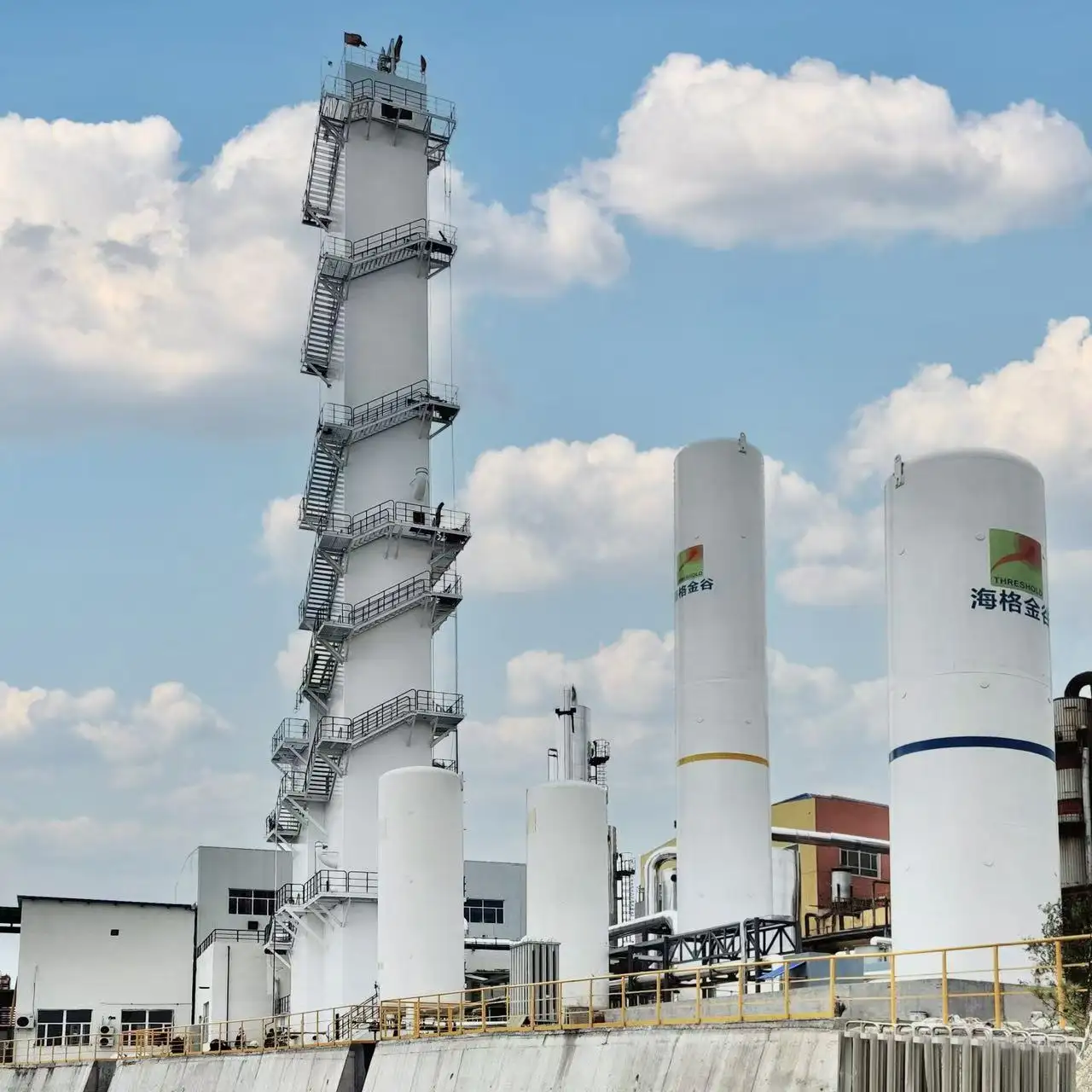
The Hidden Cost of Neglected Cryogenic Systems Cryogenic equipment operates at the far edge of what industrial materials can handle. Temperatures plunging to -196°C, thermal cycling that stresses every weld joint, and process streams carrying tra...
VIEW MORE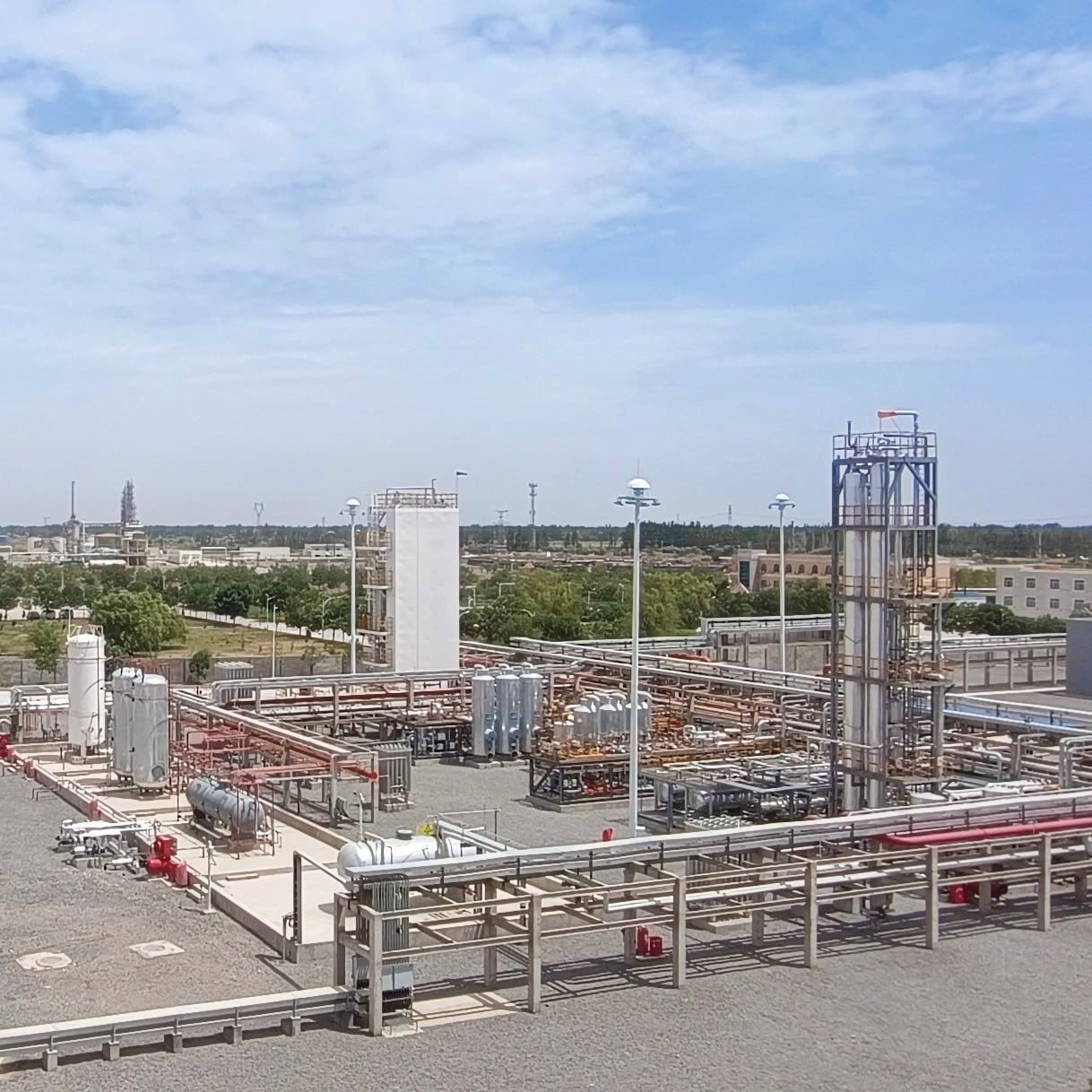
The Carbon Problem That Won't Go Away Natural gas has long been marketed as the cleanest fossil fuel. And on a combustion basis, that is technically true—it produces roughly 30% to 50% less CO₂ per unit of energy than coal or oil. But "cleaner"...
VIEW MORE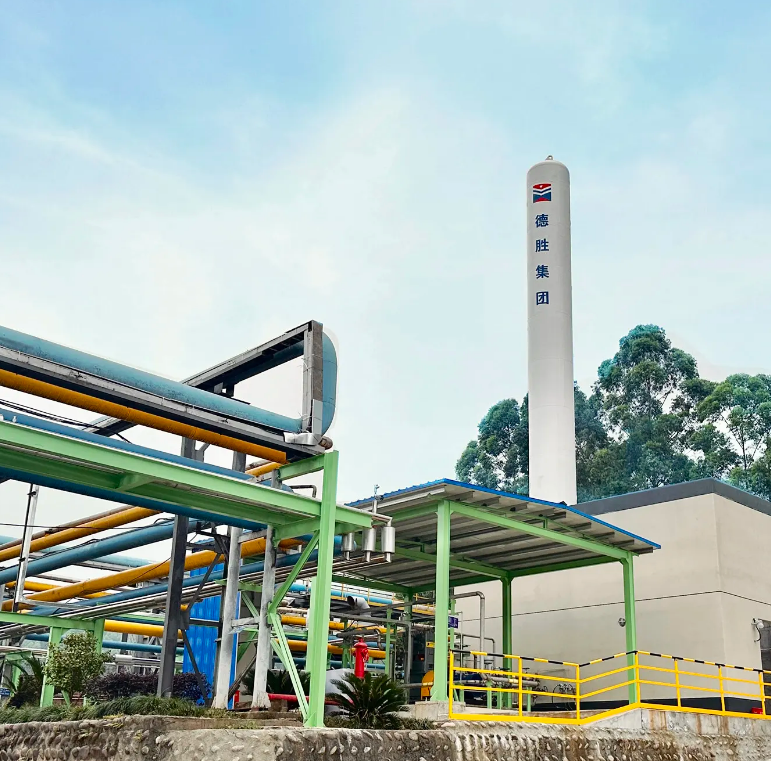
The Trace Elements That Command Premium Prices Krypton and xenon are not exactly household names. But in certain corners of industry, they command prices that make gold look almost pedestrian. The reason is simple: they are extraordinarily scarce in ...
VIEW MORE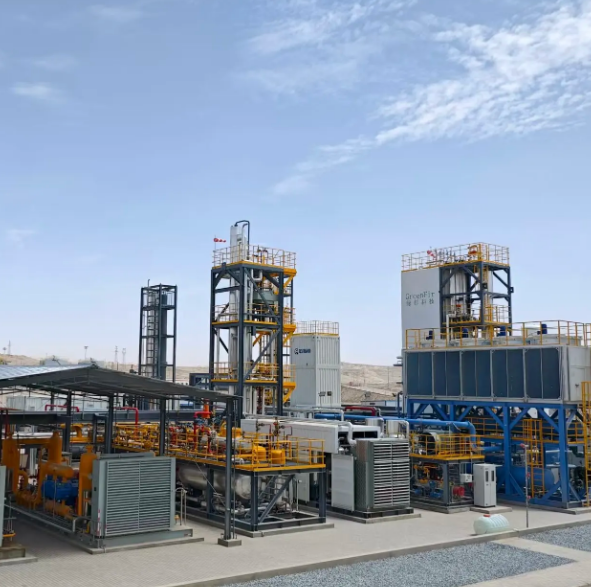
The Cold That Keeps Getting Wasted Liquefied natural gas arrives at import terminals at around -162°C. That is a tremendous amount of refrigeration capacity—cold energy that took significant compression work to create in the first place. Ye...
VIEW MORE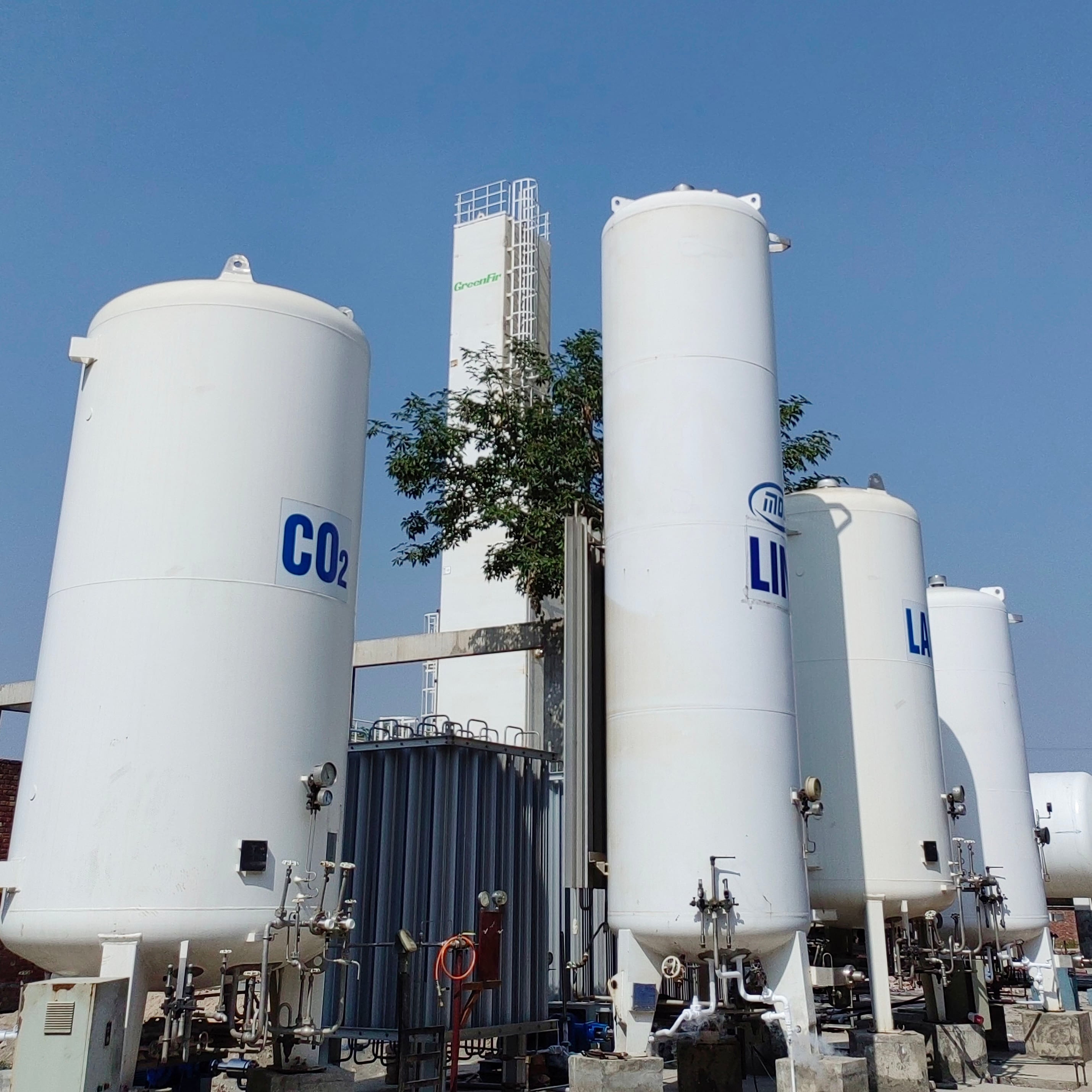
The Separation Challenge in Natural Gas Processing Removing nitrogen from natural gas sounds straightforward until you look at the numbers. Nitrogen and methane have molecular diameters that differ by less than 0.2 angstroms, and their boiling points...
VIEW MORE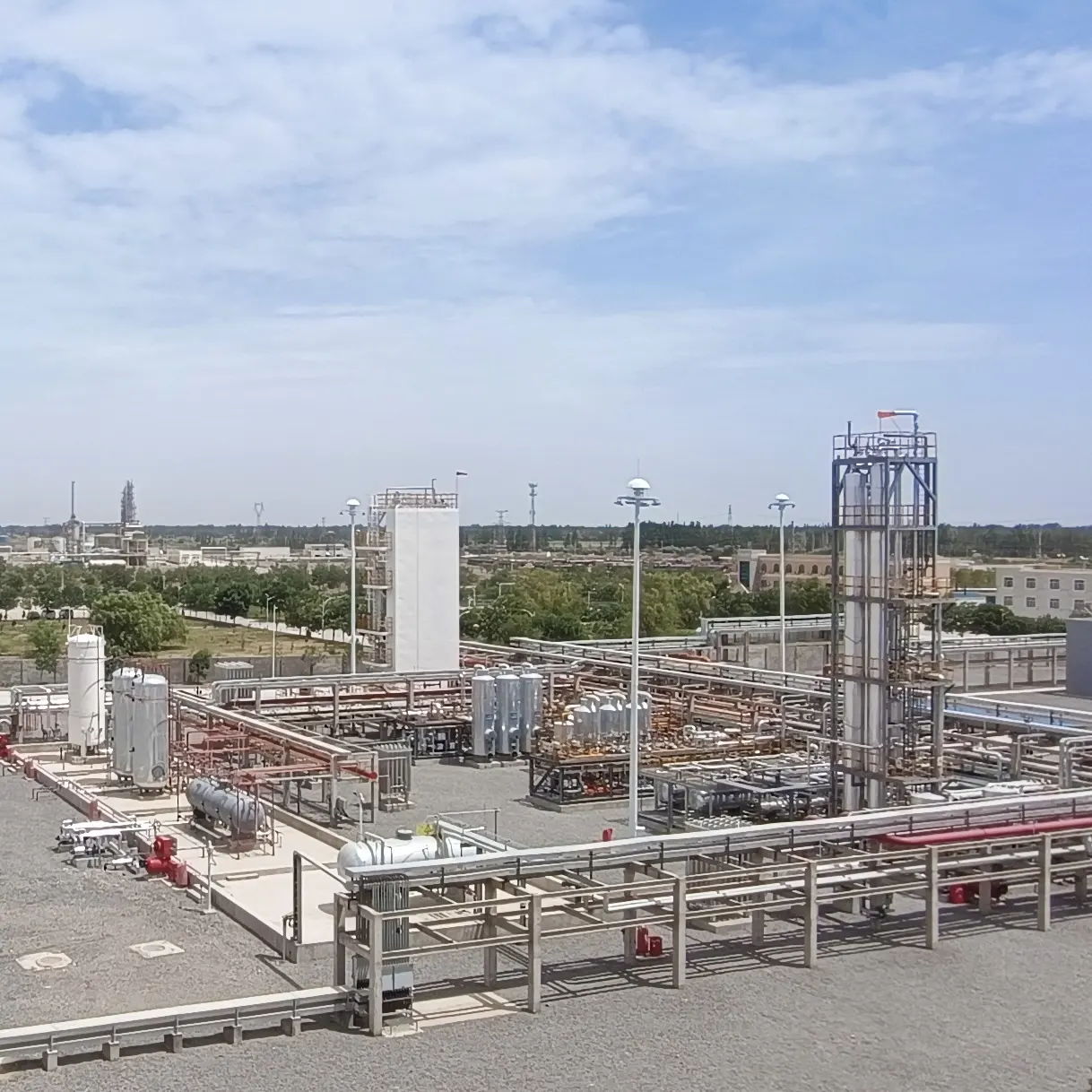
The Economics of Modularization in Gas Processing The shift toward modular gas processing solutions has accelerated significantly over the past decade, and for good reason. Traditional stick-built plants demand enormous upfront capital, extended cons...
VIEW MORE
Why Chemical Plants Can't Afford to Treat Gas Supply as a Commodity Chemical manufacturing runs on feedstocks, and for a significant portion of the industry, those feedstocks are gases. Hydrogen for hydrotreating. Nitrogen for inerting and blanketing...
VIEW MORE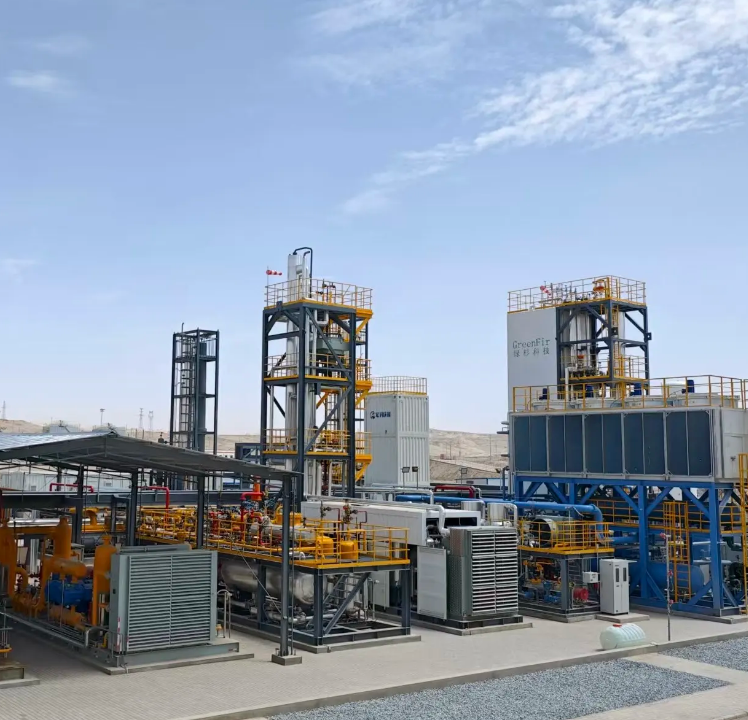
The Core Mechanism Behind LNG Liquefaction Liquefied natural gas production hinges on one fundamental operation: pulling heat out of methane until it becomes a liquid at roughly -162°C. The cryogenic expansion process is the engine that makes thi...
VIEW MORE
What Makes a Gas Plant EPC Contractor Different From Other Industrial Builders Gas processing and liquefaction facilities operate under a distinct set of constraints that separate them from standard industrial construction. The feedstocks are often s...
VIEW MORE EN
EN