Why Choose Us
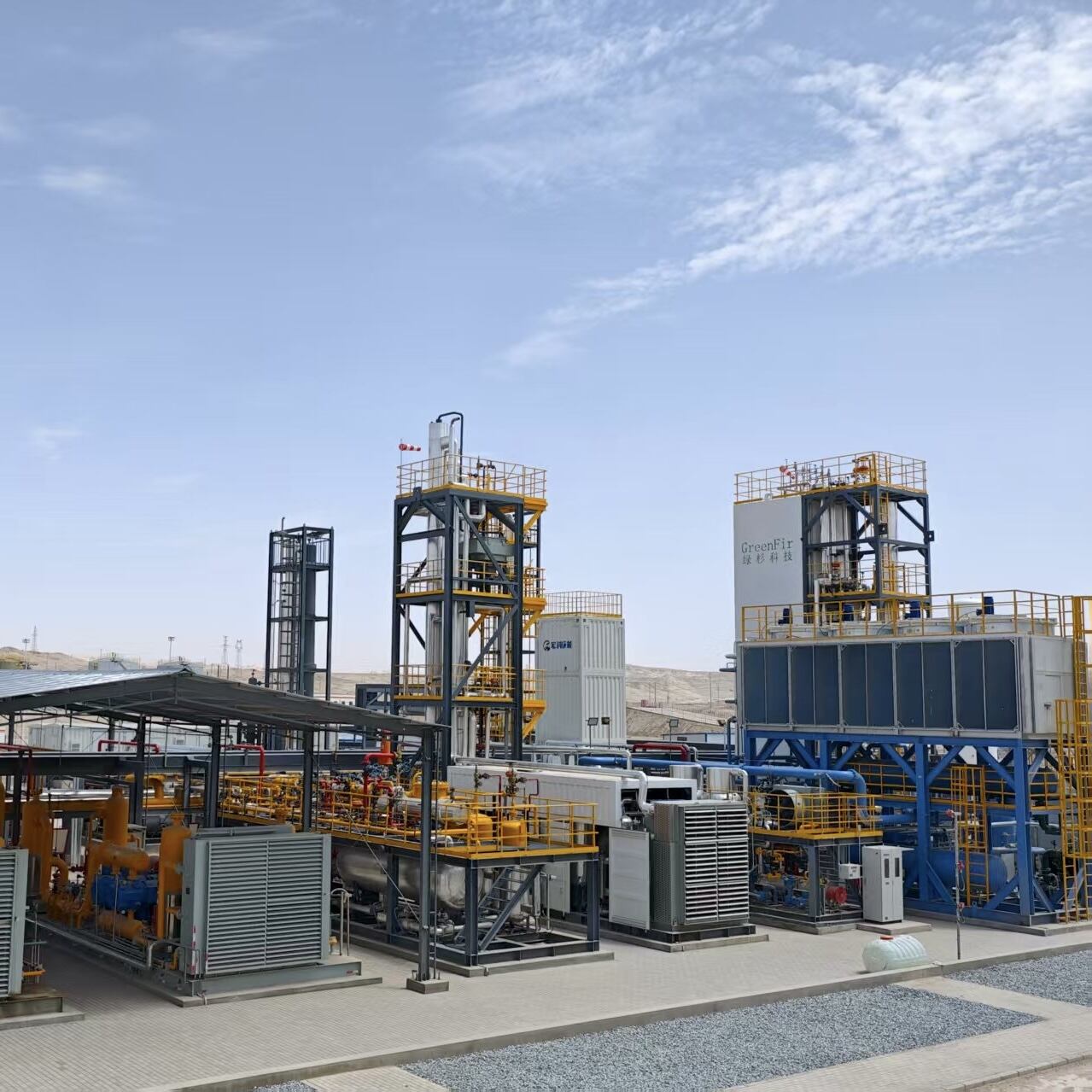
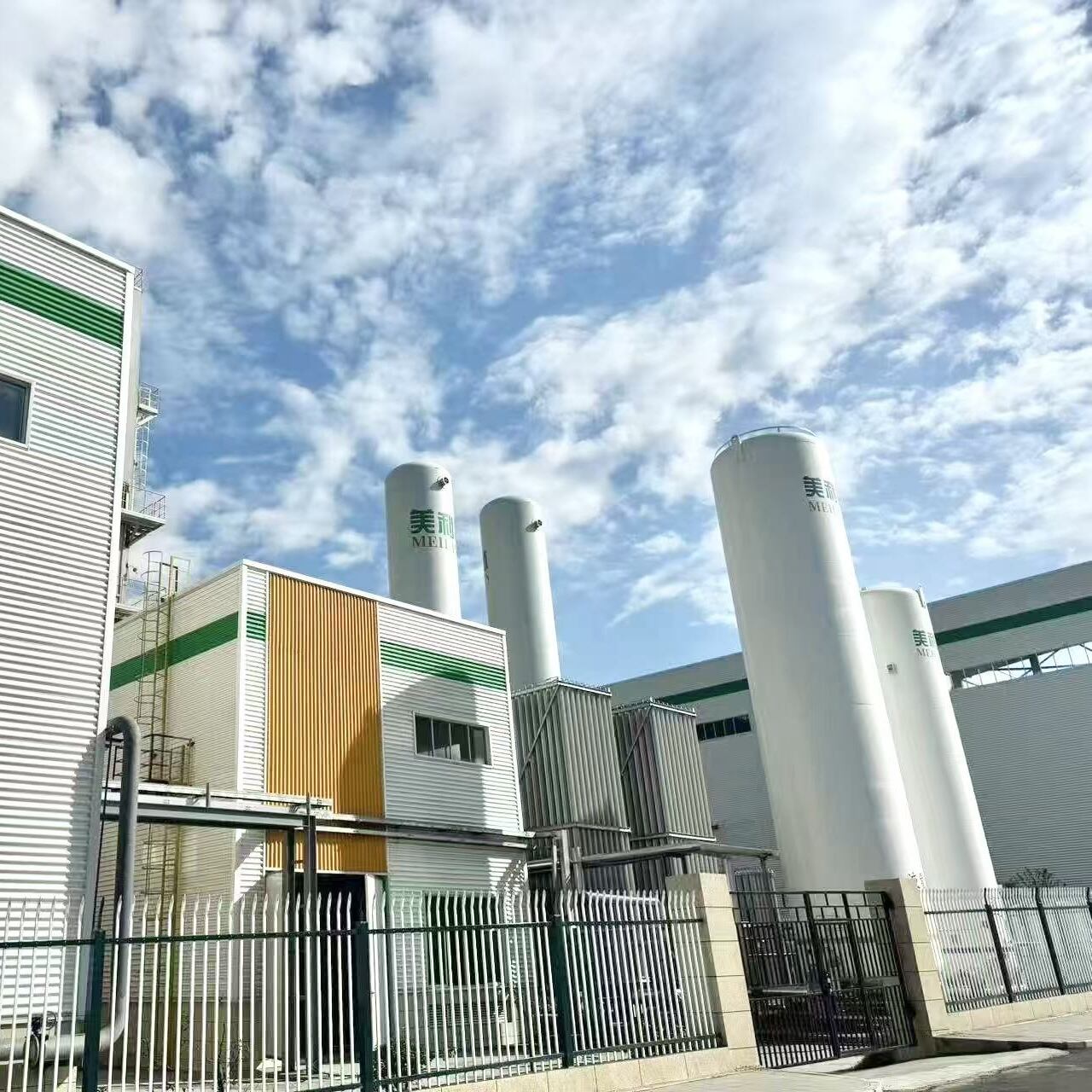
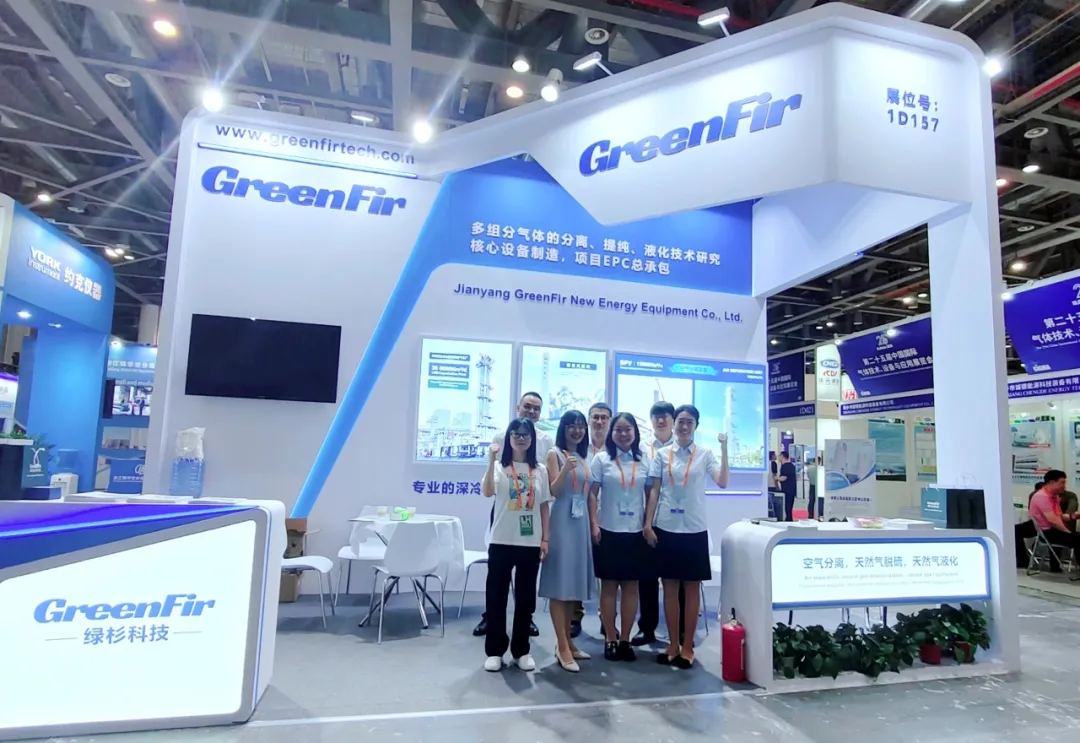
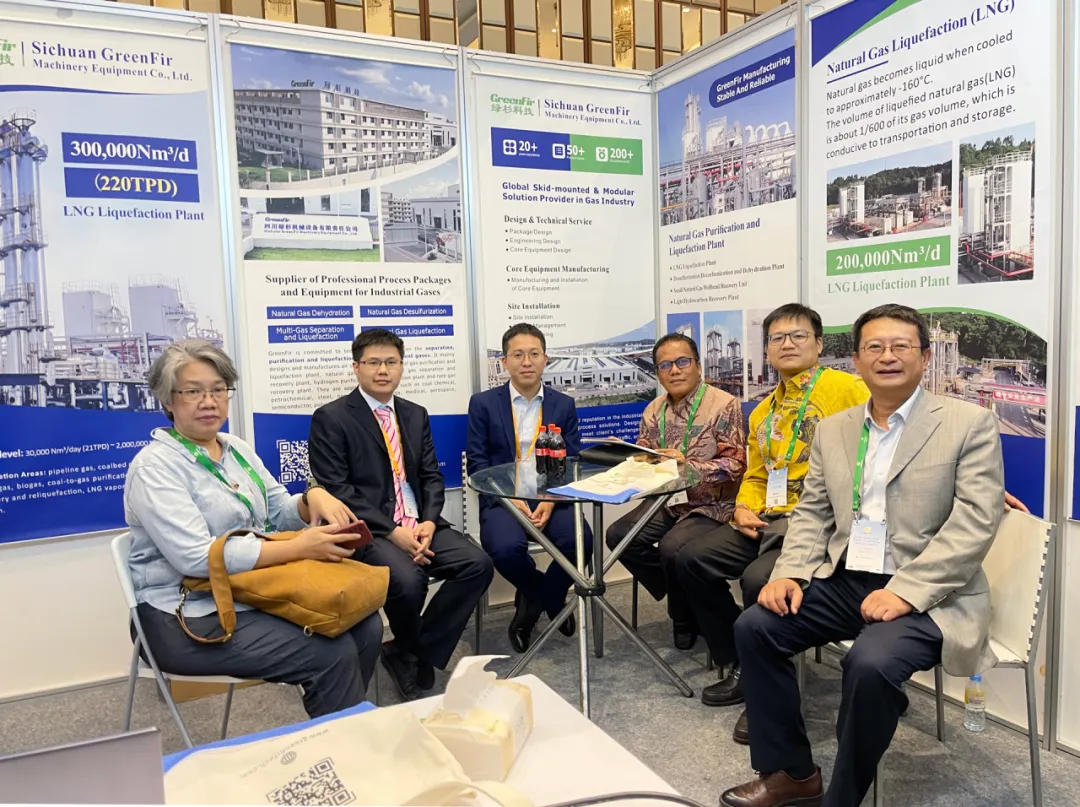
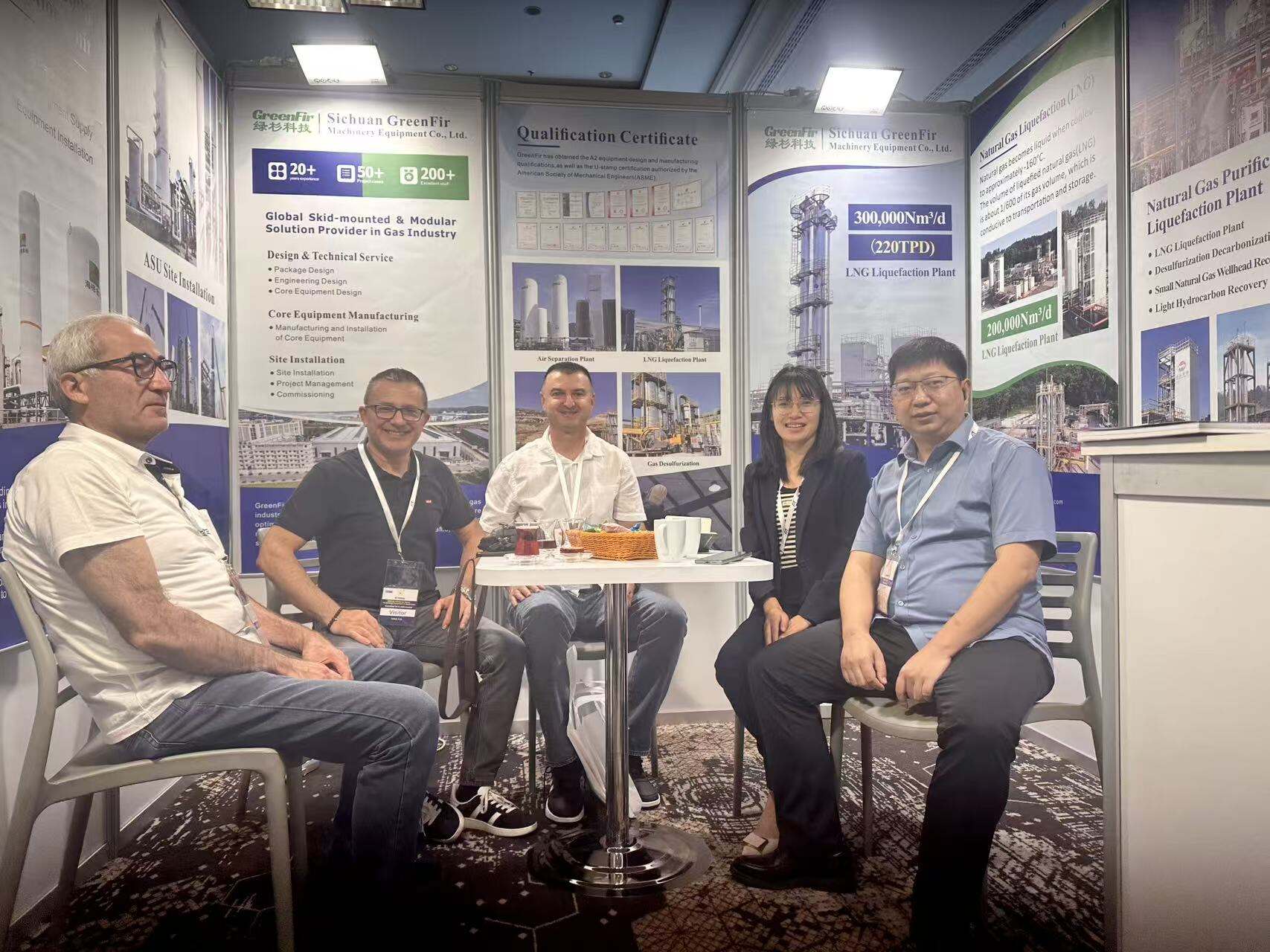
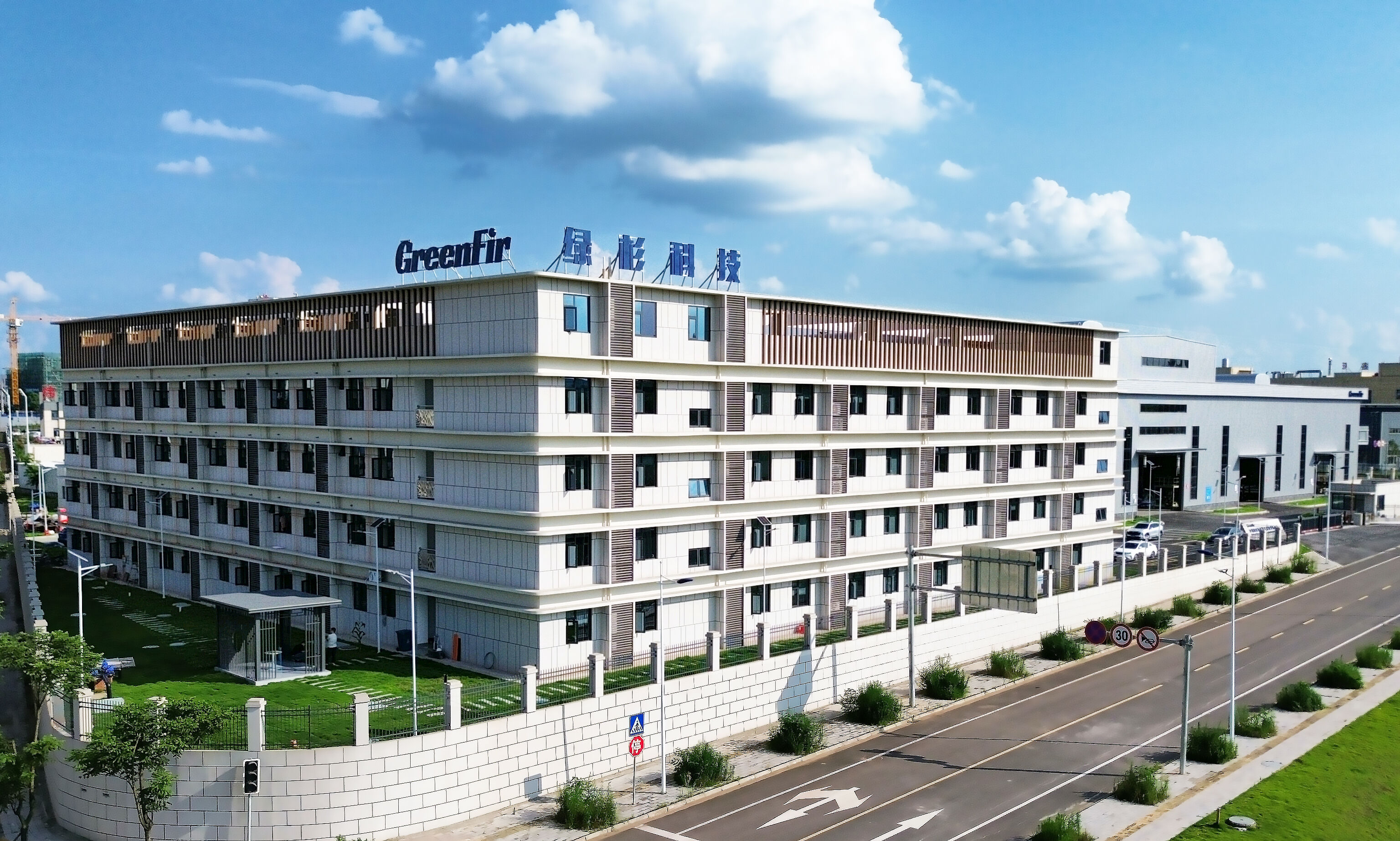
GreenFir is committed to tackling critical gas challenges in industrial sectors such as metal smelting, chemicals, electronics, and oil & gas extraction by providing customized, sustainable, and integrated gas solutions through innovative gas technologies. The company focuses on the research and development of multi-component gas separation, purification, and liquefaction technologies, as well as the design and manufacturing of core equipment. The company has obtained ASME, CE, EAC certificates. The company upholds the values of "Integrity, Constant Improvement, Passion, and Responsibility," providing partners with stable, safe, reliable, and energy-efficient technologies and products.
 EN
EN